

Denmark
Trip to Denmark: the complete travel guide for first-time visitors
Did you know Denmark is one of the oldest kingdoms in Europe, with a monarchy that dates back over 1,000 years? Across the country, you’ll come across a mix of historic castles, coastal towns and modern design that shows up in everyday life. Food has also developed quickly in recent years, with Copenhagen becoming known for restaurants that focus on local ingredients and seasonal dishes like smørrebrød, open sandwiches with toppings like herring, beef or egg. Cycling is part of daily routines here, with bike lanes built into most cities. And the best part is that everything is really easy to travel to since the distances are so short. This Denmark travel guide helps you decide where to go in Denmark and how to turn it into a trip that fits you.
5 reasons to visit Denmark
You can explore a small country where places like Copenhagen, Odense and Aarhus are only a few hours apart by train.
You’ll see a mix of history and modern design, with places like Christiansborg Palace and Rosenborg Castle showing different parts of Danish history.
Denmark has over 7,000 kilometres of coastline, with sandy beaches on the west coast and smaller harbour towns on the east.
You can try local food like smørrebrød, pastries and modern Nordic dishes in Copenhagen’s restaurants and bakeries.
It’s easy to get around and communicate, since most people speak English and public transport is simple to use.
The best places to visit in Denmark
Denmark is a great place to visit because it has a lot of interesting things to see and do. You can learn about the royal family, visit art galleries and go to the beach all in a short time. If you plan your trip well you can see a lot more than just the capital.
Trips to Copenhagen Denmark
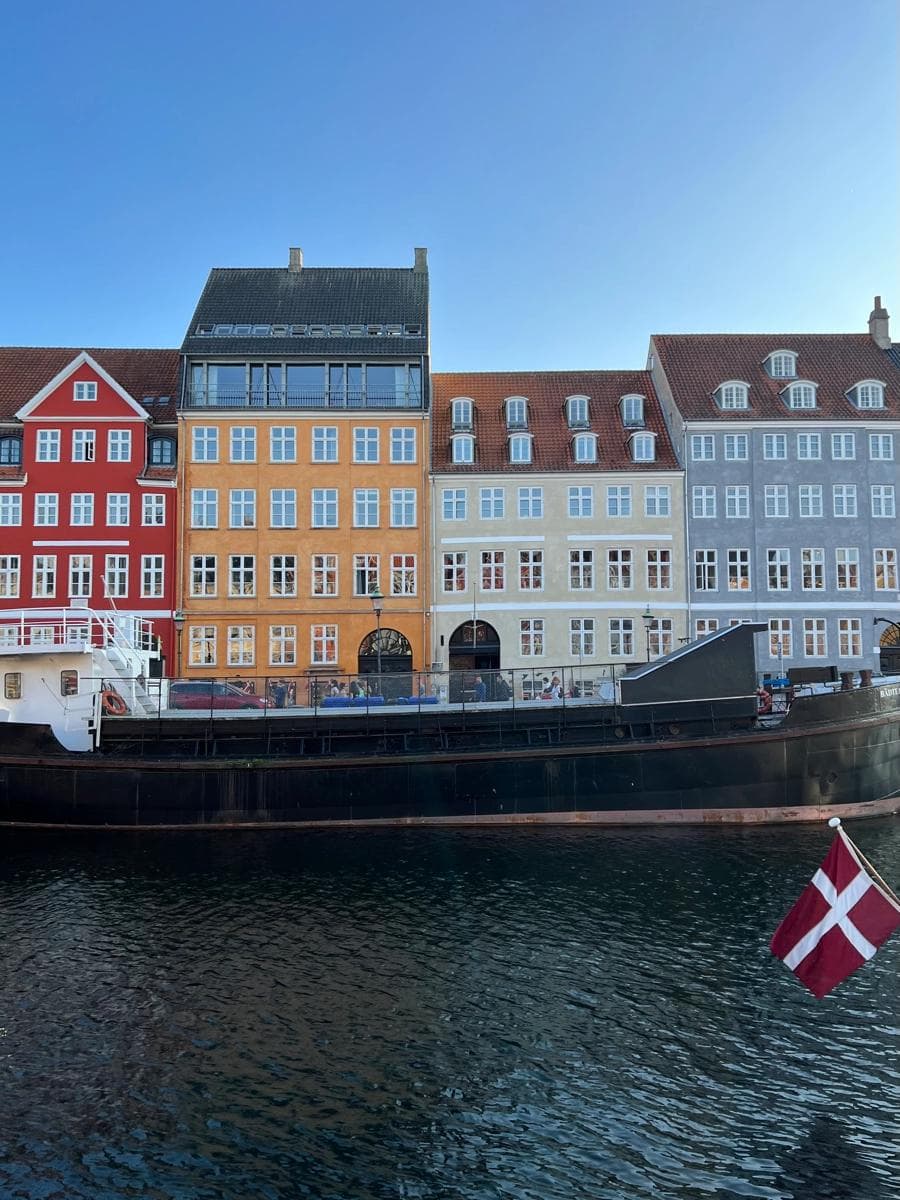
If you start in the middle of the city you can see the houses by the canal in Nyhavn. Then you can go to Christiansborg Palace, home to Parliament and royal reception rooms, then walk to Amalienborg Palace to see the royal guards change.

At night you can go to Tivoli Gardens, which's one of the oldest amusement parks in Europe. It opens in March. A lot of people like to stay in Copenhagen because you can walk or ride a bike to most of the sights.
Museums and Danish Heritage
The national museum of Denmark is really nice to visit because it tells you all about the Vikings, old trade and royal traditions. The exhibitions are easy to understand, also for kids. In Odense you can see where Hans Christian was born, the author of famous fairy tales like the Little Mermaid.
Visit Aarhus
Aarhus is Denmarks second biggest city and it has a lot of modern art and nice cafes by the harbour. It is a great place to stay after you visit Copenhagen. If you have kids they will love the LEGO House in Billund, where you can build all day. It is an hour drive from Aarhus.
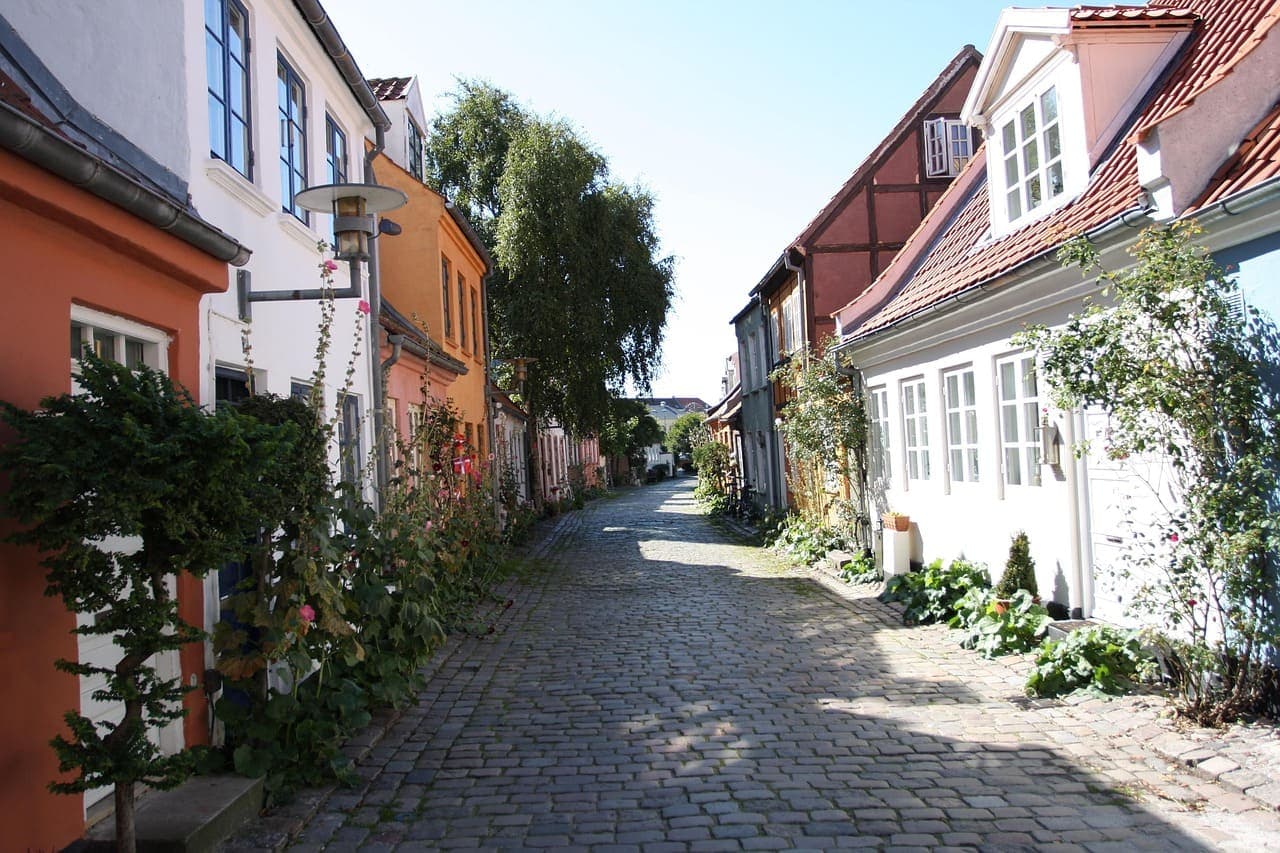
The North Sea and Baltic Sea
If you drive north to North Jutland you can visit beaches and wide open spaces. Where the North Sea and the Baltic Sea meet is a beautiful natural sight. You can also see sand dunes on the west coast and forests on the east coast all within a short time.

How many days do you need in Denmark?
Denmark is small. It has very different areas that you can visit within a few hours of travel. We’ve created some recommended itineraries for your trip.
3 day Denmark itinerary: Copenhagen and Roskilde
Day 1: Copenhagen, explore the city centre, canals and main landmarks, end the day at Tivoli Gardens
Day 2: Copenhagen, visit museums and take a boat tour through the harbour
Day 3: Travel to Roskilde, visit the Viking Ship Museum and cathedral, return to Copenhagen
5 to 7 day Denmark itinerary: Copenhagen to Aarhus via Funen
Day 1–2: Copenhagen, explore the capital and main highlights
Day 3: Travel to Odense, visit the town and learn about Hans Christian Andersen
Day 4–5: Aarhus, explore the city, visit museums and walk along the harbour
Day 6–7: Jutland region, explore lakes and surrounding areas, then return east
7 to 10 day Denmark itinerary: the Denmark loop
Day 1–2: Copenhagen, explore the city and nearby areas
Day 3: Travel to Helsingør, visit Kronborg Castle and explore North Zealand
Day 4–5: Travel west to Funen and Aarhus, explore both areas
Day 6–7: North Jutland, visit coastal areas and Skagen where the seas meet
Day 8: Travel south along the west coast to Billund, visit LEGO House
Day 9–10: Return east to Copenhagen
Looking for more inspiration? Explore these trips:

What to do in Denmark
Now that you know what places to visit in Denmark, this is where your trip really starts to come together. Because yes, the places matter, but what you actually do there is what you’ll remember most. So let’s take a look at some fun things to do in Denmark.
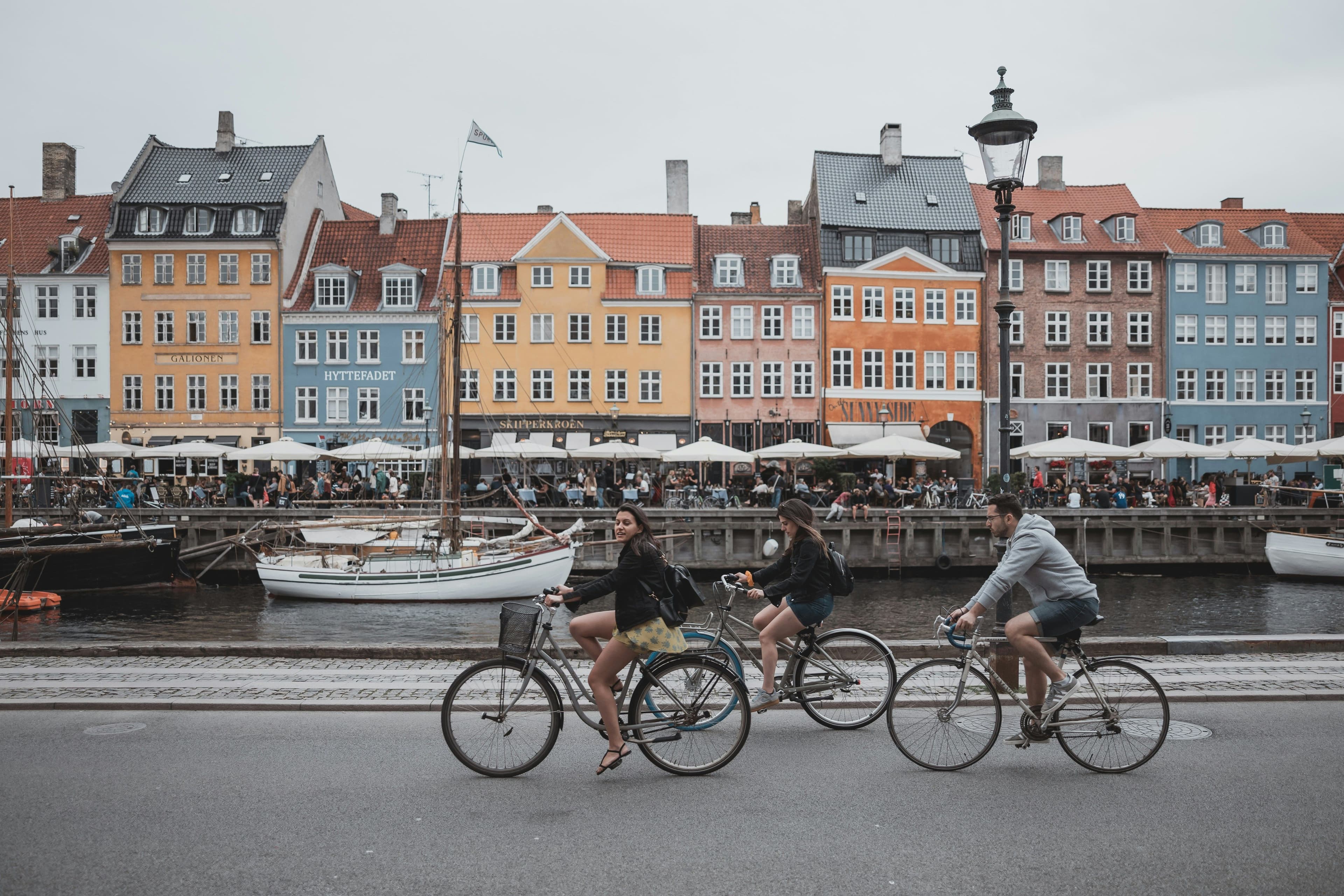
Cycle through Copenhagen like locals do every day
In Copenhagen, bikes are part of daily life and the city is built around it. You can rent a bike and move between places like Nyhavn, the city centre and parks without using public transport. Dedicated bike lanes and traffic lights make it easy to follow. Along the way, you’ll pass cafés, canals and neighbourhoods that you might miss otherwise. It’s one of the easiest ways to see more of the city in less time.
Walk through Kronborg Castle in Helsingør
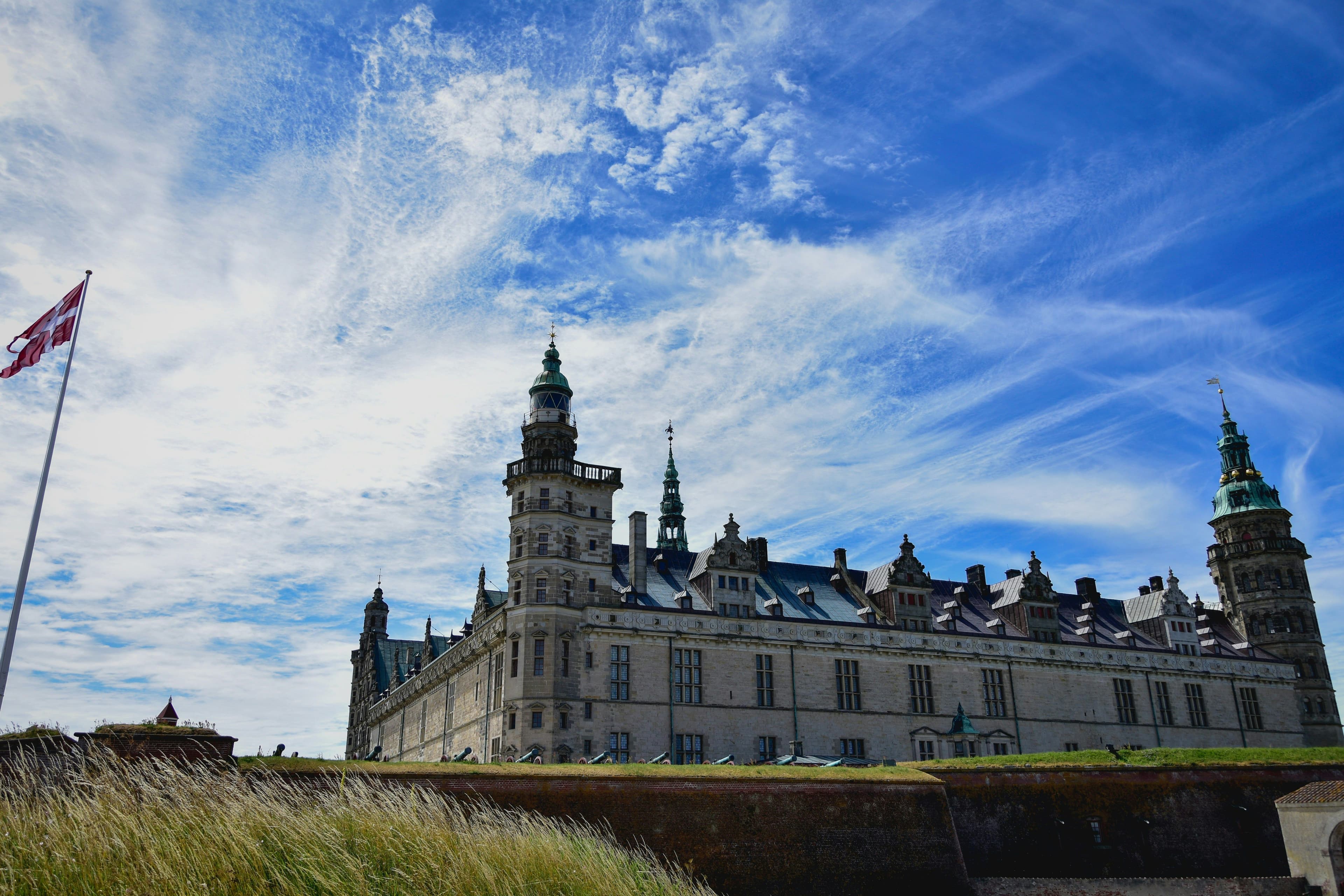
Up north from Copenhagen, Kronborg Castle is known as the setting for Shakespeare’s Hamlet. You can walk through large halls, underground passages and courtyards that date back to the 16th century. From the castle walls, you’ll see the narrow stretch of water between Denmark and Sweden. Trains from Copenhagen only take around 45 minutes, which makes it an easy day trip.
Walk along the beaches and dunes on the west coast
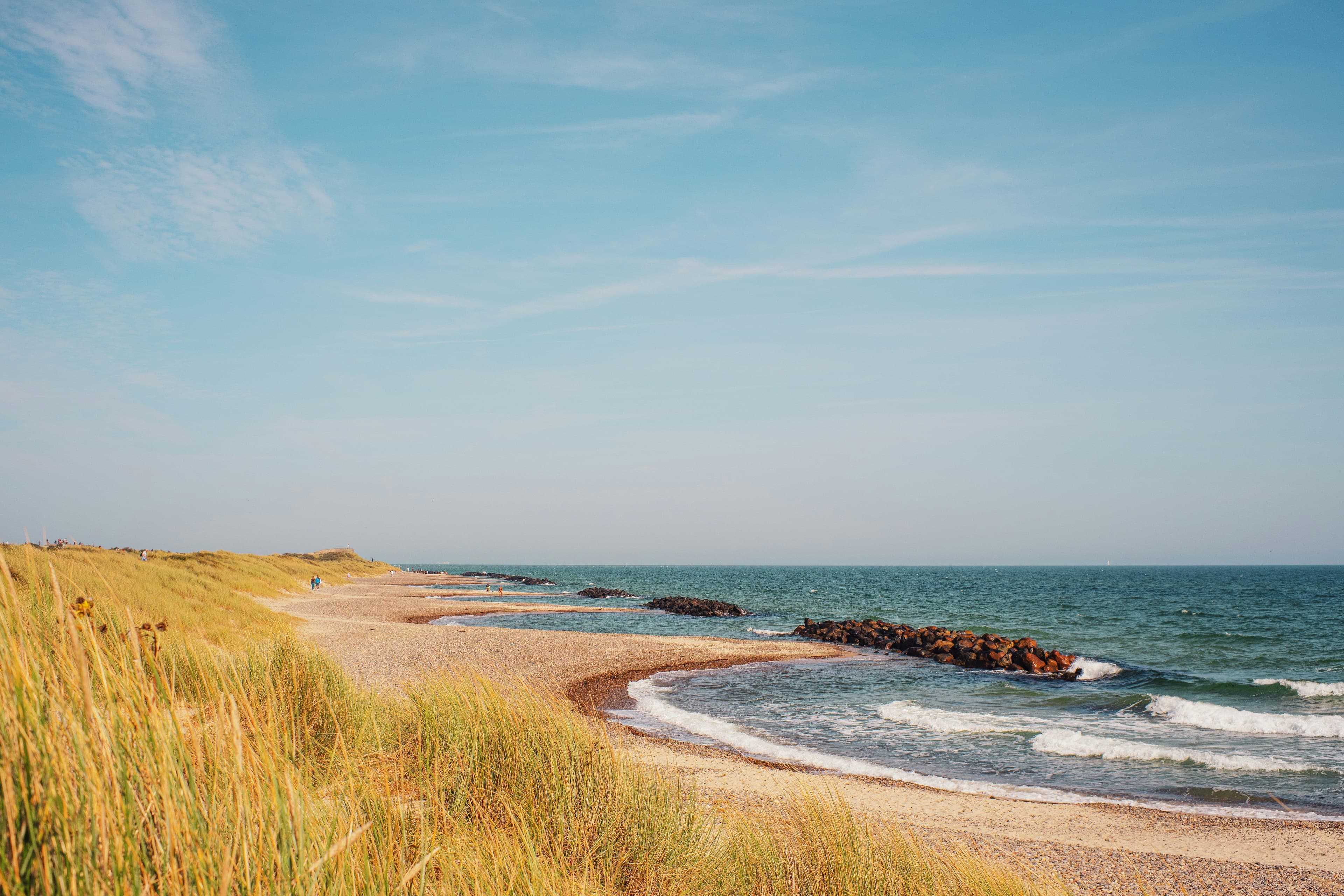
On the west coast of Denmark, beaches stretch out for kilometres along the North Sea. Places like Skagen or areas further south give you wide open space with sand and dunes. Walking here feels very different from the cities, with fewer buildings and more nature. In Skagen, you can also stand where two seas meet. It’s a good way to see another side of the country.
Want to know more fun activities? Read our blog about fun things to do in Denmark to find out what suits you!

Did you know you can create your own itinerary?
Now that you know the best things to see and do in the Netherlands, you can start creating your own trip. Do you want more time in museums and historic streets, or are you thinking about cycling, nature and being outside? It’s all up to you. You can easily create your own trip in the Guided app for free, or use trips shared by others.
Best Time to Visit Denmark
The weather really affects your experience here. So when you visit depends on how daylight you want, what temperature you like and what you want to see.
Summer: Long days and outdoor fun
From June to August the sun can stay out till 10 pm. It's usually between 18 and 23 degrees Celsius, which's great for walking tours and swimming at the harbour. The beach towns on the west coast get really lively in July.
If you want to save money on hotels and get into restaurants easily try to avoid booking during the school holidays in July.
Autumn: nice and affordable
In April, May, September and early October the air is cooler. The accommodation prices are lower. You can see the sights without having to wait in long lines. The autumn colours in the forests and by the lakes in Jutland are really beautiful.
Winter: cozy and Christmas markets

In December the capital gets cozy lights and Christmas markets. Tivoli Gardens, the amusement park gets all lit up with wooden stalls selling hot wine. It can be quite chilly, between zero and five degrees Celsius, so don't forget to pack your winter coat.
Food and drinks to try when travelling to Denmark
Food in Denmark might seem quite simple, yet once you’re there, you’ll notice how much attention goes into ingredients and presentation. And local traditions still show up in everyday meals, especially during lunch. If you want to try something typical, these are a few things to look out for:
Try smørrebrød with herring, egg or roast beef in Copenhagen
Smørrebrød is one of the most well-known Danish dishes, made with rye bread and layered toppings. You’ll see versions with pickled herring, egg and shrimp or roast beef with crispy onions. In Copenhagen, places like Restaurant Schønnemann or Aamanns are known for serving traditional combinations. Lunch is the best time to try it, since it’s rarely eaten in the evening.

Eat Danish pastries like cinnamon buns and cardamom swirls from local bakeries
Bakeries are everywhere in Denmark, and pastries are part of daily routines. You’ll find cinnamon buns, cardamom swirls and other sweet pastries freshly baked throughout the day. In Copenhagen, bakeries like Juno or Hart Bageri are popular spots. Also check out our guide about the best bakeries in Copenhagen.

Try Danish hot dogs from street stands across the country
Hot dog stands are common in Danish cities and towns. The sausages are usually served with toppings like pickles, crispy onions and sauces. You’ll often see locals grabbing one as a quick meal during the day.

Drink local beer in bars
Beer is part of everyday life in Denmark, with both large brands and smaller breweries across the country. In cities, bars often have a mix of local beers on tap. During warmer months, people sit outside with a drink in parks or near the water.

Culture in Denmark: history, design and everyday life
Around the 10th century, Denmark was ruled by Viking kings who controlled parts of Northern Europe. Trade, seafaring and exploration shaped early Danish society, and you can still visit Viking ship remains and museums that show how people lived during that time. By the 16th and 17th centuries, Denmark had developed into a kingdom with strong royal influence, which you’ll still see in places like castles and palaces across the country. In Copenhagen, buildings like Christiansborg Palace are still used today for political and royal events.
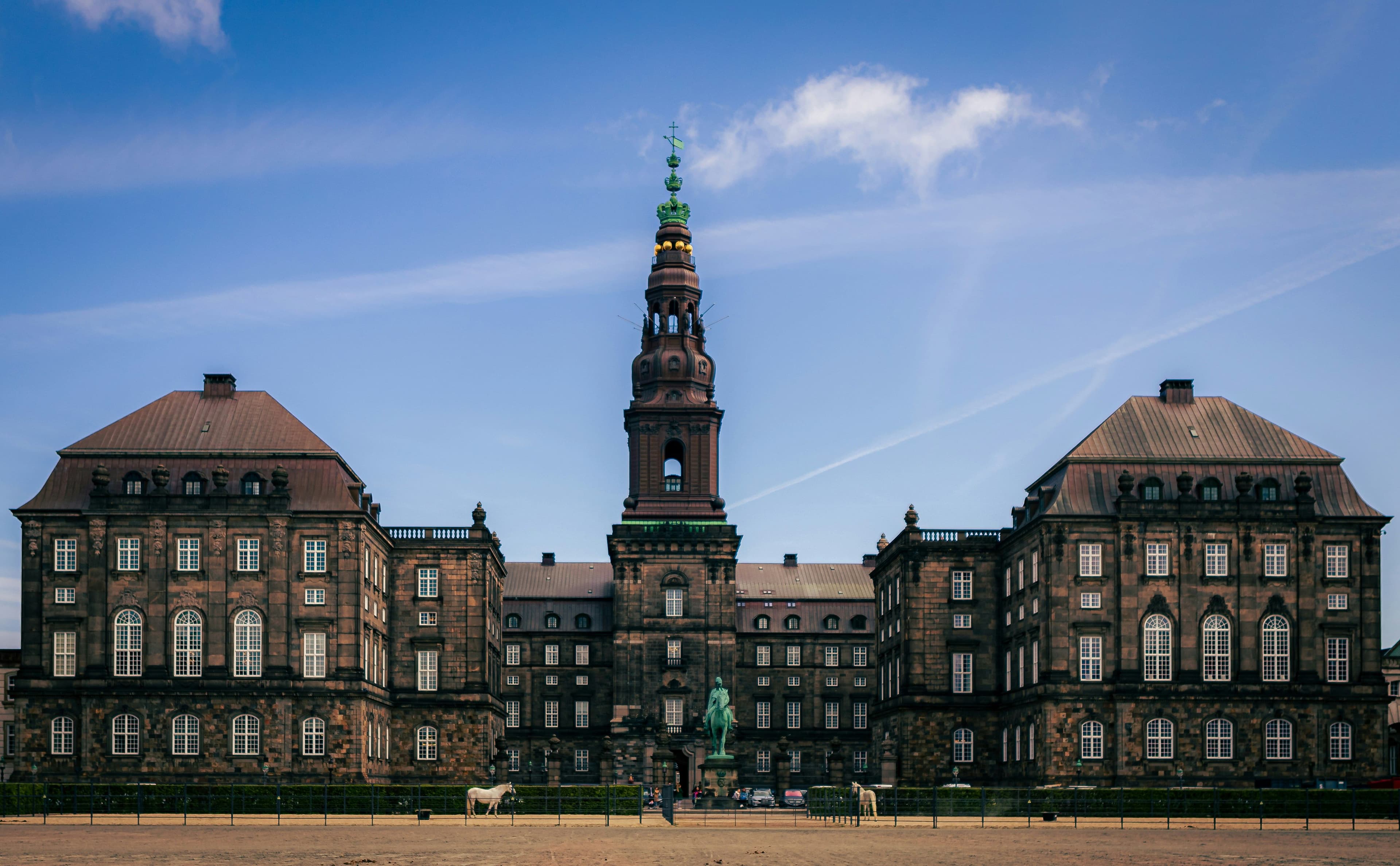
That connection between past and present is something you’ll notice quite quickly. Walking through cities like Copenhagen, you’ll see historic buildings like palaces and churches still in use today, right next to modern design stores and cafés.
Looking for more unique places, trips and activities?
Subscribe to our Guided Newsletter for more travel inspiration.
Is Denmark expensive? This is what you can expect to pay
Denmark has a reputation for being expensive, and compared to the UK, daily costs can be higher. Let’s look at what you can realistically expect to pay.
Food & Drink

Coffee
30 – 50 DKK
Lunch
120 – 200 DKK
Beer
50 – 80 DKK
Accommodation
Hotels
800 – 1,800 DKK
Airbnb
700 – 1,600 DKK
Hostel dorm
200 – 400 DKK
Transport

Trains
150 – 500 DKK
Public Transport
24 – 40 DKK
Car Rental
400 – 900 DKK
Attractions

Museums
100 – 180 DKK
Big Attractions
150 – 250 DKK
Theatre
200 – 700 DKK
Compare the cost of individual attraction tickets with a Copenhagen Card, as it can save money if you plan multiple museum visits.
Practical tips for a trip to Denmark
Denmark is an organized country and knowing a few things about the way people do things there can help a lot. Here are some tips from fellow Guided travellers:
✔ Pay with your credit card
Denmark uses the Danish Krone. One hundred Danish Krone is under twelve pounds. You can pay with a credit card everywhere in Denmark. You can use your credit card to pay at supermarkets, cafes and even small shops.
✔ Use public transport in Copenhagen
Denmark has a lot of trains that connect cities like Copenhagen, Odense, Aarhus and Aalborg. These trains run often, usually every thirty to sixty minutes. If you buy your ticket ahead of time on the DSB website it will be cheaper. The metro in Copenhagen runs often from early in the morning to late at night. You can even take the metro from the airport to the city centre in fifteen minutes.
✔ Rent a car to explore rural areas
If you want to see more of Denmark you can also rent a car. This is especially convenient when you leave Copenhagen and start exploring the rest of Denmark. There are many nice places to visit in Denmark like the coast of Jutland, small fishing towns and beautiful nature spots. These places are easier to get to by car than by train or bus. In Copenhagen it is usually better to use public transport or ride a bike because it can be hard to find a place to park in the city.
✔ Cycling is a big part of life in Denmark
A lot of people in Denmark ride bikes. There are bike lanes in most cities and people on bikes follow the same traffic rules as cars. If you are walking, stay out of the bike lanes. If you rent a bike, make sure to signal when you turn and do not stop suddenly.
✔ Prepare for weather changes
The weather in Denmark can change quickly because it is a country with a big coastline. In the summer it can get cool in the evening when the sun sets. It is a good idea to bring a light waterproof jacket and wear layers because this will keep you warm and dry all year round.
Ready to map out your trip to Denmark?
We hope this Denmark travel guide has given you a clear starting point for your trip. Stay tuned for more inspiration, itineraries and practical tips to help you shape your perfect trip to Denmark. And don’t forget to check out our Guided app, where you can create your own trip or use trips shared by other travellers for free.
FAQS about trips to Denmark
- What country is Copenhagen in?
Copenhagen is the capital city of Denmark, a Nordic country in Northern Europe. The city sits on the island of Zealand and connects to Sweden via the Øresund Bridge.
- Do I need a visa for Denmark?
- Is Denmark in the Schengen Area?
- Can I travel to Denmark from the UK?