

Czechia
Czech Republic travel guide: cities, castles and culture
Did you know Prague has one of the largest historic city centres in Europe, with buildings that have remained largely unchanged for centuries? Across Czechia, you’ll see castles, old towns and town squares that still follow their original layout from the medieval period, which makes it easy to picture how life looked here hundreds of years ago. Moving between places like Prague, Český Krumlov and Brno is really easy, so combining a few stops into one trip works well. This Czechia travel guide helps you decide where to go in Czechia and how to connect it into one clear trip.
5 reasons to visit the Czech Republic
You can walk through historic towns like Prague and Český Krumlov, with streets and squares that date back to the medieval period.
You’ll see castles like Prague Castle, one of the largest castle complexes in Europe, along with many others across the country.
Travel distances are short, so you can visit multiple cities and national parks like Bohemian Switzerland in one trip.
You can try local food like svíčková and dumplings, and drink beer in traditional pubs where it has been made for centuries.
Getting around is easy with trains, which connect most places and make day trips from Prague simple.
The best places to visit beyond Czech Republic tourist destinations
The Czech Republic has a lot to offer beyond its capital city. It has towns, spas and areas famous for wine. We recommend visiting these cities and parks in the Czech Republic:
Prague: the historic capital
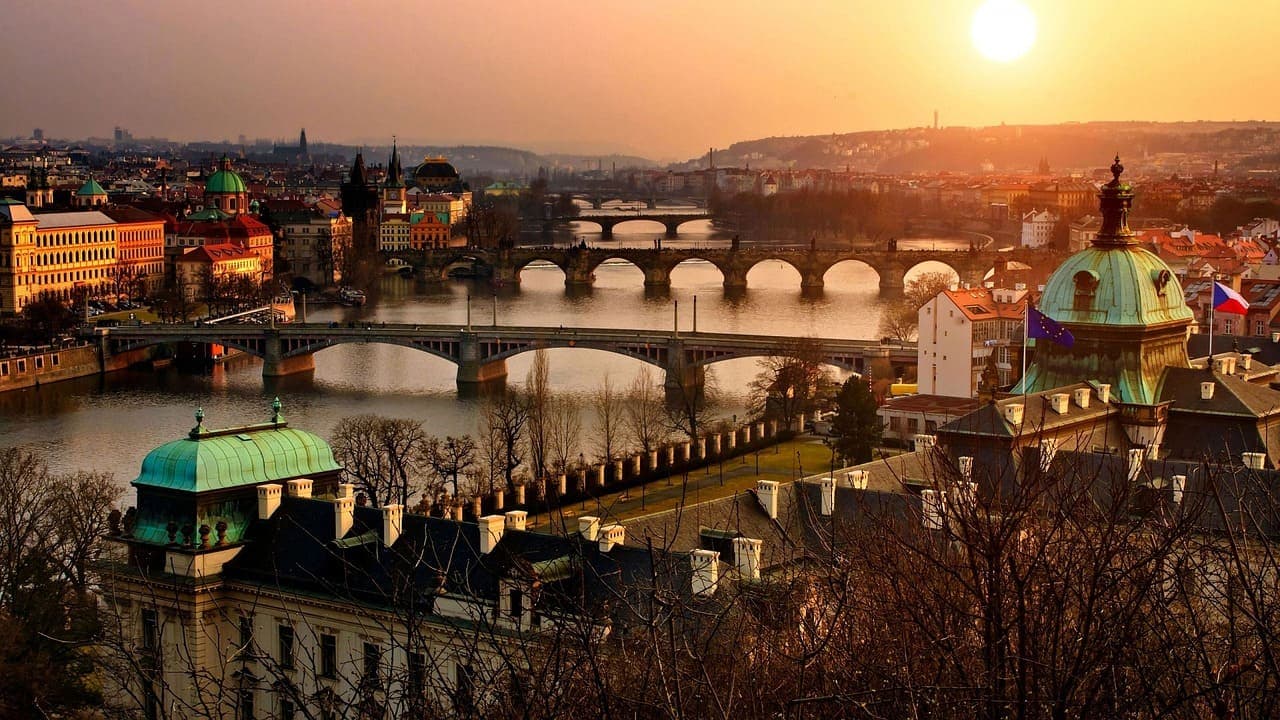
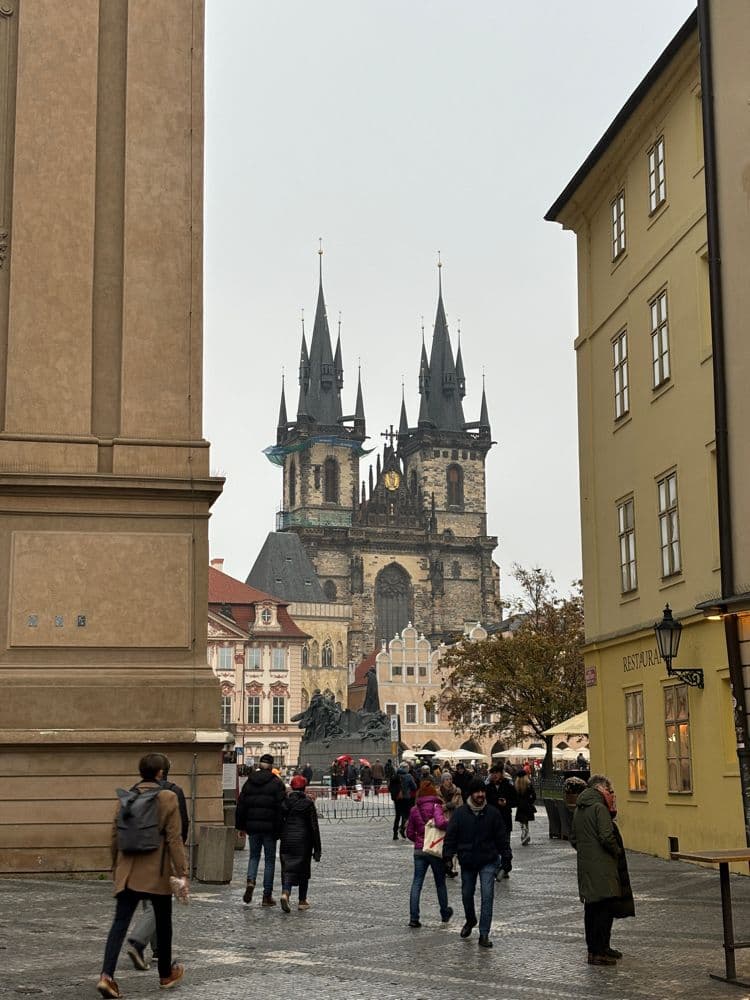
Prague is the capital of the Czech Republic. It has beautiful buildings like Gothic towers, Renaissance palaces and Baroque churches close together. Prague Castle is really big, it looks out over the river and has St Vitus Cathedral and Golden Lane inside. If you cross Charles Bridge, you can get from the Old Town to the Lesser Town. Each side of the river has its style of buildings. If you plan it right, you can see everything in Prague without walking much.
A day trip from Prague
If you stay in Prague you might want to visit Kutná Hora. It is an hour away by train. You can see the Bone Church and St Barbara’s Cathedral. Another easy trip is to Karlštejn Castle, which is 40 minutes away.
Český Krumlov and Southern Bohemia
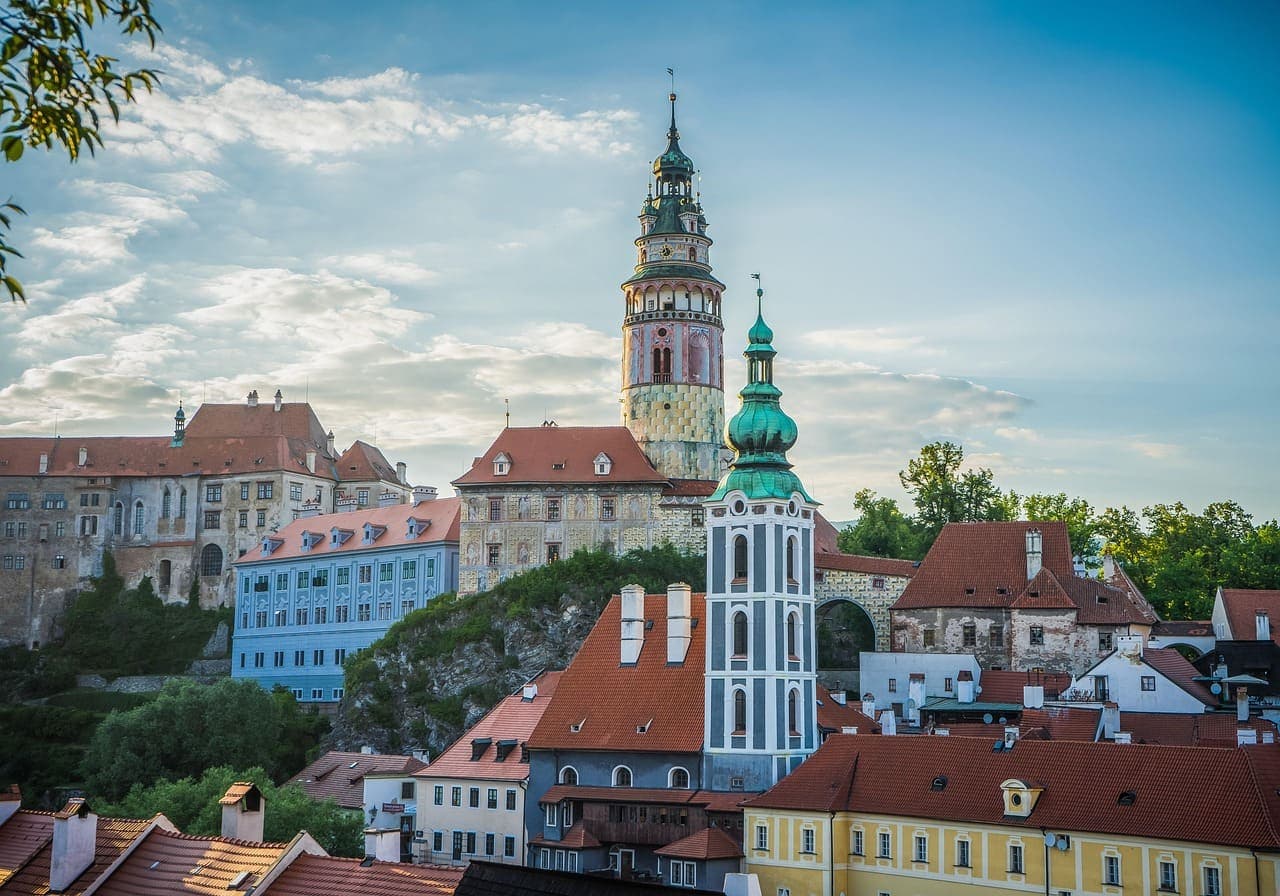
Český Krumlov is a town three hours from Prague. It is one of the most photographed towns in the Czech Republic. The castle complex is really big and it sits above a bend in the Vltava River. The old town has not changed much since the century. The streets are narrow and connect to small courtyards, galleries and viewpoints where you can see the rooftops. If you stay overnight you can see the town when it is not too busy.
Karlovy Vary and Spa Town Culture
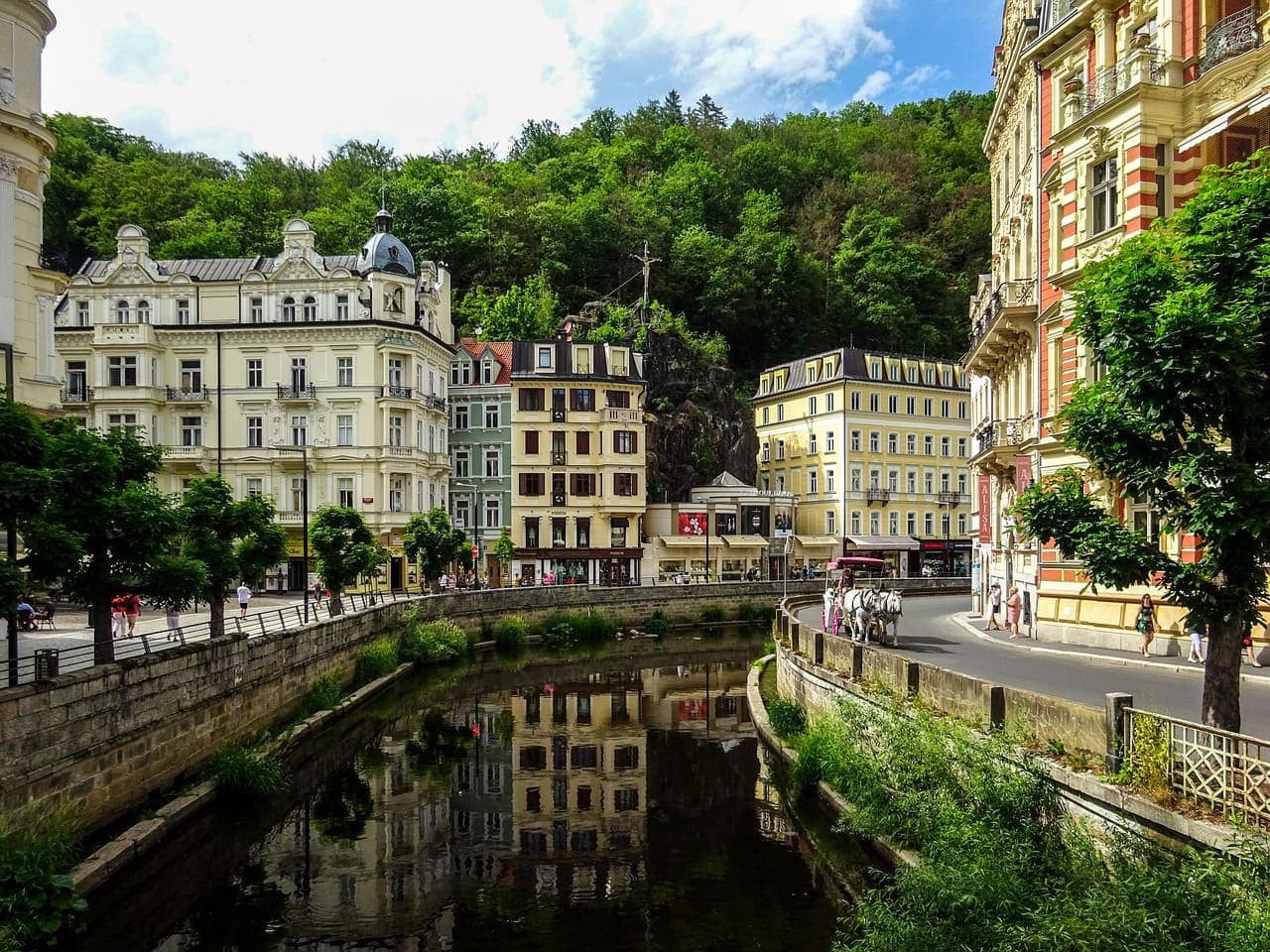
Karlovy Vary is famous for its springs and fancy buildings from the 19th century. People walk around and drink water from the springs using special cups. The town also has a film festival every summer. If you stay for one night you can see the town and try out the spas.
Brno
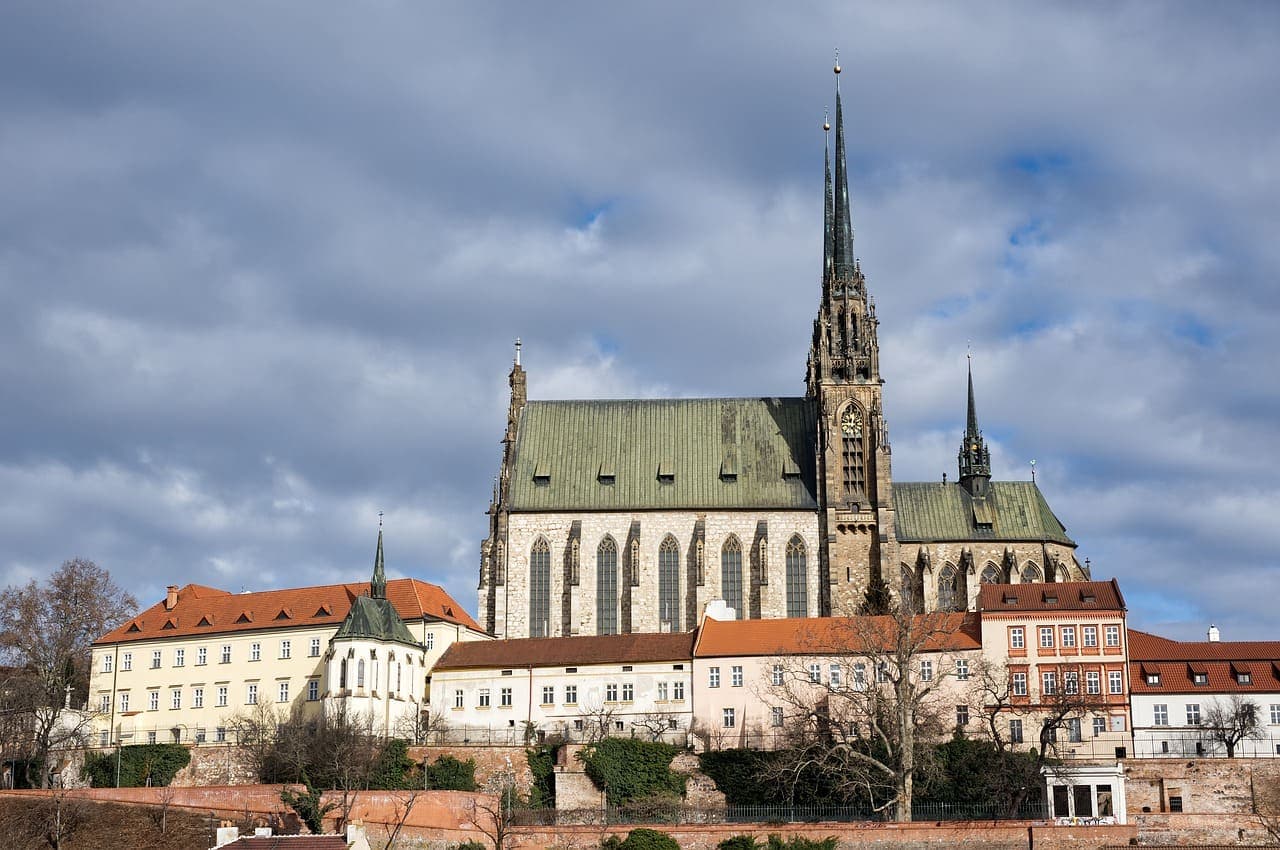
Brno is the second-largest city in the Czech Republic and has a strong student atmosphere due to its many universities. That gives the city a more local and less tourist-focused feel compared to Prague. You can visit Villa Tugendhat, a UNESCO-listed modernist building designed by architect Ludwig Mies van der Rohe in the 1930s. In the city centre, places like Špilberk Castle and the Cathedral of St. Peter and Paul overlook the old town. You can get to Brno from Prague by train in 2.5 hours.
National Parks
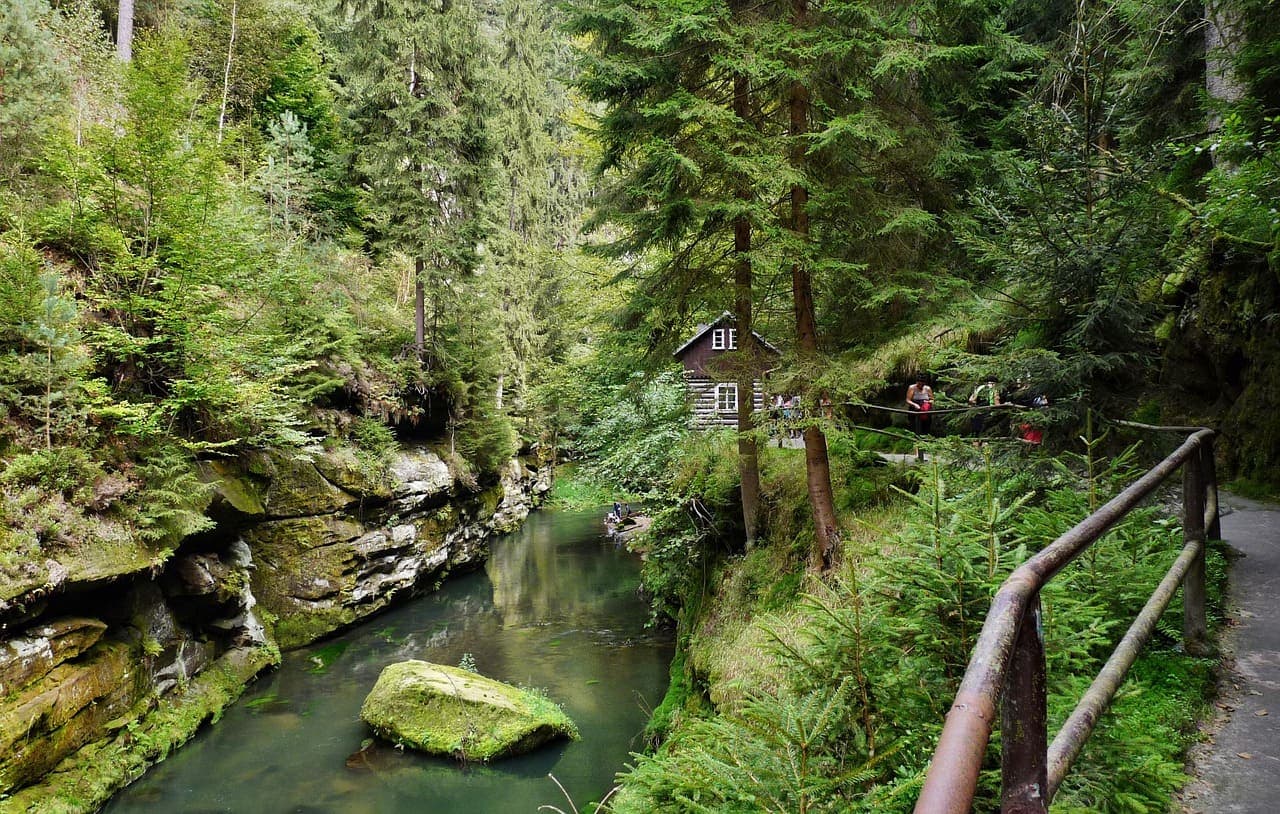
The Czech Republic has beautiful national parks. One of them is Bohemian Switzerland. It is near the border and has a big natural sandstone arch. You can hike on trails and see the views. Another park is Šumava National Park. It is near Austria and it has beautiful lakes and bike paths. Most national parks are free to visit!
If you visit parks, like Bohemian Switzerland, check the weather the night before. Sometimes trails are closed after rain.
Itineraries for Czech Republic trips
Want to see more than just Pragues highlights without running in circles? Let’s see where you can go in 5 to 7 days.
5 day Czech Republic itinerary: Prague and Český Krumlov
Day 1–2: Prague, explore the Old Town, walk across Charles Bridge and visit Prague Castle
Day 3: Continue in Prague, visit museums or explore neighbourhoods beyond the centre
Day 4: Travel to Český Krumlov, explore the town, visit the castle complex and climb the tower for views
Day 5: Walk along the river around the old town and return to Prague
7 day Czech Republic itinerary: cities, wine and spa towns
Day 1–2: Prague, explore main landmarks and surrounding areas
Day 3: Travel to Brno, explore the city and learn about Moravian wine
Day 4–5: Moravian countryside, visit vineyards and smaller towns
Day 6: Travel to Karlovy Vary, explore spa buildings and colonnades
Day 7: Return to Prague
Planning a shorter stay? Take a look at our 3-day Prague itinerary.
Looking for more inspiration? Explore these trips:
What to do in Czechia
The places you visit during your trip matter, but what you actually do there is what you’ll remember most. So let’s take a look at some things you can do in Czechia.
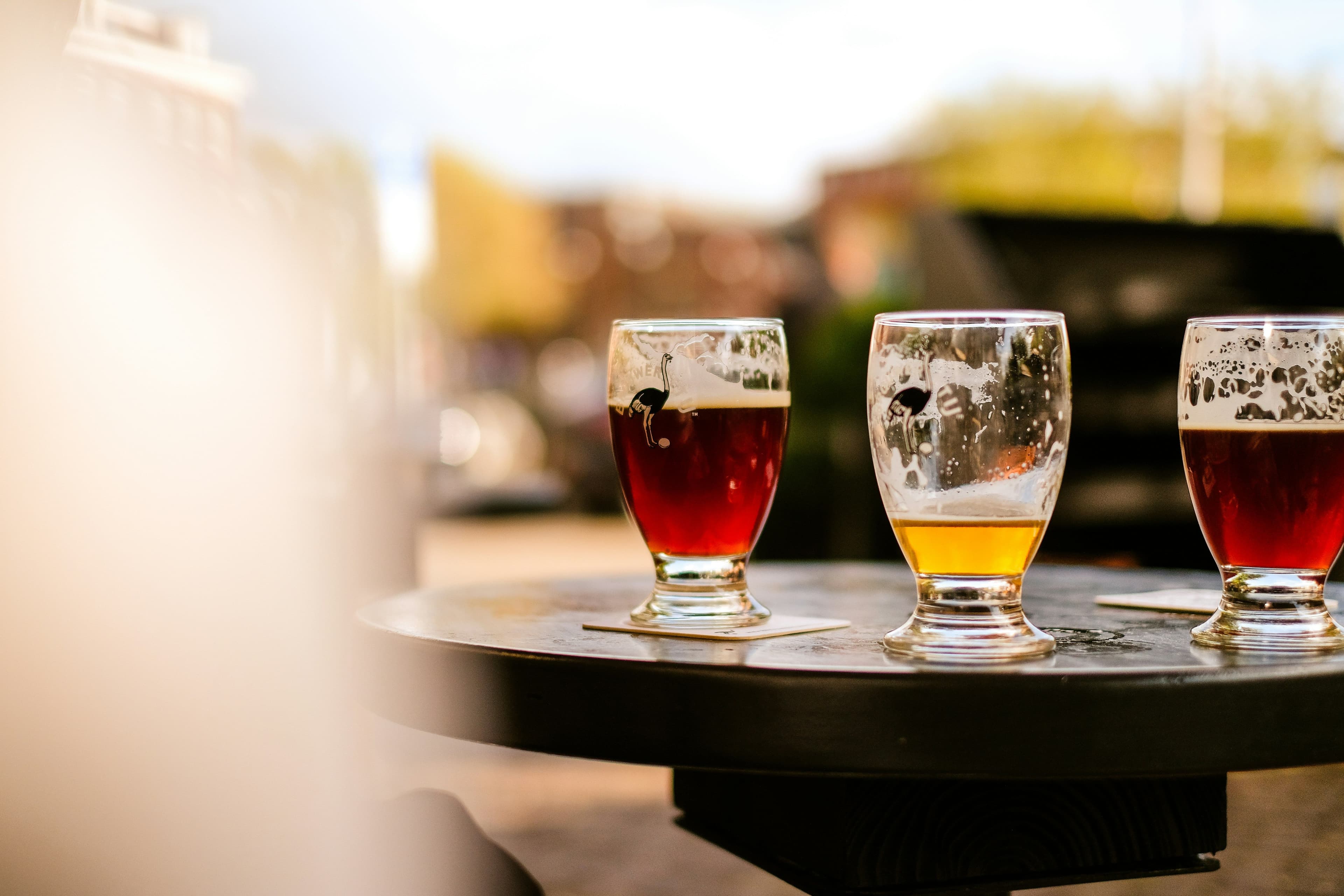
Join a beer tasting in a traditional Czech pub in Prague
In Prague, beer is part of daily life and trying a few different types is almost expected. In a traditional pub, you can order a tasting set with local lagers and darker beers. Staff often explain the differences between brewing styles and regions. It’s a simple way to connect with the culture.
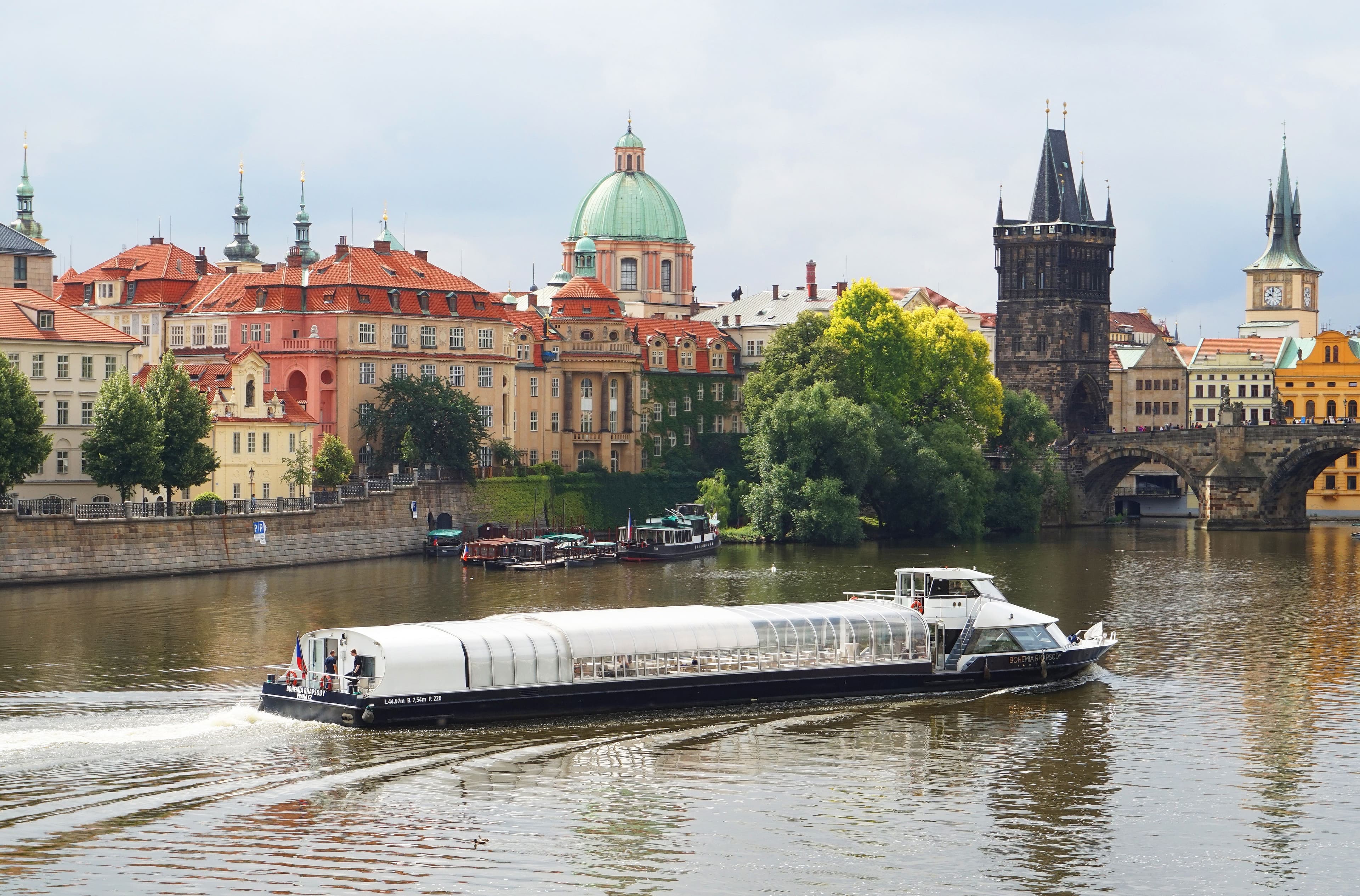
Take a river cruise on the Vltava through Prague
From the water, Prague looks completely different. Boats move slowly along the Vltava River, passing under Charles Bridge and alongside historic buildings. You’ll see the castle from a lower angle, which changes the perspective compared to walking through the city. Cruises usually last one to two hours.
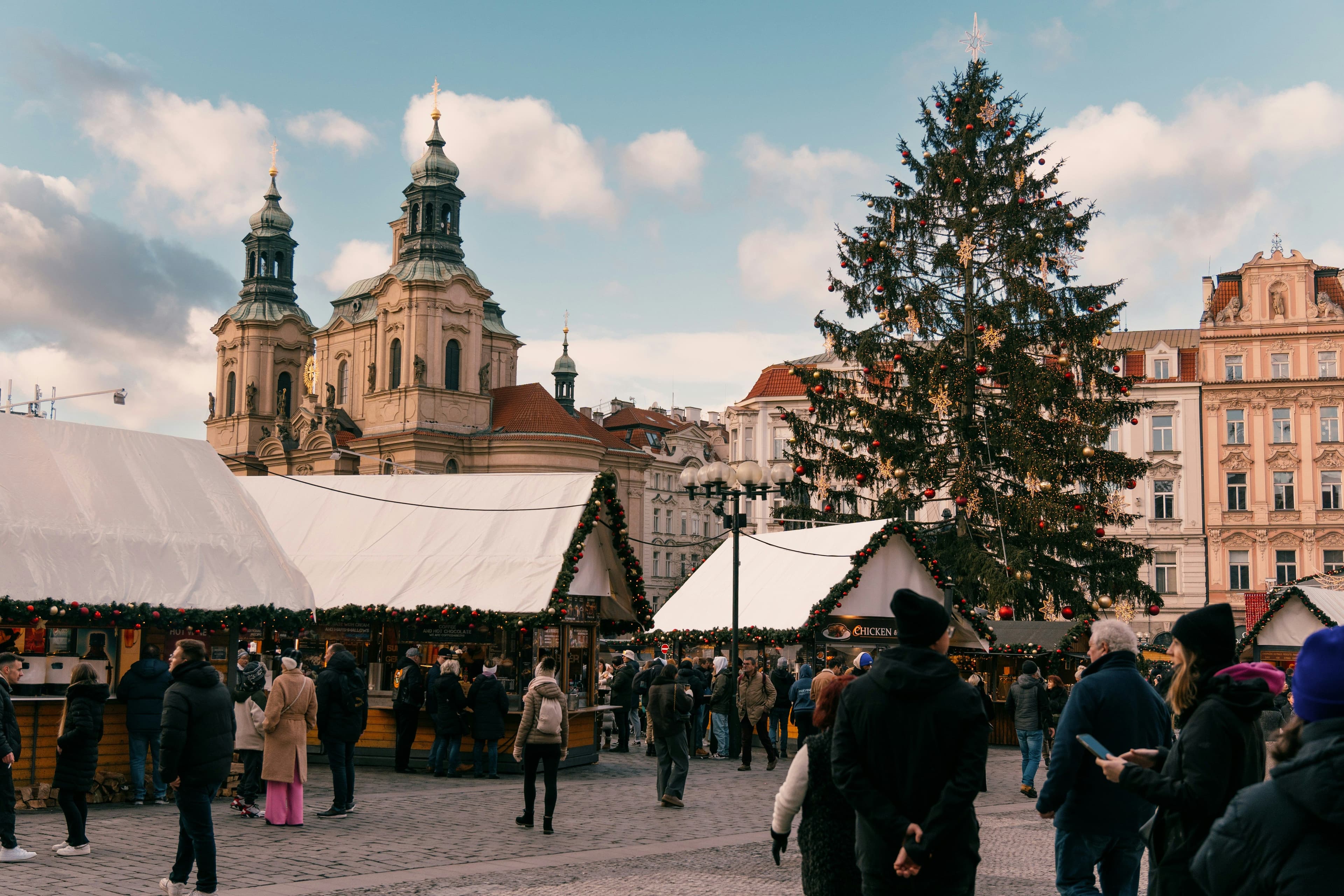
Walk through local markets and try street food in Prague
Around the city, markets like Naplavka or smaller food markets give you a look into daily life. You can try simple dishes like grilled sausages, pastries or local snacks while walking between stalls. Vendors prepare food on the spot, so everything is made fresh. These places are often busiest during weekends.
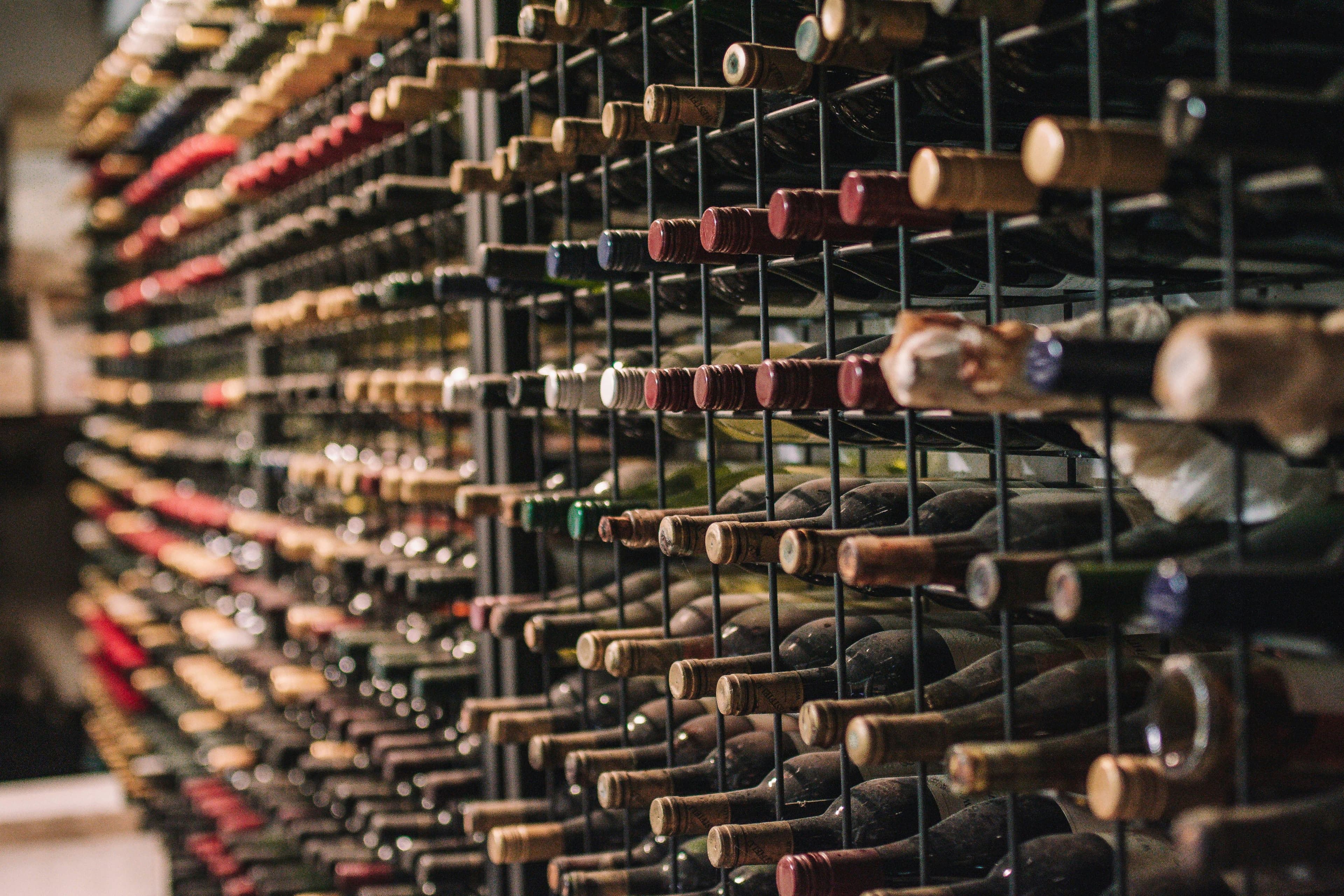
Visit a wine cellar in South Moravia and taste local wines
In the south near Brno, the Moravian region is known for wine production. Small wine cellars offer tastings where you can try white wines made locally. Many of these places are family-run, which makes the experience more personal.
Relax in a spa and try thermal treatments in Karlovy Vary
In spa towns like Karlovy Vary, you can book access to wellness centres with thermal pools and treatments. Warm mineral water is used for bathing and relaxation, which has been done here for centuries. Some places also offer massages or short spa sessions.
Want more inspiration on where to go? We’ve written a complete guide to picking the right locations for your trip. Read our blog about The best places to visit in Czechia to explore more fun activities and destinations!

Did you know you can create your own itinerary?
Now that you know the best things to see and do in the Netherlands, you can start creating your own trip. Do you want more time in museums and historic streets, or are you thinking about cycling, nature and being outside? It’s all up to you. You can easily create your own trip in the Guided app for free, or use trips shared by others.
When to go to Czech Republic?
The time of year matters a lot for city breaks. In summer you may want to explore national parks and spend time outdoors, while in winter cities feel cosy with lights, museums and markets.
Summer: Blooming and Lively
Spring and summer are both good times to visit. From March to May it's usually between 10 and 18 degrees Celsius. Parks start blooming and outdoor cafes reopen giving the cities a relaxed feel. From June to August it's often 25 degrees Celsius or higher. Daylight lasts into the evening and festivals and concerts fill city squares. Summer means accommodation prices are higher so book early to save money.
Autumn and Winter: Harvest Season and Winter Markets
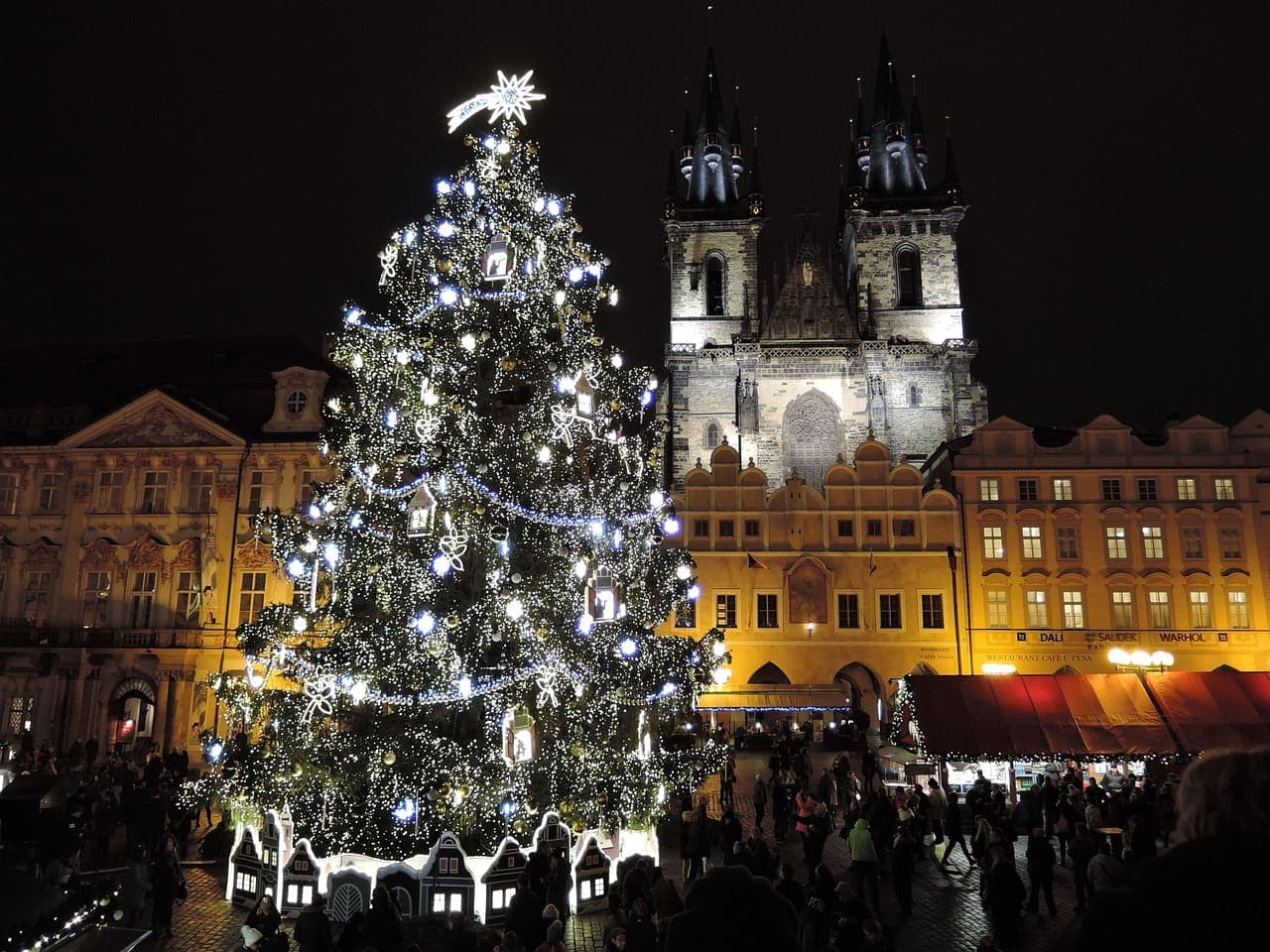
Autumn and winter offer an experience with cooler air and changing colours. September and October bring walking temperatures between 12 and 20 degrees Celsius, golden leaves in parks and wine harvest season in Moravia making vineyard visits rewarding. By December Prague gets festive with Christmas markets around the Old Town Square and near Wenceslas Square though it's often below zero degrees and daylight is shorter.
Getting around during your Czech Republic trip
You will be pleasantly surprised by how easy it's to move around the Czech Republic. The Czech Republic has trains, trams and roads that're well organised and simple to figure out.
Public Transport in Prague
Prague has a good public transport system. Prague has trams, buses and three metro lines that are all connected. You can buy tickets for the transport in Prague at machines in metro stations. The tickets for transport in Prague are time based starting from 30 minutes. Regional trains in the Czech Republic connect Czech cities several times per day. The journey times on trains in the Czech Republic are rarely more than three hours.
Travelling by Car in the Czech Republic
If you want to go to areas or national parks in the Czech Republic, hiring a car is a good idea. The roads in the Czech Republic are well maintained and clearly signposted. Before you can drive in the Czech Republic you need to buy a vignette.
It is a good idea to download offline maps before you leave Prague. The signal can be weaker in areas of the Czech Republic especially in national parks.
Food and drinks to try when travelling to Czechia
Food in Czechia is quite filling and based on traditional recipes that have been around for a long time. Meals are often centred around meat, sauces and side dishes like dumplings. Beer is also part of daily life and often cheaper than other drinks. If you want to try something typical, these are a few things to look out for:
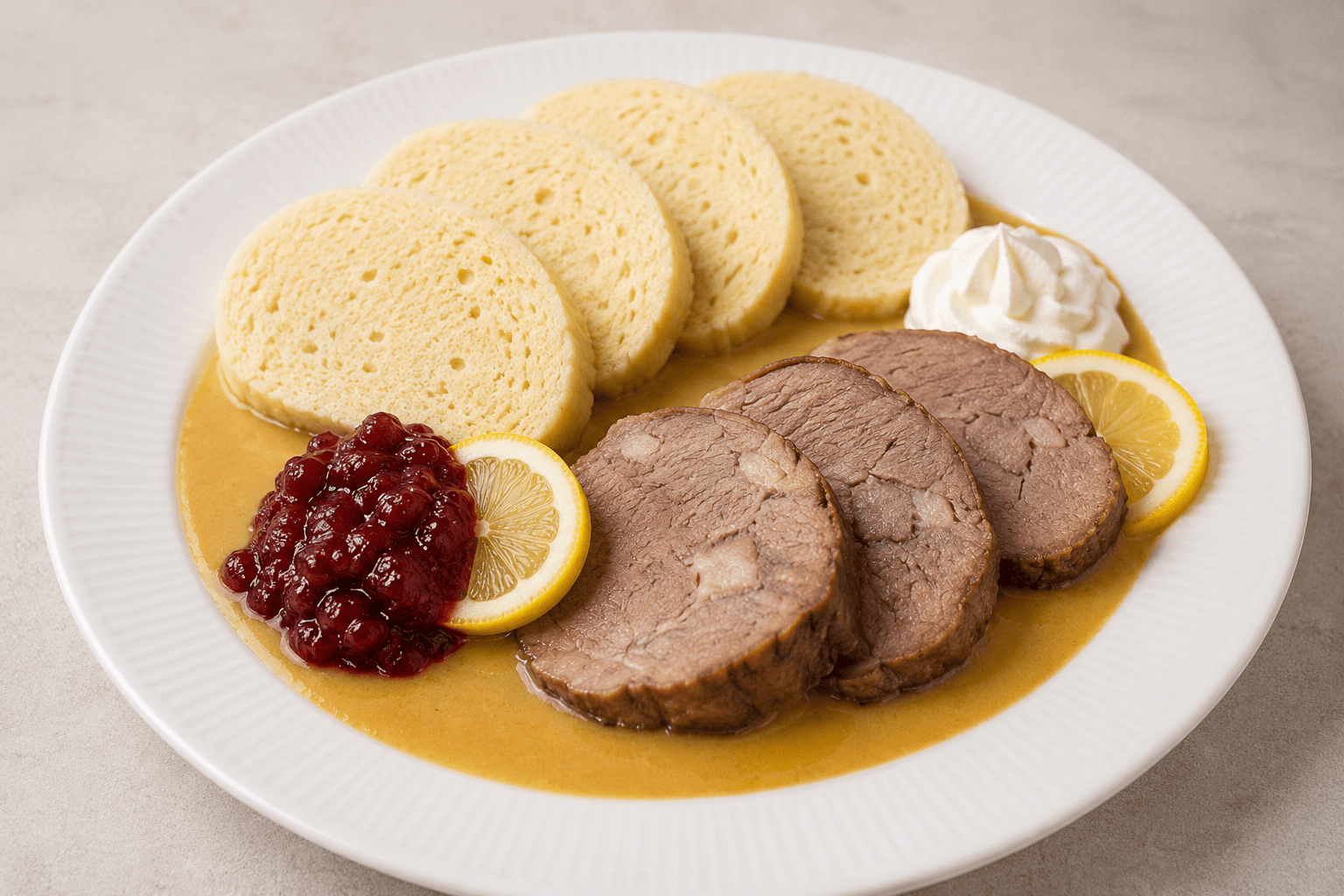
Try svíčková with dumplings in a traditional Czech restaurant
Svíčková is one of the most common Czech dishes, made with beef in a creamy vegetable sauce. It’s usually served with bread dumplings that soak up the sauce. You’ll find it in restaurants across Prague and other cities.
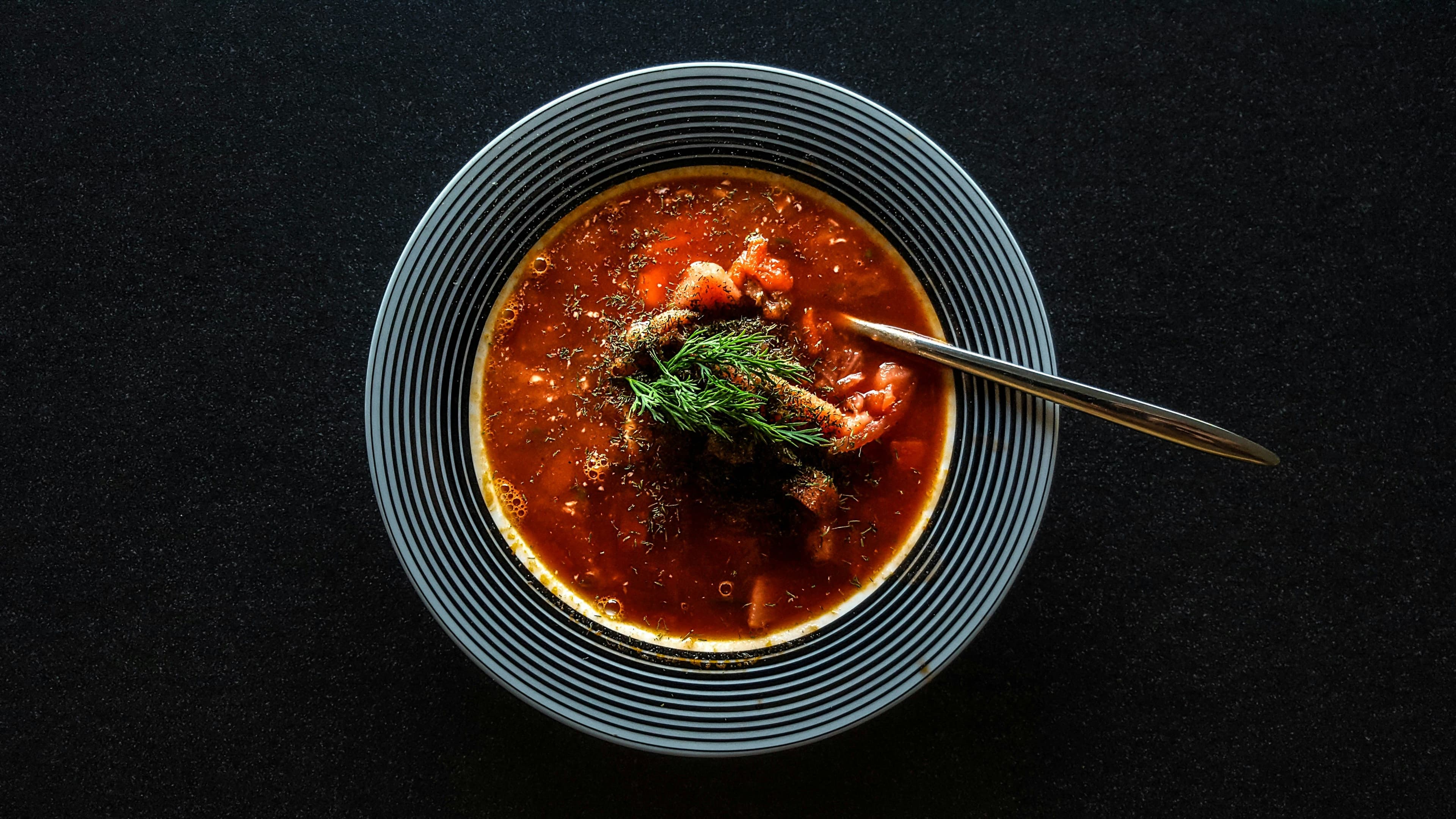
Eat goulash with bread dumplings in local pubs
Goulash in Czechia is thicker than the Hungarian version and often served with dumplings instead of rice. The dish is based on slow-cooked meat with spices and onions. In Prague, many pubs serve it alongside local beer.
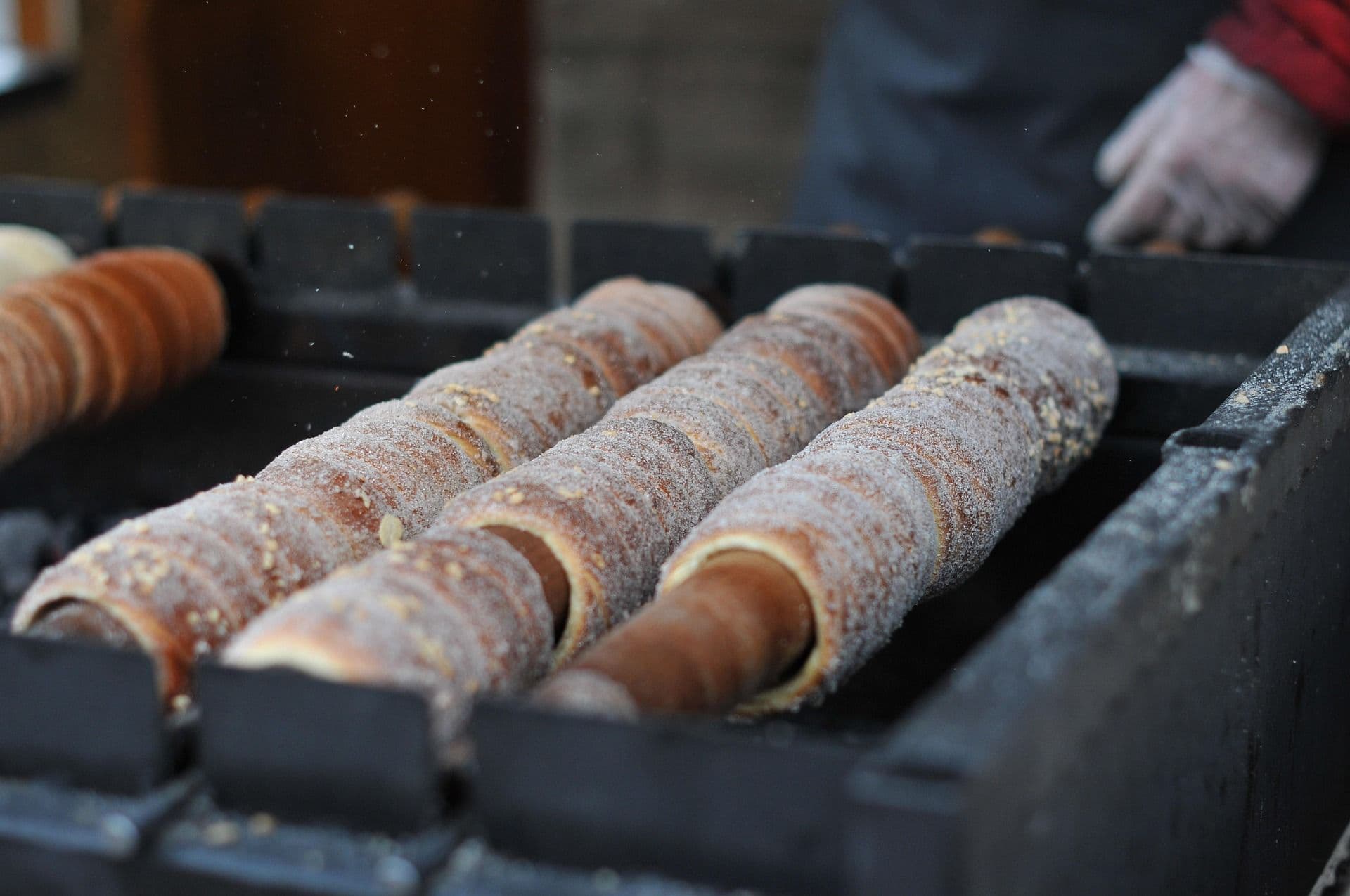
Try trdelník from street stalls in Prague
Trdelník is a sweet pastry that you’ll often see in the streets of Prague. It’s made by wrapping dough around a stick, baking it over heat and coating it in sugar. Some versions are filled with cream or chocolate. You’ll find stalls in busy areas like the Old Town.
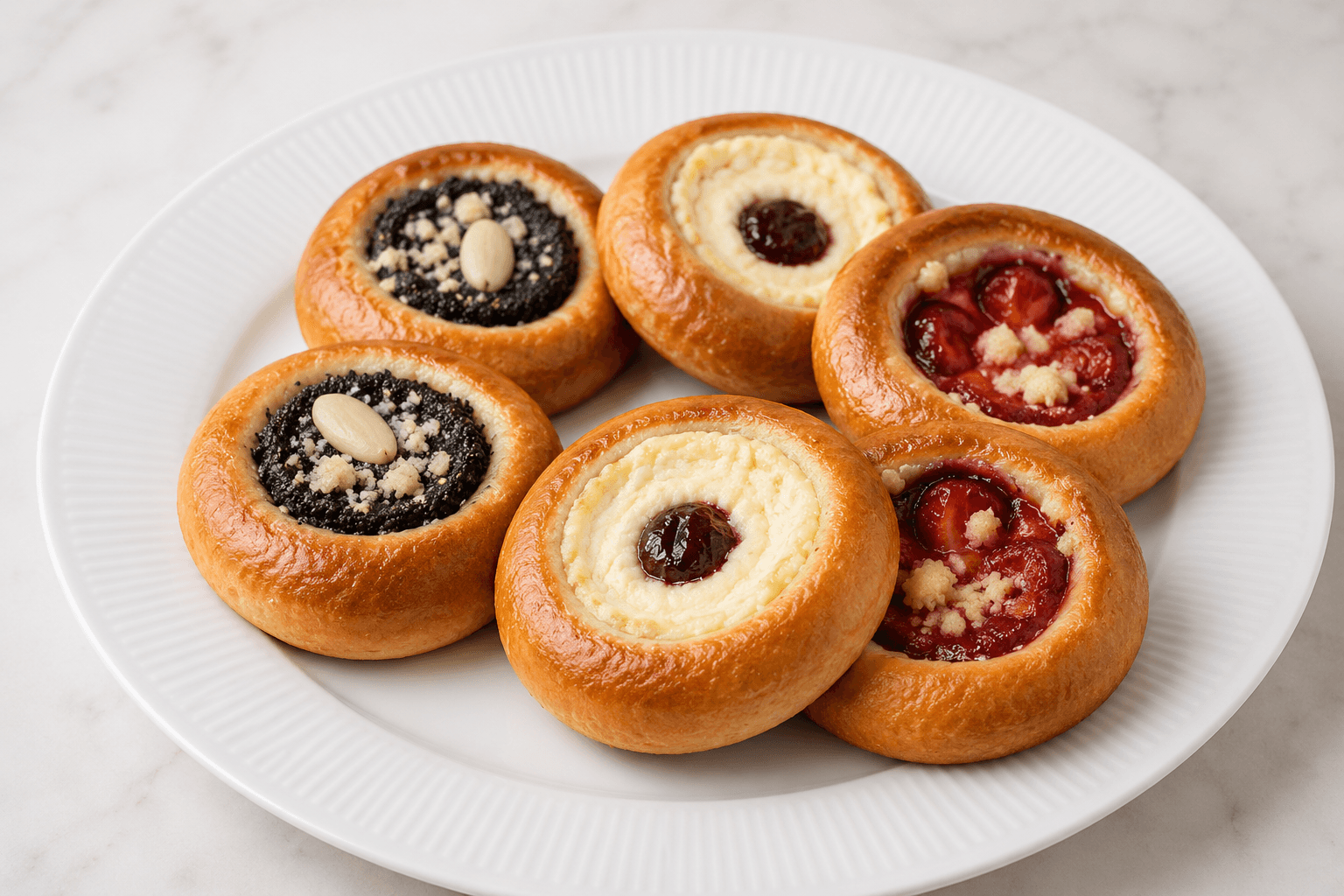
Try koláče pastries from bakeries
Koláče are small pastries filled with ingredients like fruit, poppy seeds or cheese. They are common in bakeries across the country. People often eat them in the morning or as a snack during the day.
Culture in Czechia: medieval kingdoms and local life
Czechia has a long history that goes back to the medieval Kingdom of Bohemia, which became established around the 9th century. Over time, the region became part of the Holy Roman Empire and later the Austro-Hungarian Empire until 1918. You can still see this history in the architecture, with Gothic churches, Baroque buildings and large town squares that have kept their original layout. Prague became an important cultural and political centre during these periods, which is why so many historic buildings are concentrated there.
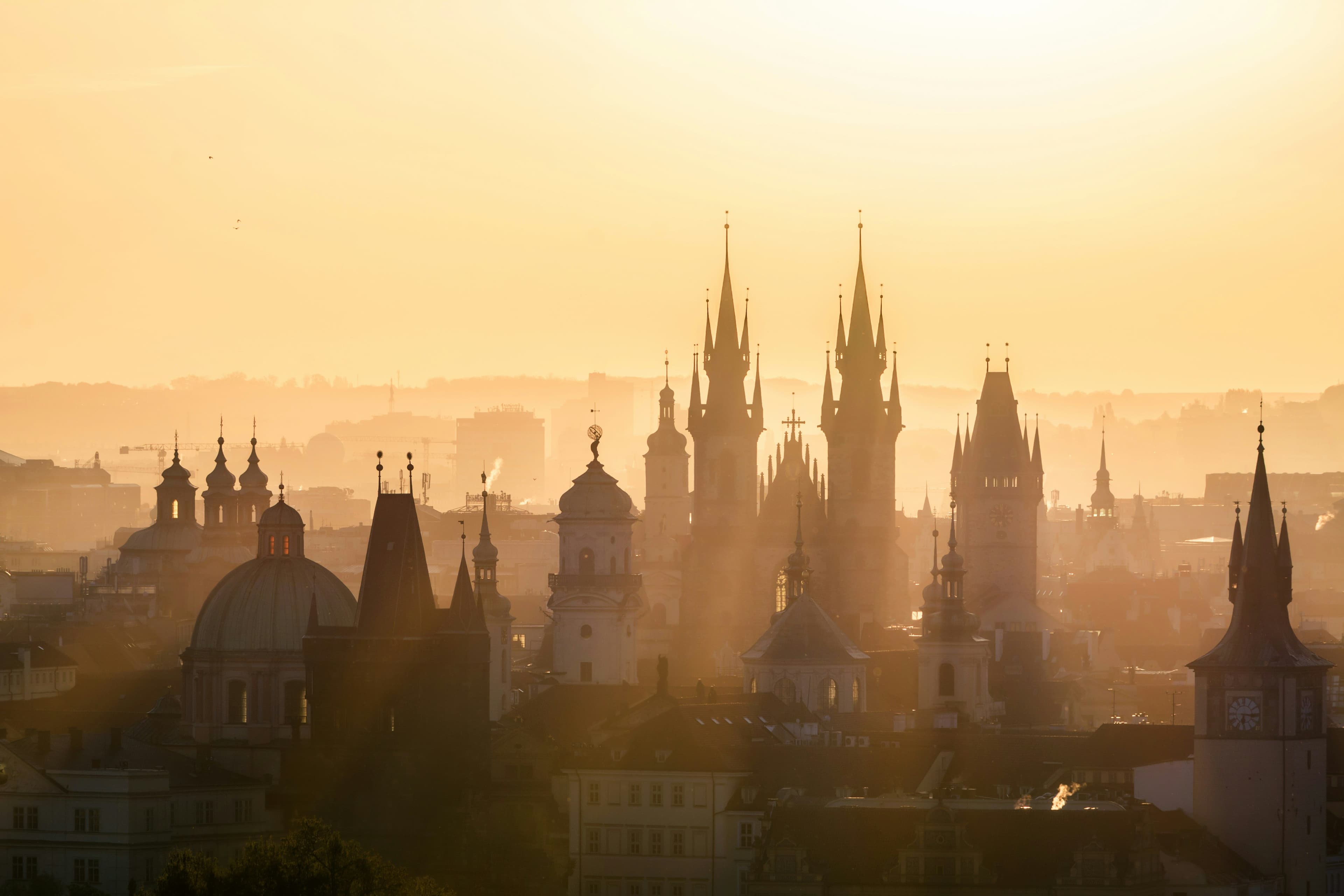
Moving through the city, you’ll notice how older architecture sits next to more modern cafés, shops and public spaces. And in local pubs and restaurants, beer culture is still present today, something that didn’t change much over time.
Looking for more unique places, trips and activities?
Subscribe to our Guided Newsletter for more travel inspiration.
What does a trip to the Czech Republic cost?
How much money should you bring to the Czech Republic for food, transport and attractions? Let’s look at what things cost in the Czech Republic.
Food & Drink

Coffee
50 – 90 CZK
Lunch
150 – 250 CZK
Beer
40 – 80 CZK
Accommodation
Hotels
1,500 – 3,500 CZK
Airbnb
1,200 – 3,000 CZK
Hostel dorm
300 – 700 CZK
Transport
Trains
150 – 600 CZK
Public Transport
30 – 60 CZK
Car Rental
800 – 1,800 CZK
Attractions

Museums
150 – 300 CZK
Big Attractions
250 – 500 CZK
Theatre
500 – 1,500 CZK
Practical tips for travelling to the Czech Republic
First time travelling to Czechia, and wondering what to sort out before you go? We’ve put together a few simple tips that help your trip to Czechia run smoother from the moment you arrive.
✔ Bring some cash, cards are not accepted everywhere
In Czechia, the local currency is the Czech koruna (CZK), and you’ll see prices listed in that everywhere. In cities, card payments are common, yet smaller cafés, markets or rural spots still prefer cash. Having a bit of cash with you makes things easier during the day.
✔ Drink tap water and refill along the way
Tap water in Czechia is safe to drink and meets European standards. Carrying a refillable bottle saves you money and makes it easier when you’re out exploring. In cities, you can refill at cafés or public places.
✔ Validate your ticket as soon as you get on
Public transport in Prague runs on time and is easy to use once you understand the system. Tickets are time-based, often starting from 30 minutes, rather than for a single ride. As soon as you step on, you need to validate your ticket using the machines inside. Ticket checks happen regularly, so keeping it with you until the end of your journey avoids any issues.
Wondering if Czechia is safe? Read our blog about safety in Czechia to find out how to stay safe during your trip.
Ready to map out your trip to Czechia?
We hope this Czech Republic travel guide has given you a clear starting point for your trip. Stay tuned for more inspiration, itineraries and practical tips to help you shape your perfect trip to the Czech Republic. And don’t forget to check out our Guided app, where you can create your own trip or use trips shared by other travellers for free.
FAQS about Czech Republic travel
- Do you need a visa for Prague?
That depends on where you’re travelling from. Prague is in Czechia and part of the Schengen Area, so the same rules apply. If you’re from the UK, EU or countries like the US, Canada or Australia, you usually don’t need a visa for short stays up to 90 days. If you’re travelling from other regions, you may need a Schengen visa before your trip. It’s always a good idea to check the official requirements before you travel.
- What language do they speak in Prague?
- How do you say hello in Prague?
- Where is Ceska Republika?
- What country is Prague in Europe?