

Colombia
Colombia travel guide: What to know before visiting
Colombia is one of the most biodiverse countries in the world. You visit giant wax palms in cold mountain valleys, swim beside Caribbean beaches, and head deep into Amazon jungle regions. And did you know Colombia has one of the most unique animal species too? You can still spot pink river dolphins and many bird species like toucans, hummingbirds and Andean condors. On the other hand, when you move to the city of Cartagena, you can experience authentic interactions with locals, enjoy the relaxed atmosphere and visit colorful restaurants playing live music. And only a short domestic flight later, you can drink homemade coffee beside misty green hills almost 2,000 metres above sea level. Rural mountain towns, salsa bars, jungle hikes and island beaches all somehow fit into the same country here. Colombia has quietly grown into one of South America’s most exciting destinations for food, hiking, beaches, nature and city trips. Throughout this Colombia travel guide, we’ll help you figure out where to go, what to do and how to connect Colombia’s most beautiful regions into one unforgettable trip.
5 reasons to visit Colombia
Late evenings in Cartagena usually end with rooftop drinks, salsa music and warm streets long after midnight.
Caribbean beaches, giant mountain valleys and Amazon jungle all fit inside one country here.
Tiny coffee villages, waterfalls and colourful colonial towns make your trip unique
You can enjoy island boat trips, jungle hikes and mountain viewpoints
Many domestic flights are cheap which makes seeing several regions during one trip easy.
Best places to visit in Colombia
Not sure where to start when planning your trip to Colombia? Good news: flights and bus routes connect most major regions pretty well, so fitting beaches, mountain towns and big cities into one trip stays fairly simple. So if you’re wondering where to go in Colombia, start here.
Explore colourful streets and rooftop bars in Cartagena
Inside Cartagena, warm evenings and colourful colonial streets pull you outside almost immediately after arriving. You’ll probably spend hours inside the historic center. It has rooftop bars, flower covered balconies and little restaurants behind old city walls originally built to protect Cartagena from pirate attacks centuries ago. Closer towards Getsemaní, giant murals, street musicians and tiny cocktail bars keep large parts of the neighbourhood active late into the night, and somewhere nearby you’ll almost always hear salsa music coming from open windows or busy little squares. Boat trips also leave daily towards Isla Barú and the Rosario Islands where you can enjoy white sand, snorkelling spots and turquoise Caribbean water.
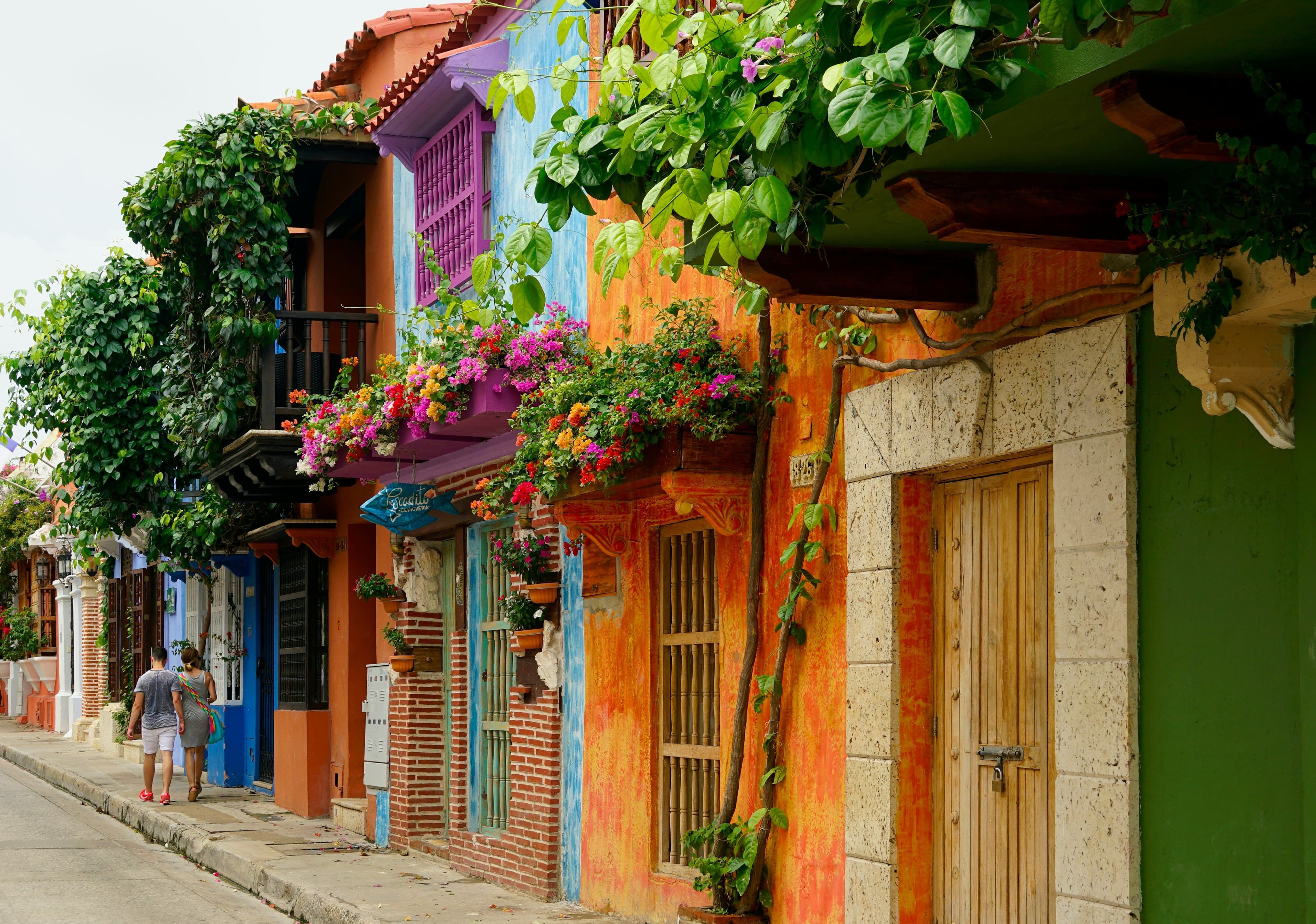
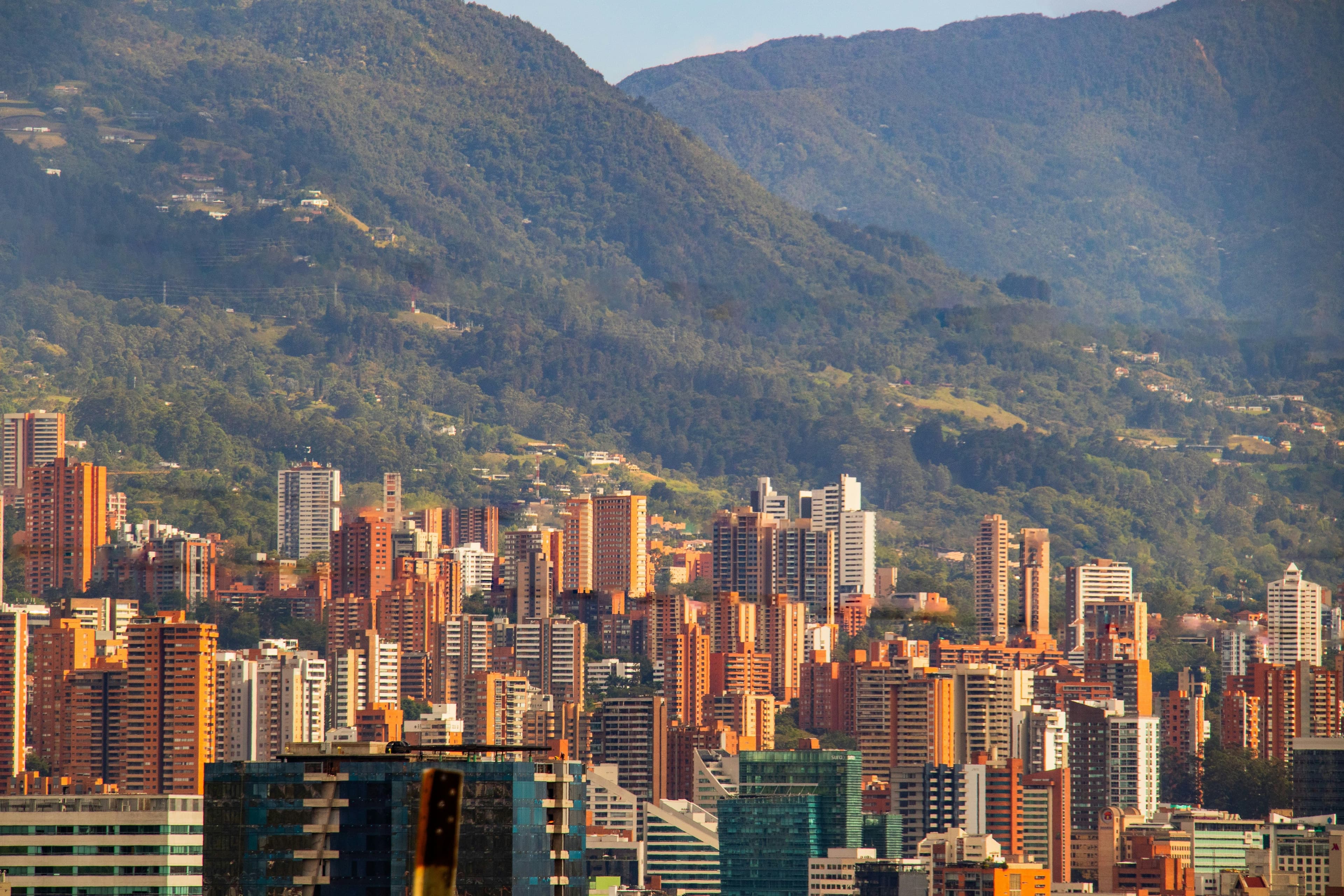
Spend a few days in Medellín surrounded by mountains
Straight away after landing in Medellín, giant green mountains surrounding the city completely stand out. Cooler temperatures, modern cafés and rooftop bars create a totally different atmosphere compared to Cartagena. You can visit neighbourhoods like El Poblado and Laureles. Back during the years of Pablo Escobar, Medellín carried one of the darkest reputations anywhere in South America, though places like Comuna 13 now attract visitors daily for giant murals, outdoor escalators, local street food and graffiti tours explaining how the neighbourhood slowly changed over time. Up above the city, cable cars move across the hills and give some of the best views anywhere in Colombia when the sunset starts colouring the skyline orange.
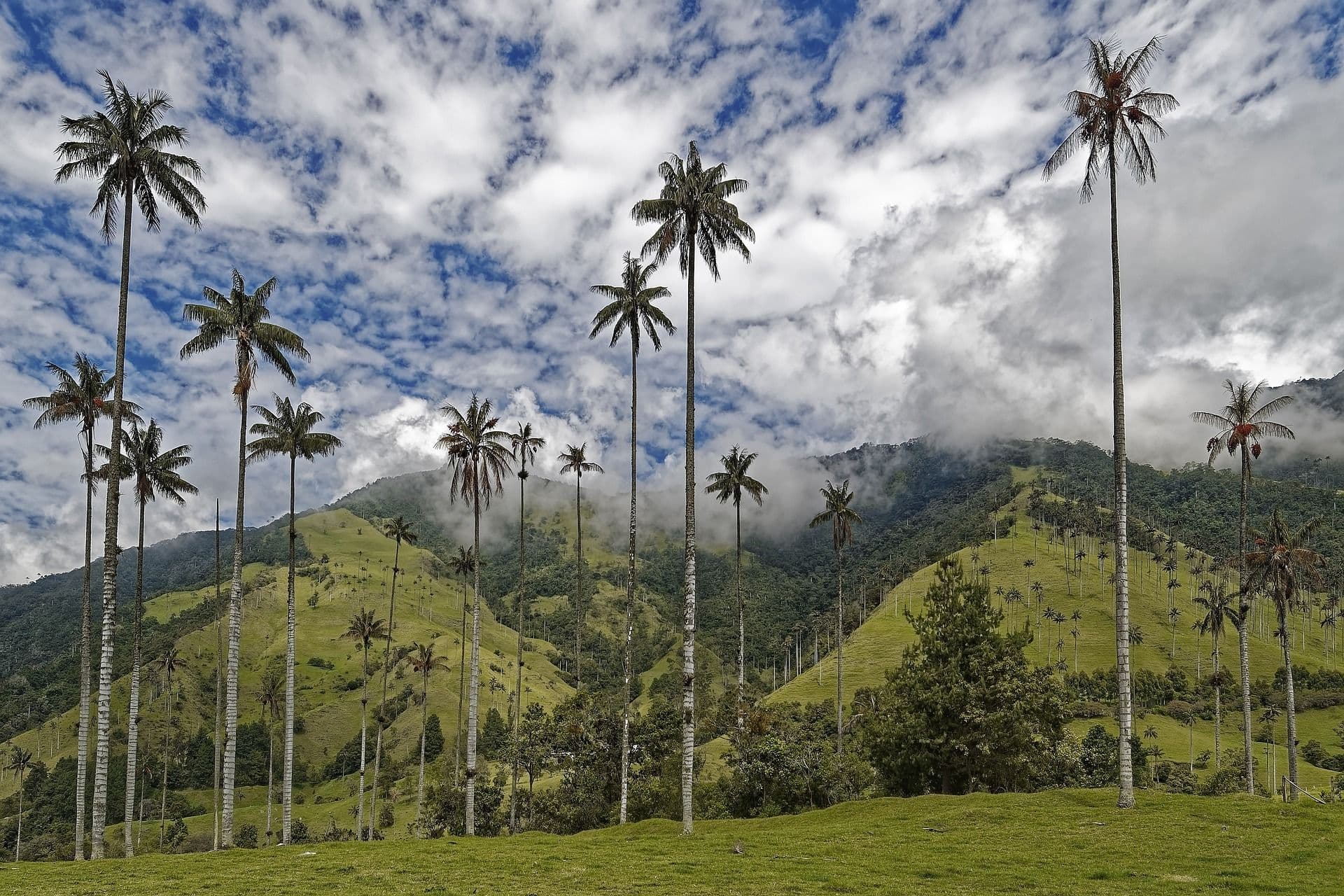
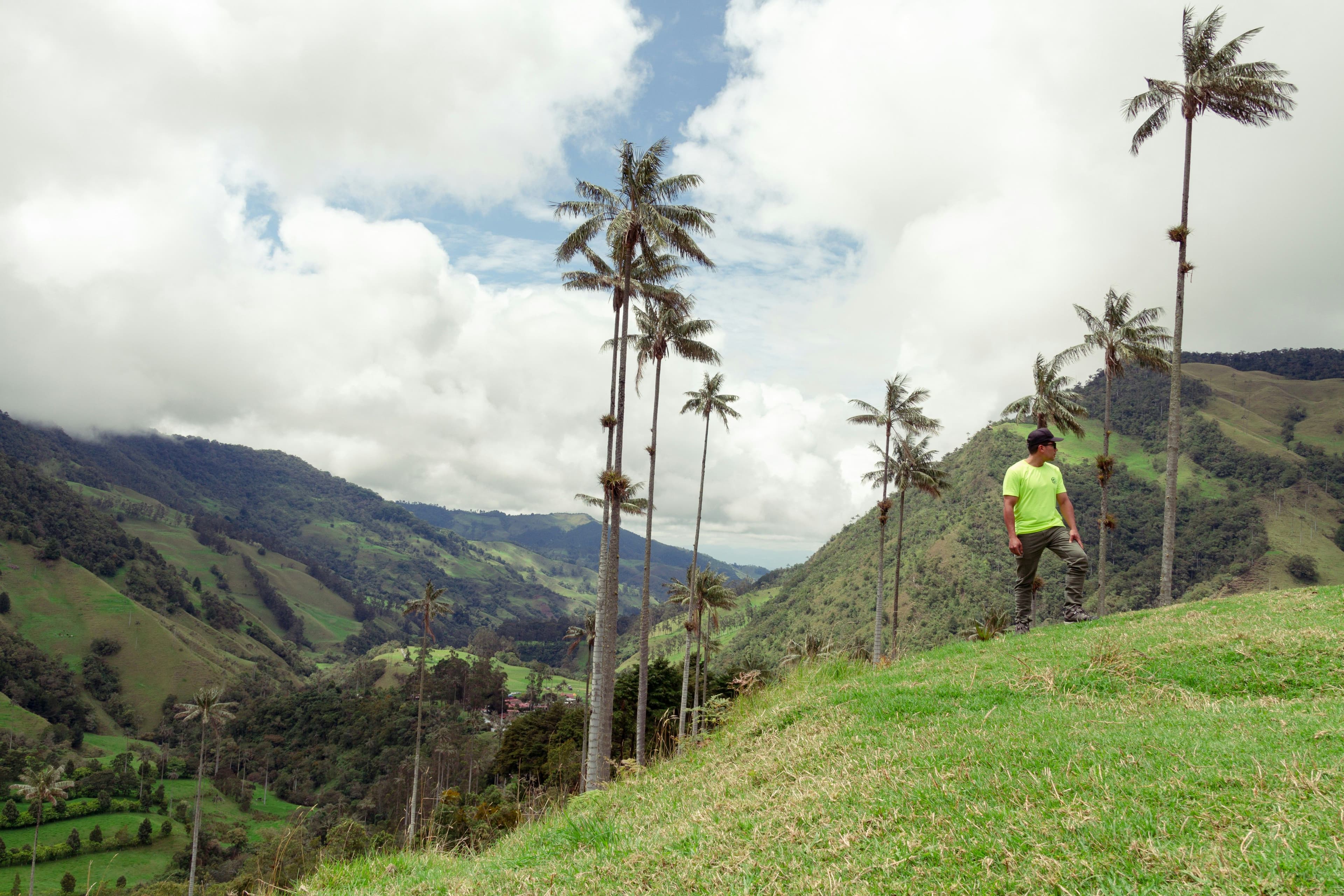
Walk among giant wax palms in Salento and Cocora Valley
Cooler air and misty green hills immediately tell you you’ve entered the coffee region. Giant wax palms inside Valle de Cocora rise ridiculously high above cloud covered mountains, the photos barely prepare you for how huge these trees actually look in real life. Muddy hiking trails, hanging bridges and hummingbirds continue appearing deeper into the valley, and horses still regularly pass you further along the mountain paths. Back in Salento itself, you’ll see colourful houses, little coffee bars and restaurants.
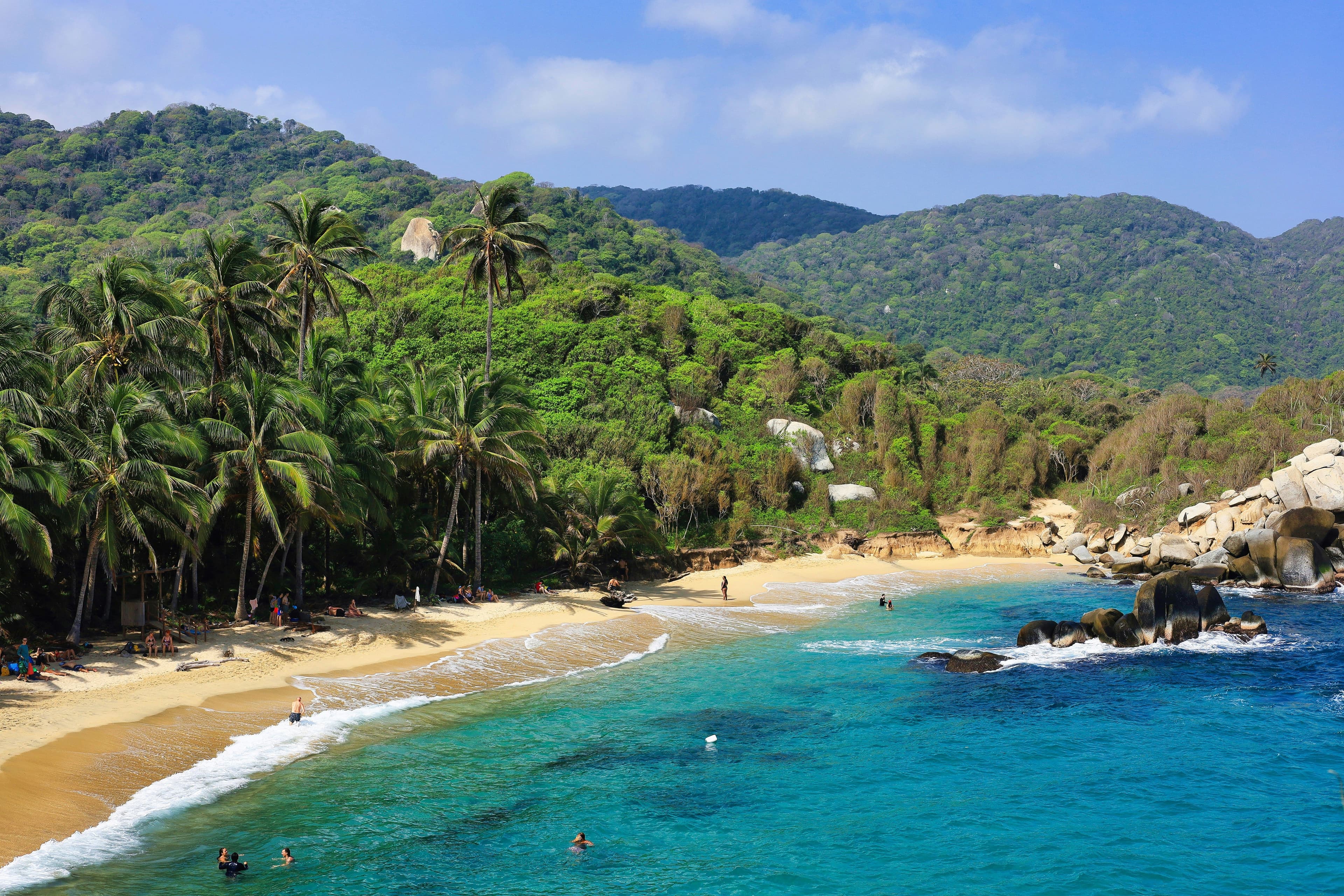
Relax near the beaches of Tayrona National Park
After sweating through jungle hiking trails for a while, you’ll probably enjoy the bright Caribbean beaches inside Tayrona National Park Colombia. Huge granite boulders, thick tropical forest and bright blue sea all come together here. Cabo San Juan usually becomes the most famous beach because hammocks and wooden huts sit directly beside the water, though quieter places like Playa Cristal work really nicely too for swimming and snorkelling. You can even spot monkeys, parrots and tiny lizards beside the walking trails.
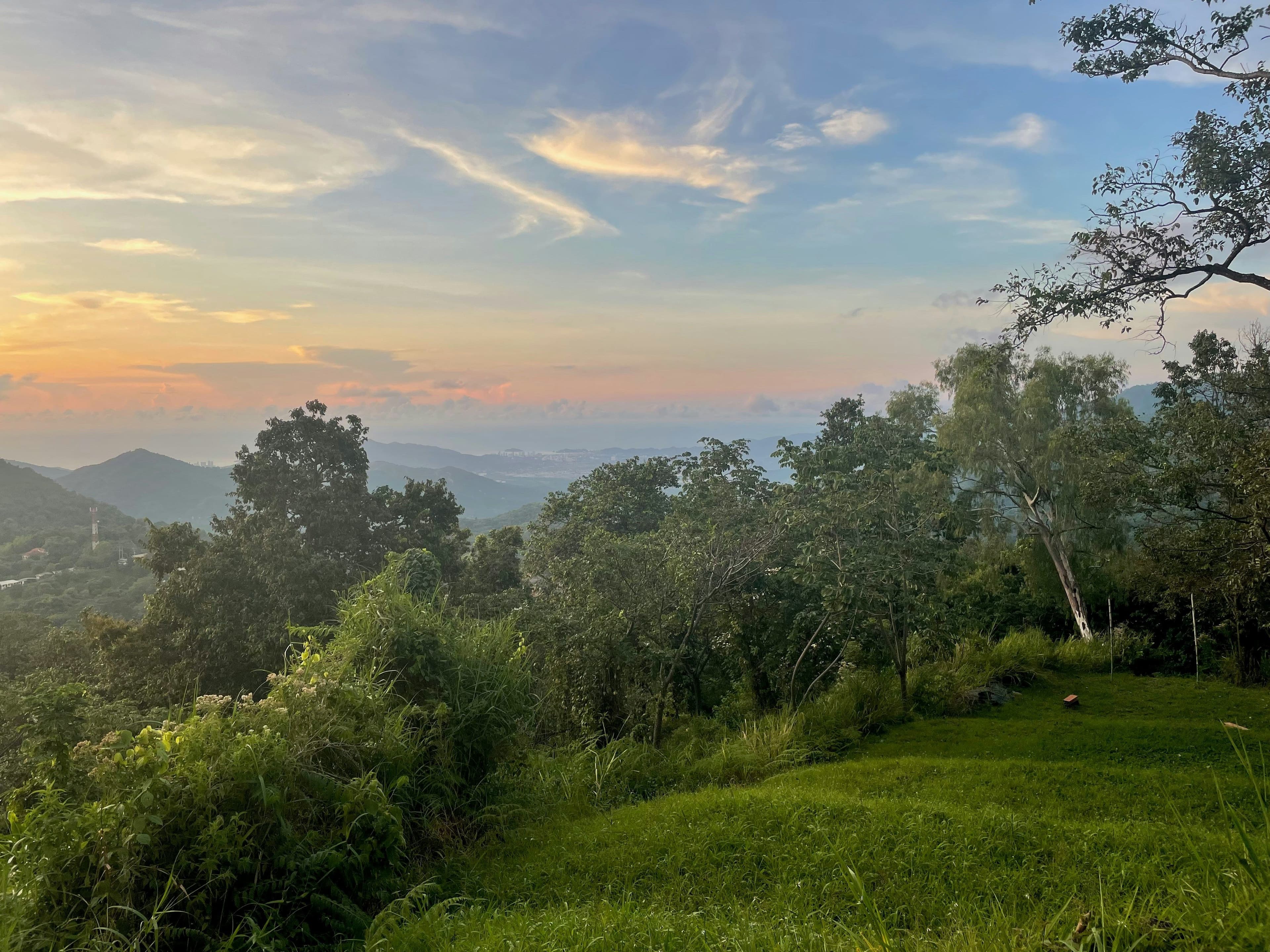
Slow down in the mountain town of Minca
After warmer days near the Caribbean coast, cooler mountain air in Minca can feel amazing. Here you’'ll find hidden waterfalls, jungle cafés and sunset terraces overlooking endless green hills. Motorcycles are the easiest way to move between coffee farms, swimming spots and viewpoints around town. Smaller hiking routes also lead towards rivers and natural pools where you can spend hours swimming beneath the trees.
Visit Guatapé and climb El Peñol
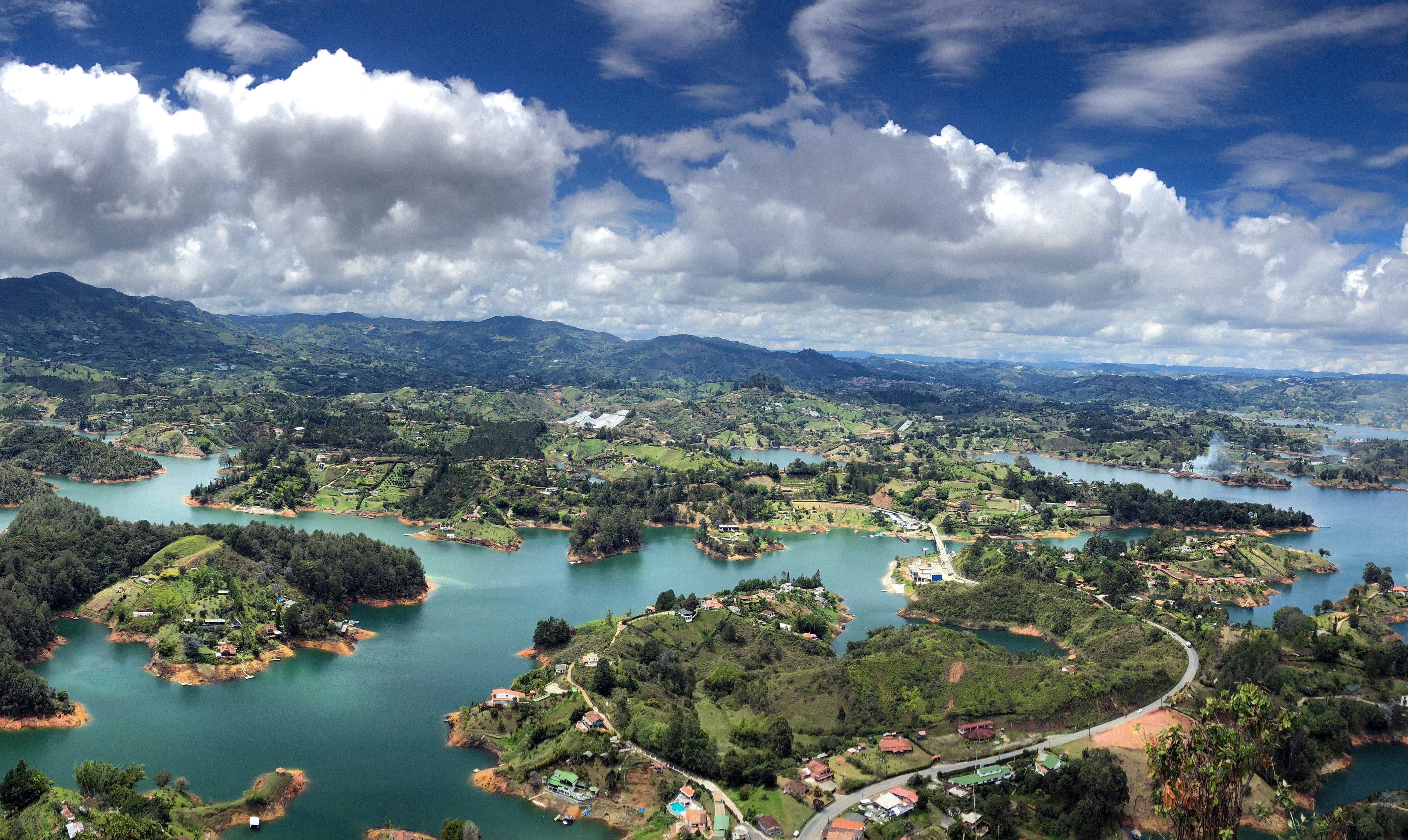
Colourful streets and giant blue lakes surrounding Guatapé make this town very beautiful. Massive granite rock formations rise high above the water nearby, and after climbing more than 700 stairs up El Peñol, you’ll see enormous lake views. Down below, boat tours, jet skis and waterfront cafés slowly fill up later during the afternoon when people arrive from Medellín. Painted murals covering almost every building also make simply walking around town fun.
Experience big city life in Bogotá
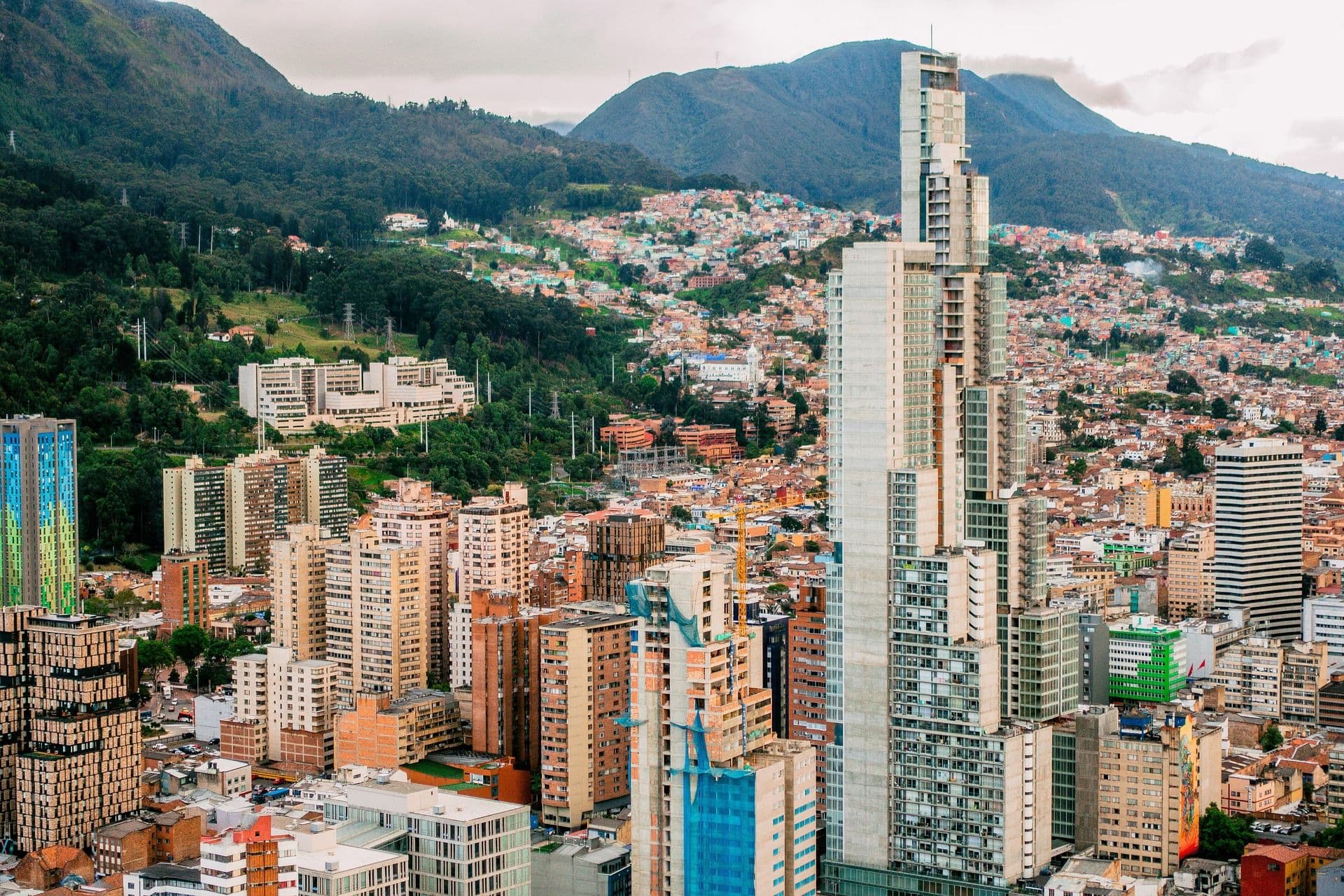
High above the city near Monserrate, cable cars carry you towards viewpoints overlooking millions of buildings spread across the valley below, and sunset from up there looks incredible. Inside La Candelaria, you’ll see steep streets fill with cafés, museums, and food stalls.
Go deep into the Amazon in Colombia, South America
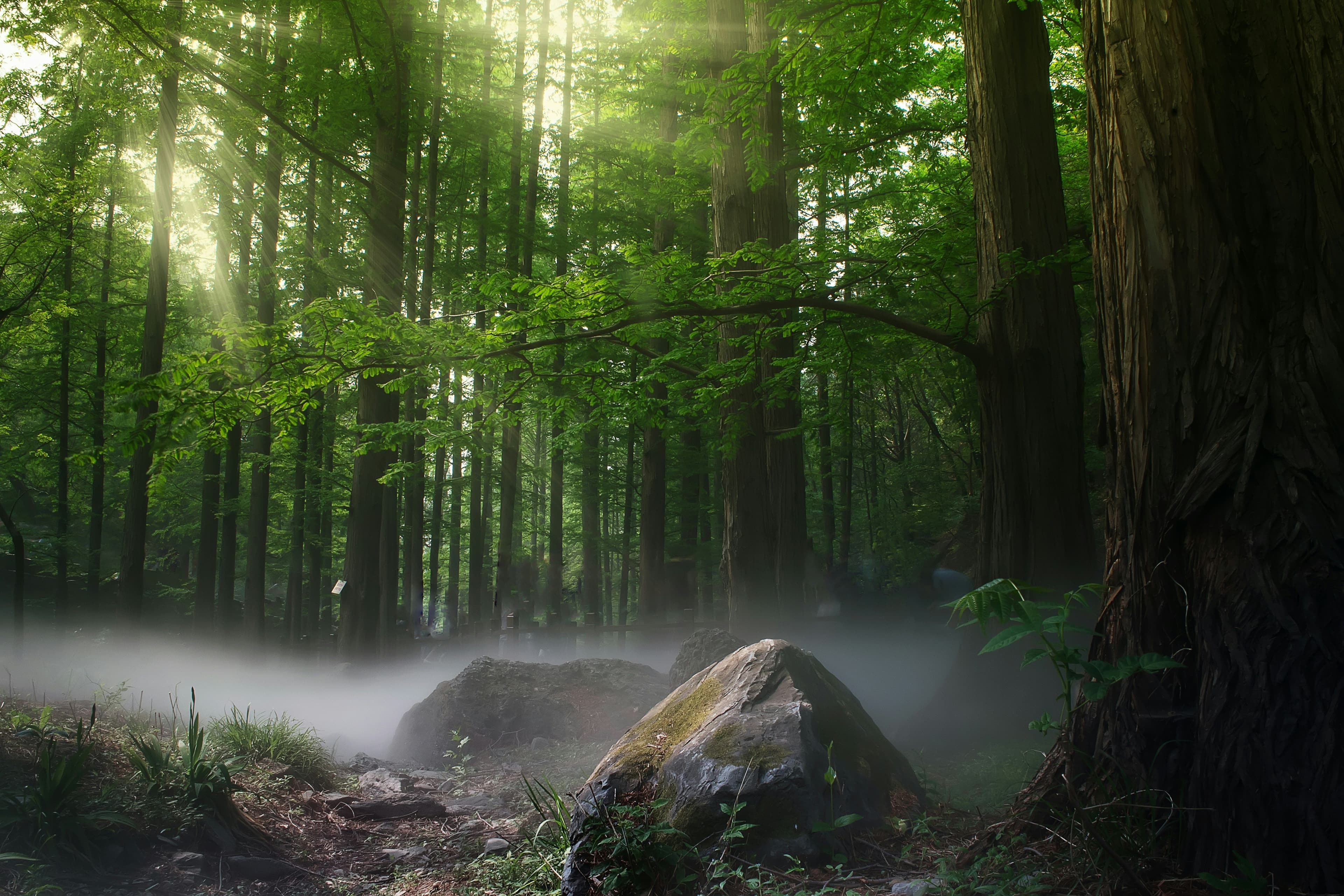
The Amazon is one of the largest rainforests on earth, and southern Colombia gives you direct access to some of its wildest regions. Most people enter through Leticia, a remote jungle town in the far south of the country that you can only really reach by domestic flight from Bogotá. Tour companies in Bogotá organise river trips, jungle hikes, wildlife spotting and overnight stays deeper inside the rainforest. The thick rainforest stretches endlessly in every direction, making this one of the wildest regions anywhere in Colombia. This area is definitely only for the more adventurous travellers.
Colombia itinerary ideas for your trip
Colombia has many places to see. Luckily, beaches, mountain towns, jungle regions and big cities all connect together surprisingly well once you plan your route logically, so you can experience completely different parts of the country during one trip. We’ve put together a few Colombia itinerary ideas that connect the best regions, so you spend less time figuring out transport and more time outside exploring.
10 day Colombia itinerary for first timers
Day 1 to 3: Cartagena, rooftop bars, island boat trips and Caribbean streets
Day 4: Rosario Islands, snorkelling and beach clubs
Day 5 to 7: Medellín, Comuna 13, cafés and nightlife
Day 8: Guatapé and El Peñol
Day 9: Salento and Cocora Valley
Day 10: Bogotá and Monserrate
Shorter domestic flights help a lot during this route because travelling overland takes much longer. Beaches, mountain towns and major cities all fit nicely into one trip here without needing to constantly move every single day.
2 week Colombia itinerary with beaches and mountains
Day 1 to 3: Cartagena and island boat trips
Day 4 to 5: Tayrona beaches and jungle hikes
Day 6 to 7: Minca waterfalls and coffee farms
Day 8 to 11: Medellín and Guatapé
Day 12 to 14: Salento and Cocora Valley
3 week Colombia trip through different regions
Day 1 to 3: Bogotá and Monserrate
Day 4 to 6: Salento and Cocora Valley
Day 7 to 10: Medellín and Guatapé
Day 11 to 14: Cartagena and Rosario Islands
Day 15 to 17: Tayrona and Minca
Day 18 to 21: Leticia and the Amazon
Guided tip: Flying into Bogotá and leaving from Cartagena, or the opposite direction, usually saves loads of unnecessary domestic flights later during your trip.
Looking for more inspiration? Explore these trips:
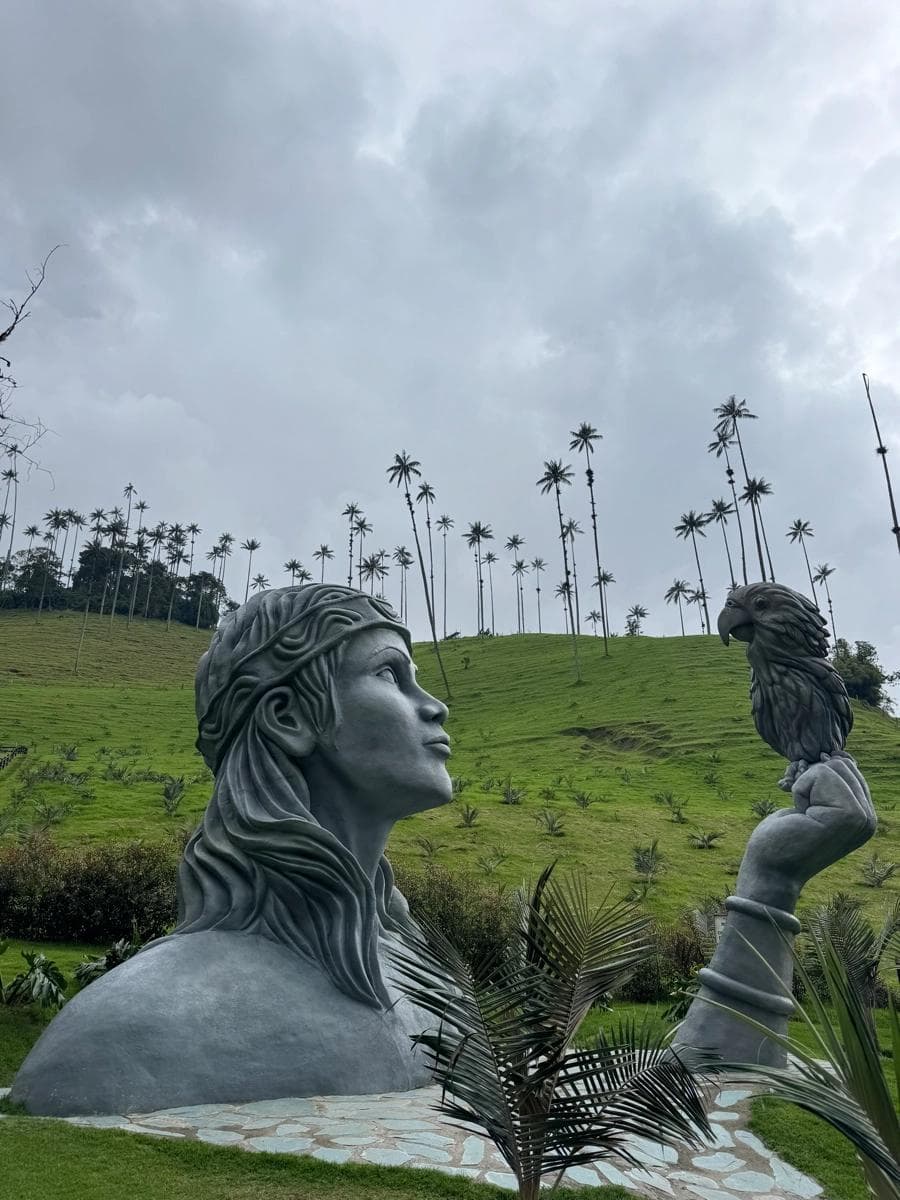
Fun things to do in Colombia
Now that you know where to go when traveling through Colombia, you can start thinking of the activities you’d like to do. Are you more into salsa bars and rooftop drinks, or jungle hikes and boat trips? Let’s see which of Colombia's attractions fit your trip.
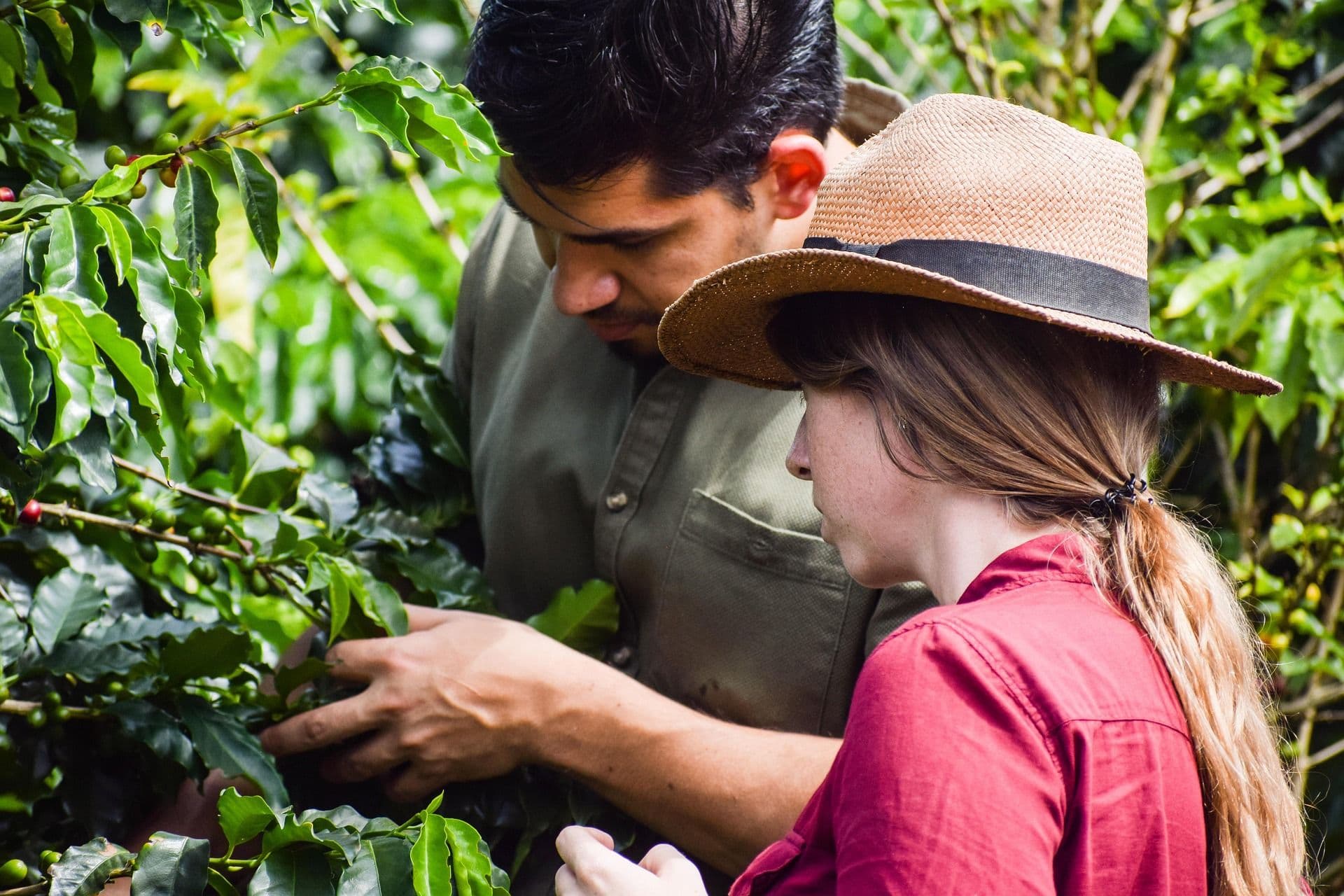
Visit coffee farms in Colombia’s coffee region
Up in the mountains near Salento and Filandia, coffee farms completely take over the hills around you. You’ll usually start with a short walk through the plantations before local families explain how the beans are picked, dried and roasted. Which is one of the most interesting things to see in Colombia. Tasting coffee right where it’s grown is a really unique experience.
Go hiking through Cocora Valley
Straight out of Salento, old Willys jeeps head up towards Valle de Cocora every morning packed with hikers hanging out the back. You’ll spend most of the hike moving through cloud forest, muddy mountain trails and hanging bridges before giant wax palms start appearing everywhere around you. You’ll need proper hiking shoes here because wetter sections can get slippery pretty quickly. Full loops usually take somewhere around 4 to 6 hours depending how many stops you make for photos or lunch along the route.
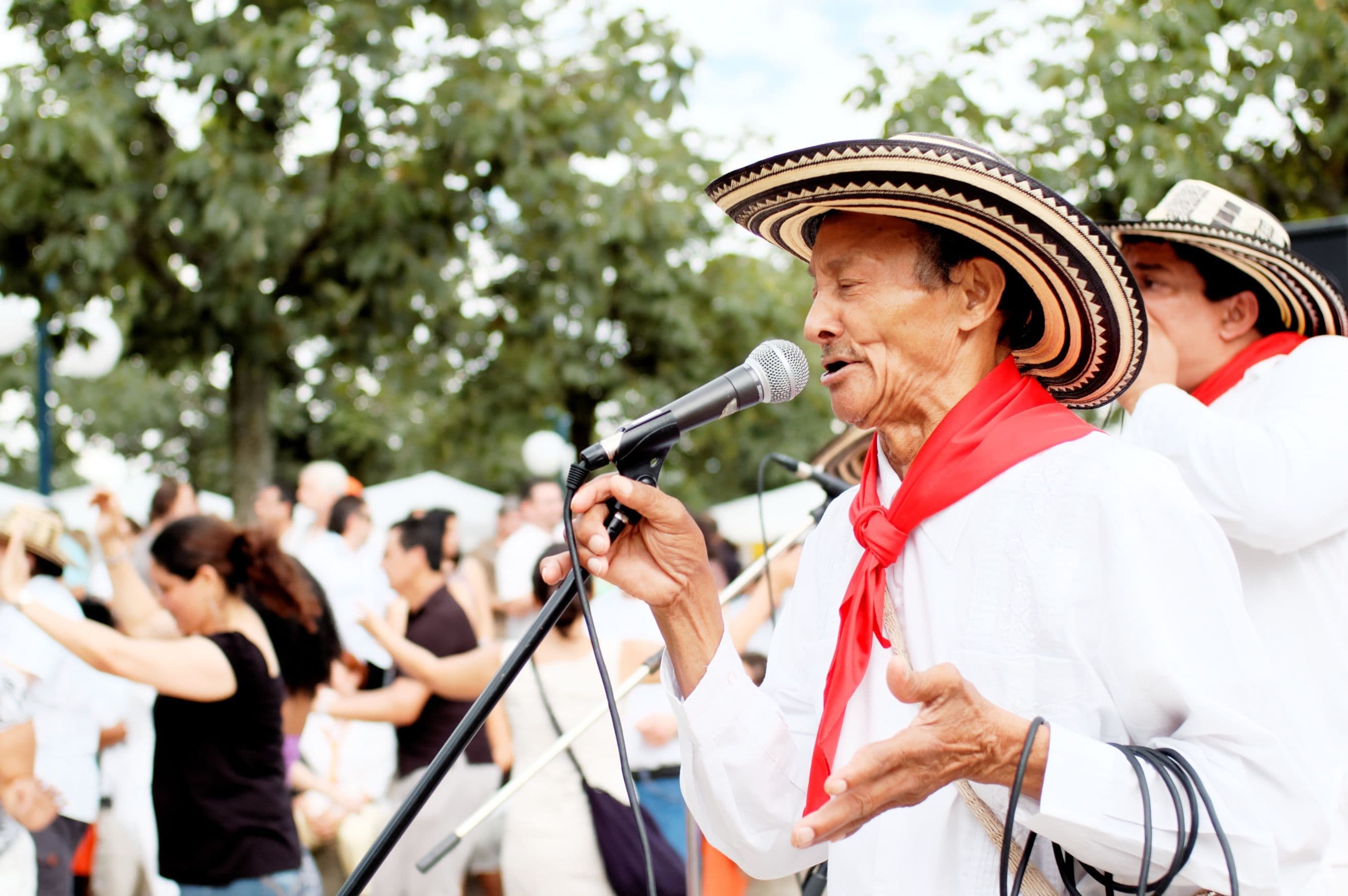
Dance salsa until late in Cali
Inside Cali, salsa isn’t just nightlife, it’s part of everyday life there. You’ll notice pretty quickly that huge groups of locals genuinely go dancing several nights every week, and places like La Topa Tolondra or Tin Tin Deo stay busy far into the night with live music.
Take a boat trip to the Rosario Islands
Only about an hour outside Cartagena, there is bright turquoise water on small tropical islands. You’ll normally leave the harbour fairly early in the morning before boats spread out across the Rosario Islands towards beach clubs, snorkelling spots and quieter beaches where the water stays unbelievably clear on sunny days. Full day tours normally include lunch and snorkelling gear, though private boats work really nicely too if you’re travelling with friends or family and want more freedom during the day.
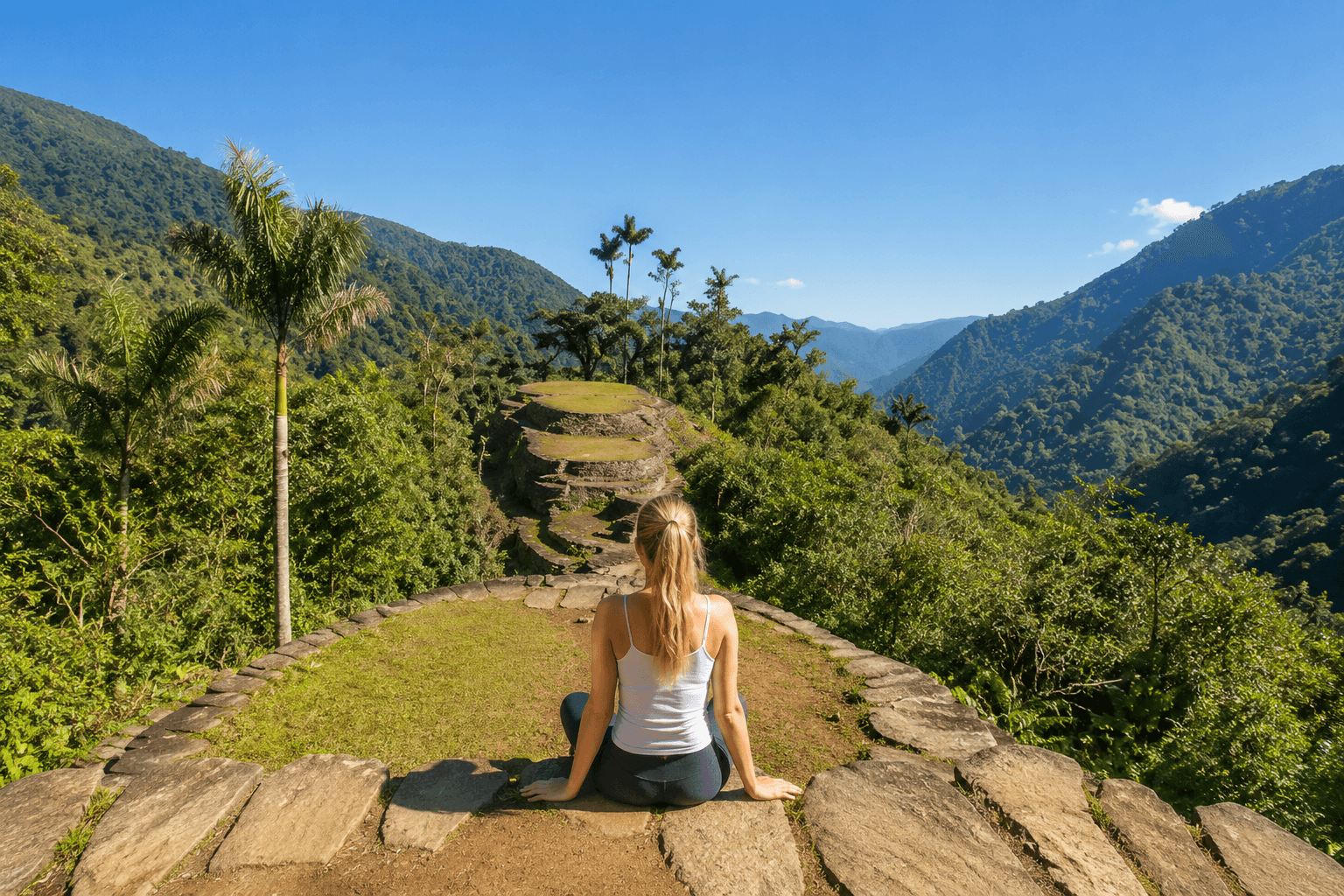
Trek through the jungle to the Lost City
Deep in the jungle near Santa Marta, ancient stone terraces slowly appear through the mountains after days of hiking. You’ll spend around 4 or 5 days trekking towards Ciudad Perdida, crossing rivers, climbing muddy jungle paths and sleeping in simple camps hidden deep in the rainforest. Most tours include food, accommodation and local guides. And when you finally arrive at the stone terraces after days of hiking through the jungle, the whole lost city trek feels incredibly rewarding.
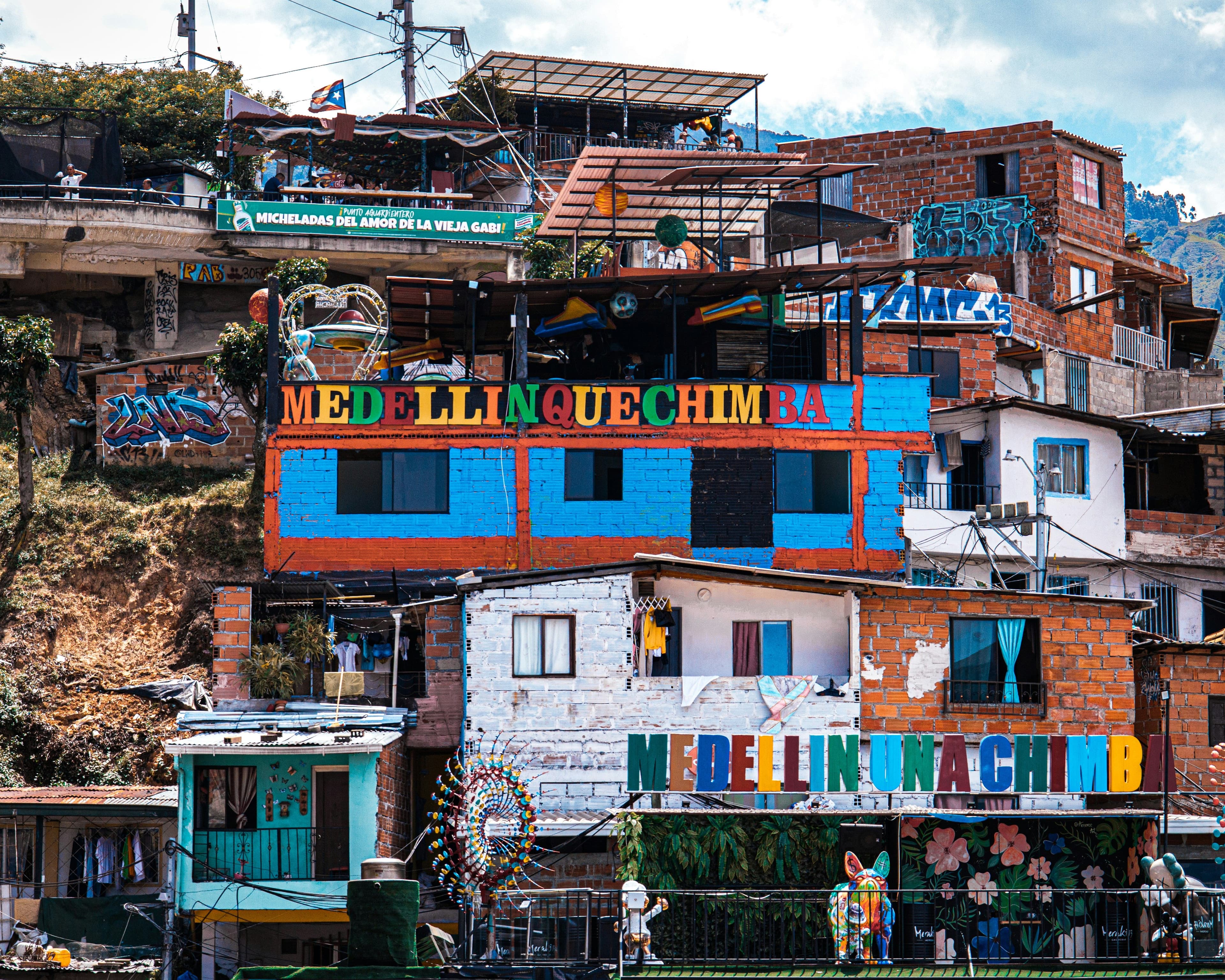
Explore street art and local food in Medellín
Over in Comuna 13, giant murals and outdoor escalators completely changed one of Medellín’s most famous neighbourhoods. You’ll walk past rappers, breakdancers, food stalls and graffiti artists almost constantly here. Fresh mango, empanadas and fruit juices also pop up everywhere during your walk.
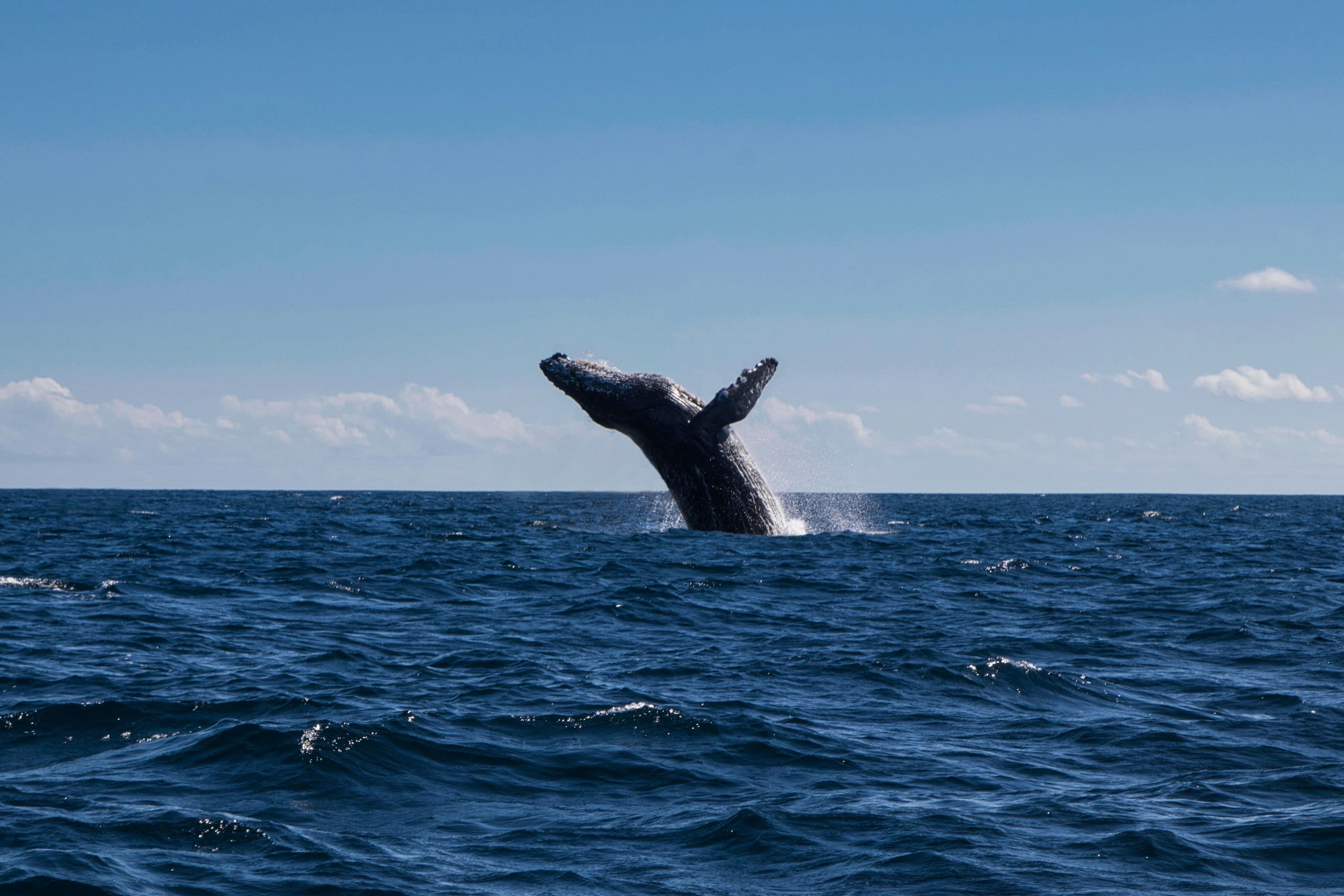
Go whale watching on Colombia’s Pacific Coast
Far out along Colombia’s Pacific coastline, humpback whales arrive yearly from around July until October. You’ll head out by boat near places like Nuquí or Bahía Solano searching the ocean for whales jumping above the water, and seeing one suddenly appear beside the boat feels unreal the first time it happens. Black sand beaches, thick rainforest and tiny fishing villages also make this coastline completely different from the Caribbean side of Colombia.
Best time to visit Colombia
Different parts of Colombia work best during completely different months, so timing really depends on what kind of trip you want most. Beach weather, mountain hikes and whale watching season all happen at different times throughout the year.
December to March: drier weather for Cartagena, Medellín and much of the caribbean coast in Colombia
April and May: greener mountain regions around Salento and Cocora Valley, with rain
July and August: really good months for hiking, mountain trips and whale watching
October and November: wetter weather across many regions
Not sure when to go? Read our guide about the best time to visit Colombia, where you’ll find exactly when to go for beaches, cities, hiking, road trips and more.

Did you know you can create your own itinerary?
Now that you know the most unique places of interest in Colombia you can start creating your own trip. Do you want more time around Caribbean beaches, and salsa bars, or are you thinking more about jungle hikes and coffee farms high in the Andes? It’s all up to you. You can easily create your own trip in the Guided app for free, or use trips shared by others.
Where to stay in Colombia
Most people immediately look at Cartagena or Medellín first, though other regions can fit your trip much better depending on what kind of days you want. Let’s take a look at your options.
Stay in Cartagena if you want beaches and nightlife
Right inside Cartagena’s old city walls, rooftop bars, restaurants and colourful streets stay active long after sunset. You’ll stay close to island boat trips, beach clubs and nightlife here, and neighbourhoods like Getsemaní work really nicely if you want bars, music and restaurants all within walking distance from your hotel.
Base yourself in Medellín for cafés and day trips
Compared to Cartagena, Medellín immediately feels cooler, greener and much more modern once you arrive. You’ll find most cafés, hotels and nightlife around El Poblado or Laureles, and public transport plus the famous cable car system make getting around the city surprisingly easy. And you can easily visit Guatapé, waterfalls and smaller mountain villages without needing long travel days.
Choose Salento for hiking and mountain views
Up in the mountains near Cocora Valley, Salento gives you a much slower side of Colombia. You’ll stay close to hiking trails, horse riding routes and coffee farms here, and most guesthouses sit within easy walking distance from the colourful town centre filled with little cafés and restaurants. Smaller guesthouses overlooking the mountains also create amazing sunrise views.
Stay near Tayrona if you want jungle and beaches together
Closer towards the Caribbean coastline near Tayrona national park, jungle lodges and beach cabins completely surround you. You can either stay near El Zaino close to the park entrance or further along the coast near Palomino if beach bars and surfing interest you more. There are buses running along the coast towards Minca or La Guajira. Alternatively, eco lodges hidden through the jungle can also be a nice option because you wake up directly beside tropical forest and Caribbean beaches.
Spend a few nights in Bogotá for museums and food
Coming from Colombia’s warmer coastal regions, Bogotá instantly feels completely different because of the colder mountain temperatures and huge city atmosphere. You’ll stay closest to restaurants, bars and cafés around Chapinero or Zona Rosa, though older neighbourhoods near La Candelaria work much better if museums and colonial streets interest you more.
Guided tip: Weekend prices around Cartagena and Medellín can jump up pretty quickly, so weekday stays usually give much better hotel deals.
How to get around during a trip to Colombia
Now that you know which regions you want to visit, the next step is figuring out how to connect everything together without spending half your holiday stuck inside buses or airports. Luckily, domestic flights inside Colombia can be surprisingly affordable.
Use domestic flights for longer routes
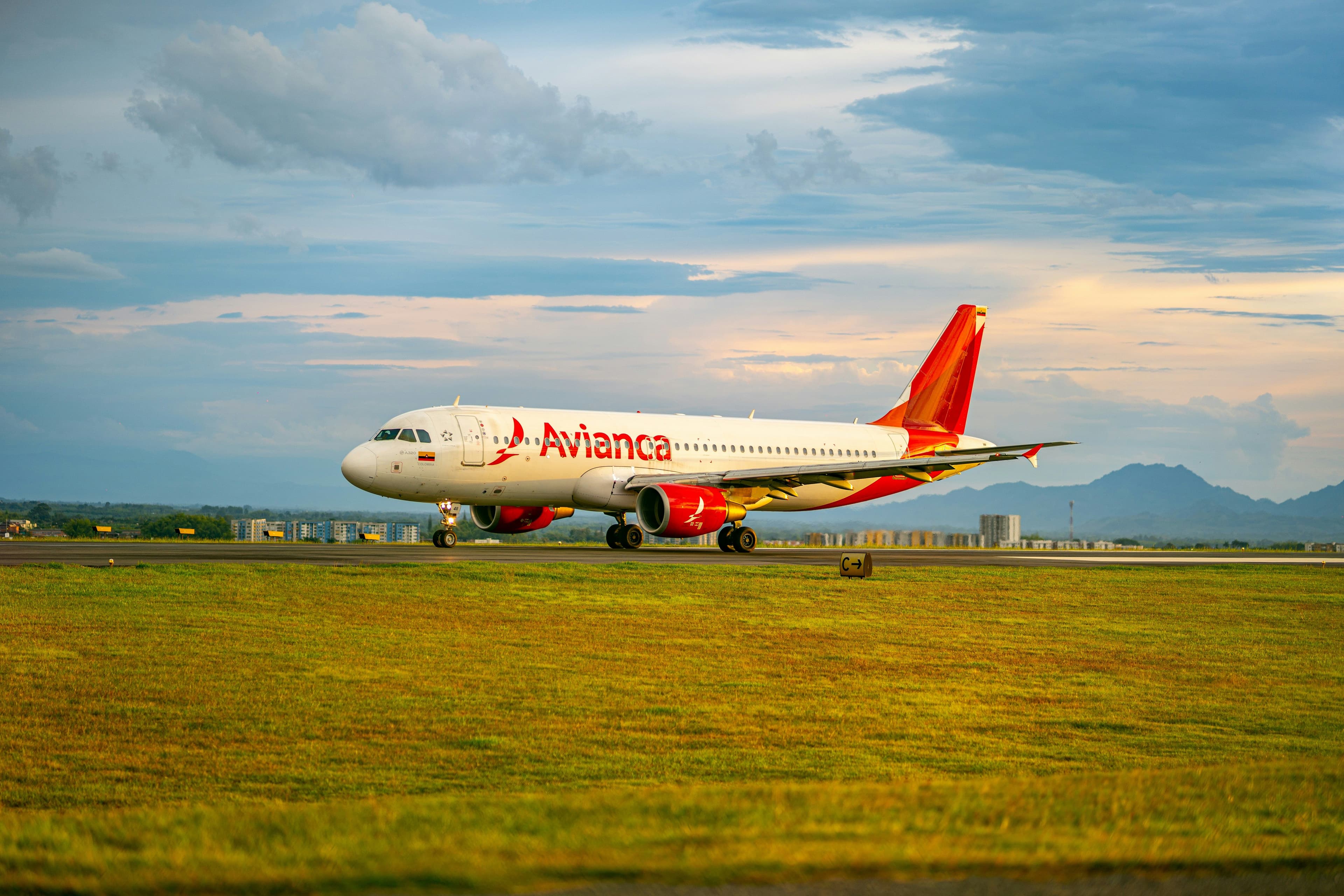
Inside Colombia, flying usually saves massive amounts of time once you start moving between regions. You can fly from Bogotá to Medellín in around one hour, Medellín to Cartagena in roughly 1 hour and 15 minutes, and Cartagena down towards Leticia near the Amazon in around 2 hours with a connection through Bogotá. Cheap airlines like Avianca, LATAM, Wingo and JetSMART all run domestic routes daily.
Use buses for shorter regional routes
Closer regional routes work well by bus. You can travel from Medellín to Guatapé in around 2 hours, Salento to Pereira in roughly 1 hour, and Santa Marta towards Tayrona in about 45 minutes depending on traffic along the coast. You can use websites like Busbud and RedBus to check schedules.
Use Uber and local apps inside larger cities
Inside bigger Colombian cities, Uber generally works well. You’ll notice pretty quickly that Bogotá and Medellín traffic can become pretty intense during busier hours. Medellín’s metro system also works really well compared to many other South American cities, and the famous cable car lines connect neighbourhoods higher into the hills too.
Guided tip: Domestic flights inside Colombia usually become much cheaper when you avoid Friday evenings and Sunday return flights, because local weekend trips push prices up pretty quickly.
Colombian food and drinks you should try
Colombia’s food culture comes from a mix of indigenous traditions, Spanish influences and Caribbean flavours like coconut rice, grilled seafood, fried plantain and tropical fruits. Here are a few things you really don’t want to miss when you visit Colombia.
Try bandeja paisa in Medellín
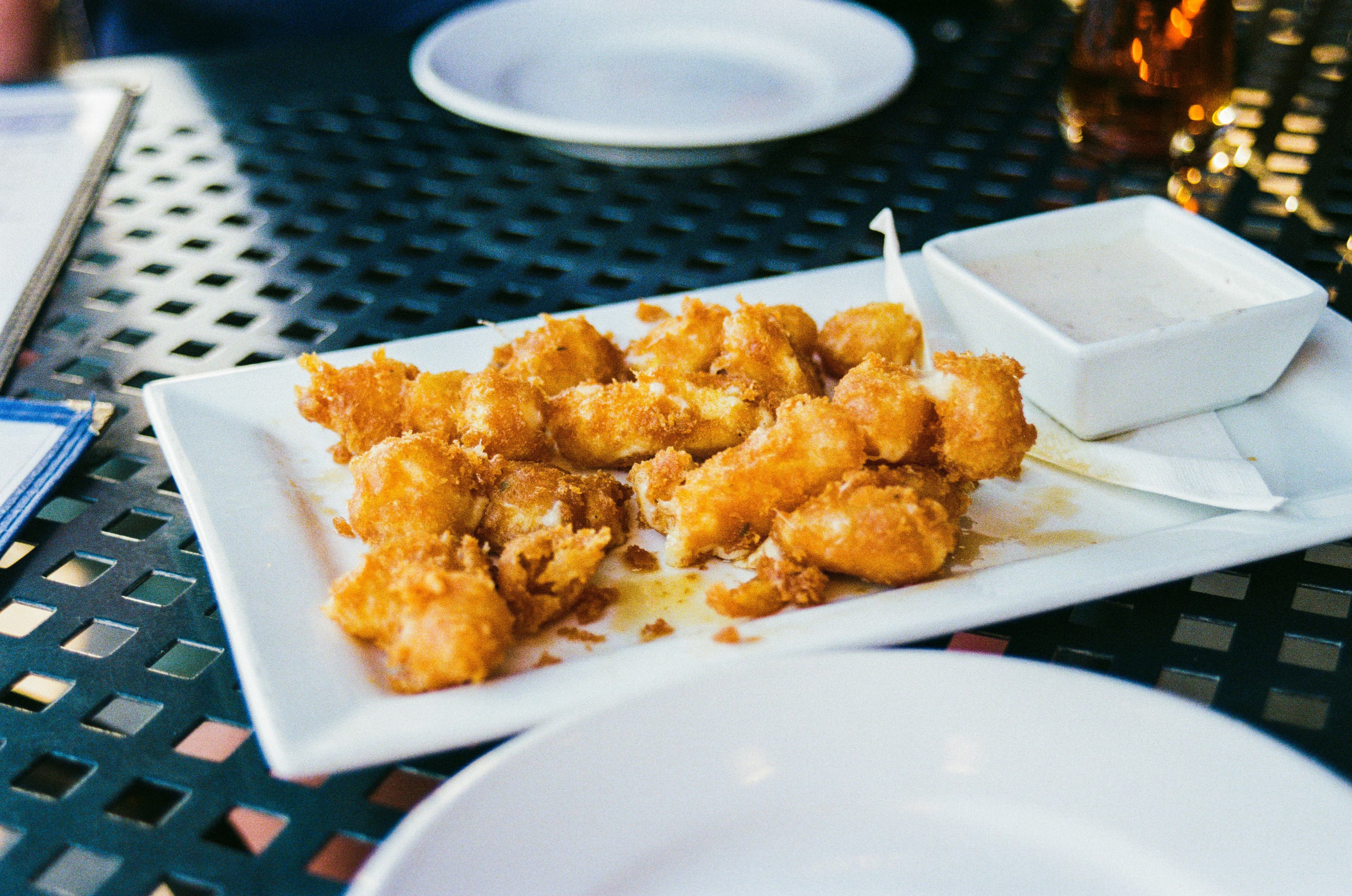
Over in Medellín and the Antioquia region, bandeja paisa basically arrives at your table looking large enough for two people. You’ll get rice, beans, avocado, minced meat, fried egg, sausage, pork belly and sweet fried plantain all on one giant plate, because historically this meal originally fed farmers working long days in the mountains. Bigger lunches normally happen during the afternoon in Colombia too, so this dish works much better around lunchtime than late at night.

Eat fresh seafood along the Caribbean coast
Closer towards Cartagena, Santa Marta and the islands, seafood starts appearing almost everywhere on restaurant menus. You’ll usually find grilled fish, coconut rice, ceviche and fried shrimp served near the beach. Garlic sauces, lime and coconut flavours also appear constantly along the Caribbean coastline here.
Try ajiaco soup in Bogotá
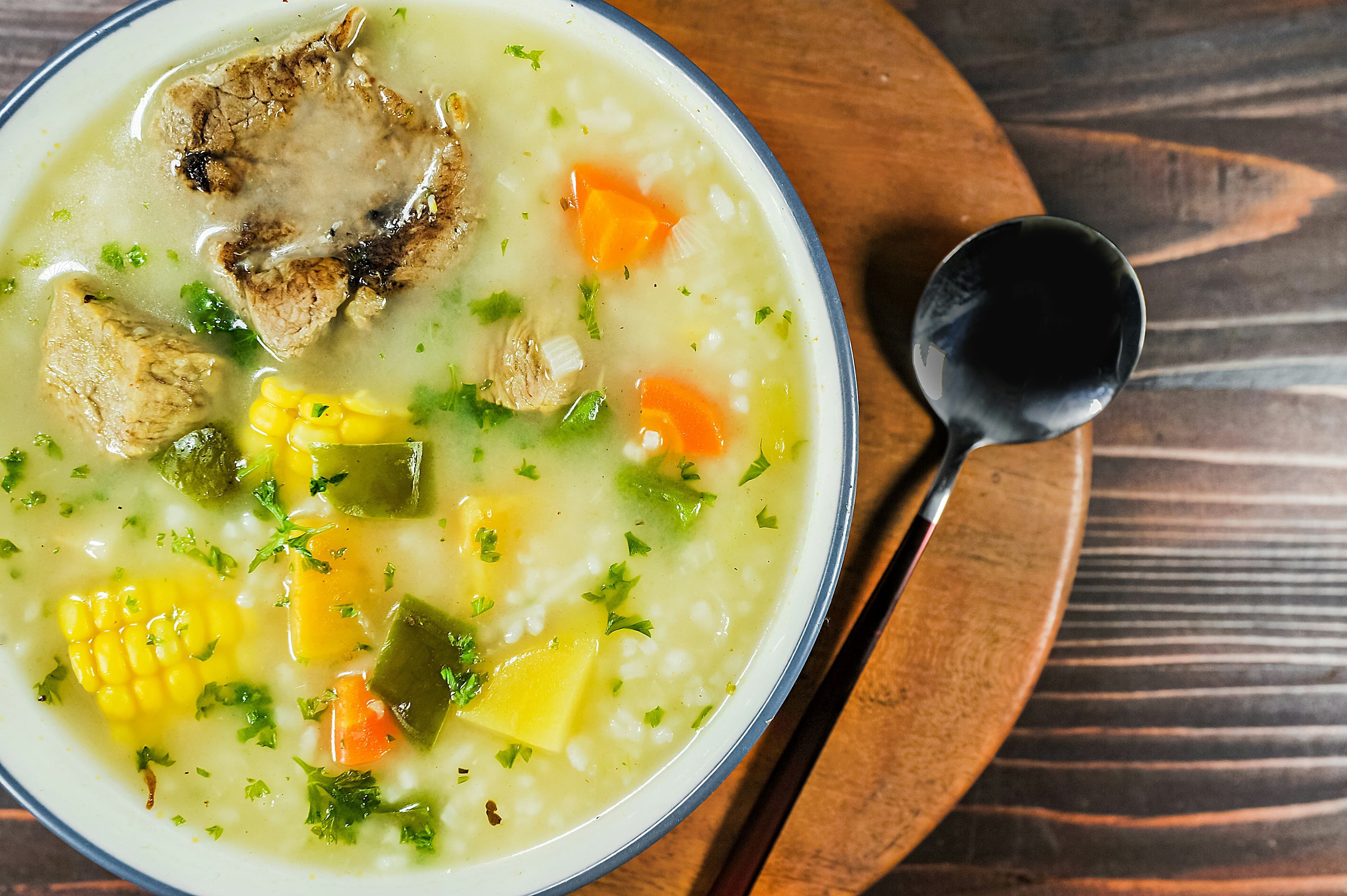
Up in Bogotá’s colder mountain climate, you can try ajiaco. This is a thick chicken soup, with potatoes, corn and herbs all cooked together slowly. Local restaurants normally serve it with avocado, rice and cream on the side too.
Drink Colombian coffee where it’s actually grown
Near Salento and the small towns spread throughout the mountains, coffee tastes completely different once you drink it close to where it’s grown. You’ll notice lighter flavours, fruitier notes and way less bitterness compared to coffee many people drink back home.

Grab arepas from local street stalls
Almost every region prepares arepas slightly differently, which makes trying them much more fun throughout your trip to Colombia. You’ll find grilled corn cakes stuffed with cheese, meat, eggs or chicken sold from tiny street stalls, bus stations and local cafés all across the country. And many Colombians eat them daily for breakfast or quick snacks during the afternoon.

What is the culture like in Colombia?
Did you know huge parts of Colombia still carry traces from Spanish colonial history, indigenous traditions and African influences all at the same time? Colourful colonial streets inside Cartagena, mountain villages through the Andes and Caribbean towns filled with salsa music all tell completely different stories about how Colombia slowly developed over centuries.
Back during Spanish colonial times, gold, trade routes and Caribbean ports became very important for cities like Cartagena and Bogotá, and you still see that history today through old churches, giant plazas and colonial buildings spread throughout older neighbourhoods. Far beyond the bigger cities, indigenous traditions still stay deeply connected to daily life too, particularly through weaving, farming, food and spiritual customs in mountain and jungle regions.
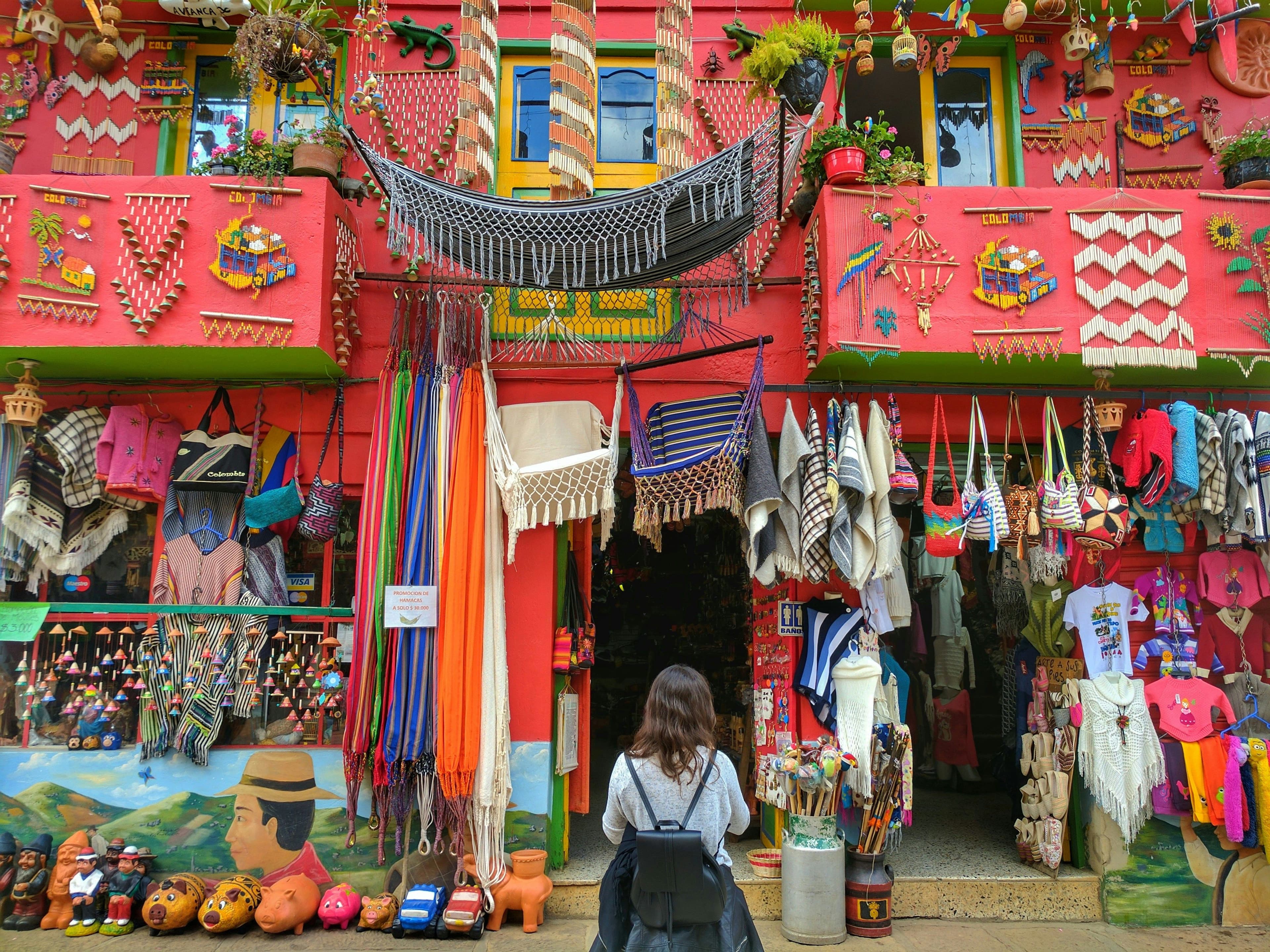
Music also changes constantly depending on where you are, because Caribbean regions lean heavily into salsa and cumbia, though mountain cities like Medellín and Bogotá usually lean more towards reggaeton, electronic music, live bands and modern nightlife culture. Smaller villages and mountain regions usually move much slower compared to Bogotá or Medellín, which is one of the nicest parts about travelling through Colombia because every stop genuinely gives you a completely different side of the country. Though, no matter where you travel in Colombia, long meals with grandparents, cousins and relatives on Sunday afternoons remain a massive part of everyday life.
Looking for more unique places, trips and activities?
Subscribe to our Guided Newsletter for more travel inspiration.
Costs of a trip to Colombia
Planning to visit Colombia and wondering what things will cost once you get there? Beach clubs and boutique hotels in places like Cartagena can be more on the high end, though local restaurants, buses and domestic flights usually stay much cheaper. Let’s take a look at the average prices for a trip to Colombia.
Food & Drink

Coffee
5k – 12k COP
Lunch
15k – 40k COP
Beer
6k – 15k COP
Accommodation

Hotels
180k – 600k COP
Airbnb
120k – 450k COP
Hostel dorm
35k – 90k COP
Transport

Domestic Flights
180k – 450k COP
Public Transport
3k – 8k COP
Car Rental
150k – 320k COP
Attractions

Museums
10k – 35k COP
Big Attractions
80k – 2.2M COP
Theatre
40k – 180k COP
Practical tips for visiting Colombia
First time visiting Colombia, and wondering what you should sort before arriving? If you’ve never been to Colombia before, it’s nice to know a few things about the country before arriving. We’ve gathered a few practical tips that can make your trip smoother once you start travelling around Colombia.
✔ Carry small cash notes during bus rides and smaller stops
In Colombia, the local currency is the Colombian peso (COP). Outside bigger Colombian cities, smaller restaurants, buses and local shops still regularly prefer cash payments in Colombian pesos over cards. Smaller notes also help because taxi drivers and local food stalls don’t always carry enough change for larger bills.
✔ Download offline Google Maps before longer travel days
You’ll save yourself loads of stress later if you download maps for places like Salento, Tayrona or Medellín before leaving your hotel WiFi. Offline Google Translate also becomes useful when menus or bus stations don’t have English translations.
✔ Keep extra clothes in your backpack during domestic flights
Hot Caribbean afternoons and cold mountain evenings can happen inside the same trip in Colombia. You can leave Cartagena sweating in 33 degrees, then arrive in Bogotá later the same evening needing a jumper because temperatures are closer to 10 or 12 degrees at night. So make sure to carry at least one extra hoodie or rain jacket.
✔ Avoid arriving at bus terminals late at night
You’ll notice bigger terminals around Bogotá or Medellín become more chaotic later at night. Earlier buses usually create much easier arrivals because Uber drivers, taxis and local transport all stay more active during the day.
✔ Book Tayrona accommodation before arriving
Places near Tayrona national park fill up surprisingly quickly during busier months, particularly around December, January and Easter holidays. Smaller eco lodges and beachfront cabins around El Zaino or Costeño Beach usually disappear first because there simply aren’t that many hotels.
✔ Buy a local SIM card after arriving in Colombia
Mobile data becomes really useful once you start booking Ubers, checking bus schedules or translating Spanish menus during your trip. SIM cards from Claro usually give the strongest coverage throughout Colombia, particularly once you leave bigger cities and start travelling through mountain towns or coastal regions.
Fun facts about Colombia
Coffee, salsa and Caribbean beaches are usually the first things people picture before visiting Colombia, though there’s so much more happening here. Long traditions, special foods and wild geography all somehow exist together inside one country, which is exactly what makes Colombia so fun to explore.
More bird species live in Colombia than anywhere else, with over 1,900 different species recorded.
Hot chocolate with melted cheese inside is completely normal in Bogotá.
The wax palms inside Cocora Valley can grow taller than 60 metres.
Cartagena was one of the most attacked pirate cities in the Caribbean because of Spanish gold trade.
Football matches inside Colombia can completely take over restaurants, bars and city streets.
Several indigenous communities still live deep inside jungle and mountain regions.
One moment you’re standing beneath giant wax palms somewhere high in the Andes, and only days later you’re drinking cocktails beside Caribbean beaches with salsa music playing through the streets around you. Colombia truly feels like a world in itself. Connecting with locals can become one of the best parts of the trip too, joining huge family lunches, eating local food like arepas and bandeja paisa, then ending the evening dancing salsa inside colourful bars and cafés. Colombia is the right destination if you like variety, nature, nightlife, beaches and trips where every region feels completely different from the last.
Ready to map out your trip to Colombia
We hope this Colombia travel guide has given you a clear starting point for your trip. Stay tuned for more inspiration, itineraries and practical tips to help you shape your perfect trip to Colombia. And don’t forget to check out our Guided app, where you can create your own trip or use trips shared by other travellers for free.
FAQS about Colombia trips
- Is Colombia safe for tourists right now?
Recently, violent incidents and unrest have happened near border regions with Venezuela and in some remote Pacific Coast areas, which is why the government currently advises against travel to certain parts of Colombia. Please check up to date travel advice for Colombia before booking flights, particularly if you’re planning routes through remote jungle or border regions.
That being said, main tourist regions like Cartagena, Medellín, Salento and Bogotá receive huge numbers of international visitors every year now, and most people travelling through these areas experience Colombia without major problems when using normal street awareness and trusted transport apps.
- How many days do you need in Colombia?
- Do you need Spanish in Colombia?
- Which part of Colombia is best for first timers?
- Where is Colombia located in South America?
- What is the capital of Colombia and where is Bogotá?
- Where is cali in Colombia?
- Where is Medellin in Colombia?