

Chile
Travelling through Chile: your complete guide to planning the perfect trip
Some countries give you one type of trip, Chile quietly gives you five in one go. Along a single north to south journey, you move from one of the driest places on Earth in the Atacama Desert to ice fields and fjords in Patagonia. There are not many places where you can go stargazing at 2,400 metres altitude, then sit in a vineyard the next day, and finish your trip with a hike among granite peaks and turquoise lakes in Torres del Paine. This is exactly what makes travelling through Chile so interesting. The hardest part is not finding places to see in Chile, but deciding how to connect them in a way that actually works. This travel guide helps you link those regions together, plan your route clearly, and start your trip with excitement and confidence.
5 reasons to visit Chile
Some places give you one highlight, Chile keeps changing every few days, and that is exactly what makes it so interesting to plan.
Few destinations in South America let you experience such different climates within one trip.
A single journey takes you from the Atacama Desert to glaciers, without leaving the country.
Around Torres del Paine, you can walk towards glacier viewpoints without needing experience
Remote regions still feel untouched compared to more visited destinations in South America.
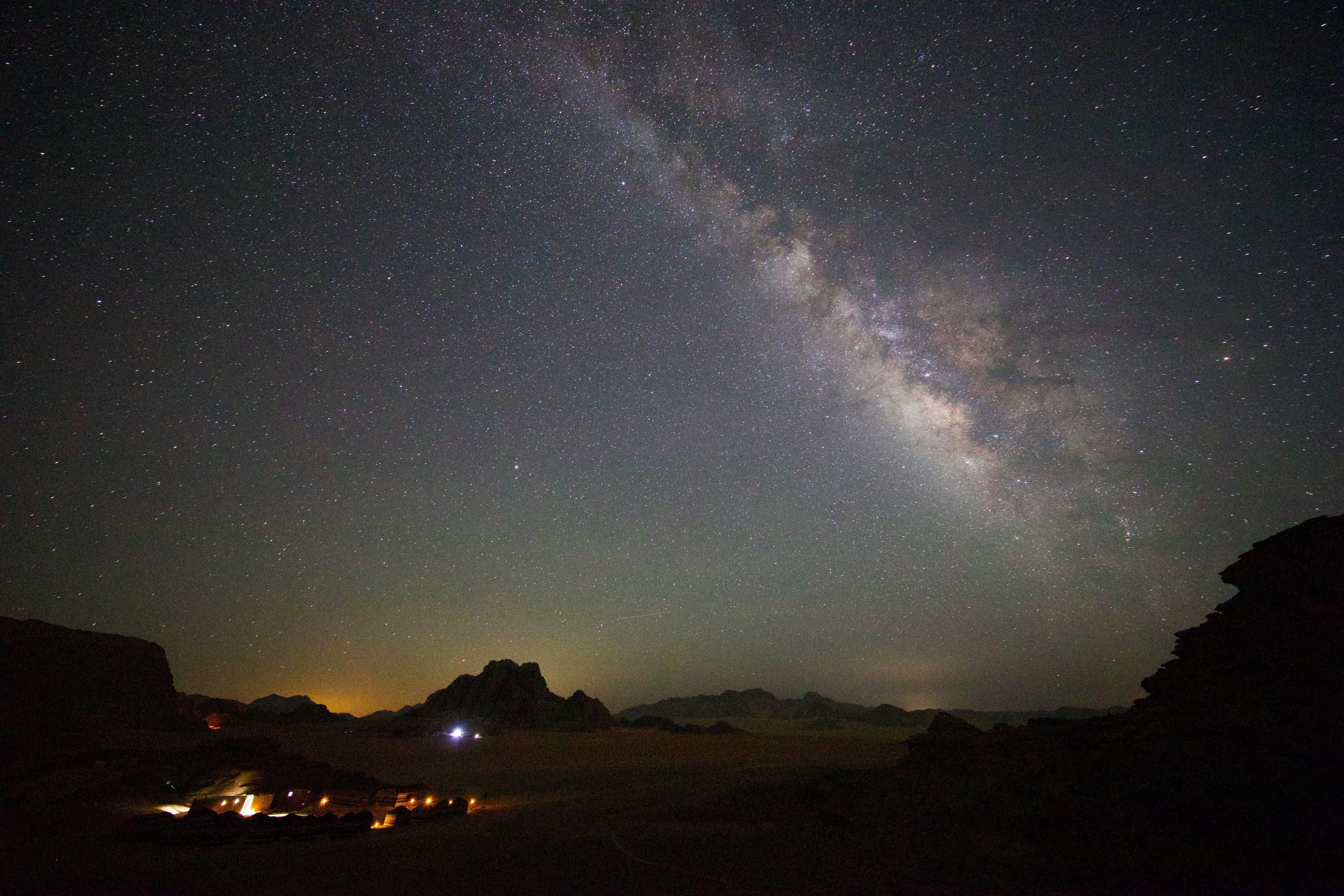
It has one of the clearest night skies on Earth so you can see stars and the Milky Way.
Where to go in Chile? The best places to visit
Some of the best places to visit in Chile are spread across very different regions, which means your route matters more than how many stops you add. From our experience, choosing a mix of desert, cities and national parks gives you a much stronger trip than trying to fit everything in.
San Pedro de Atacama and the Atacama Desert
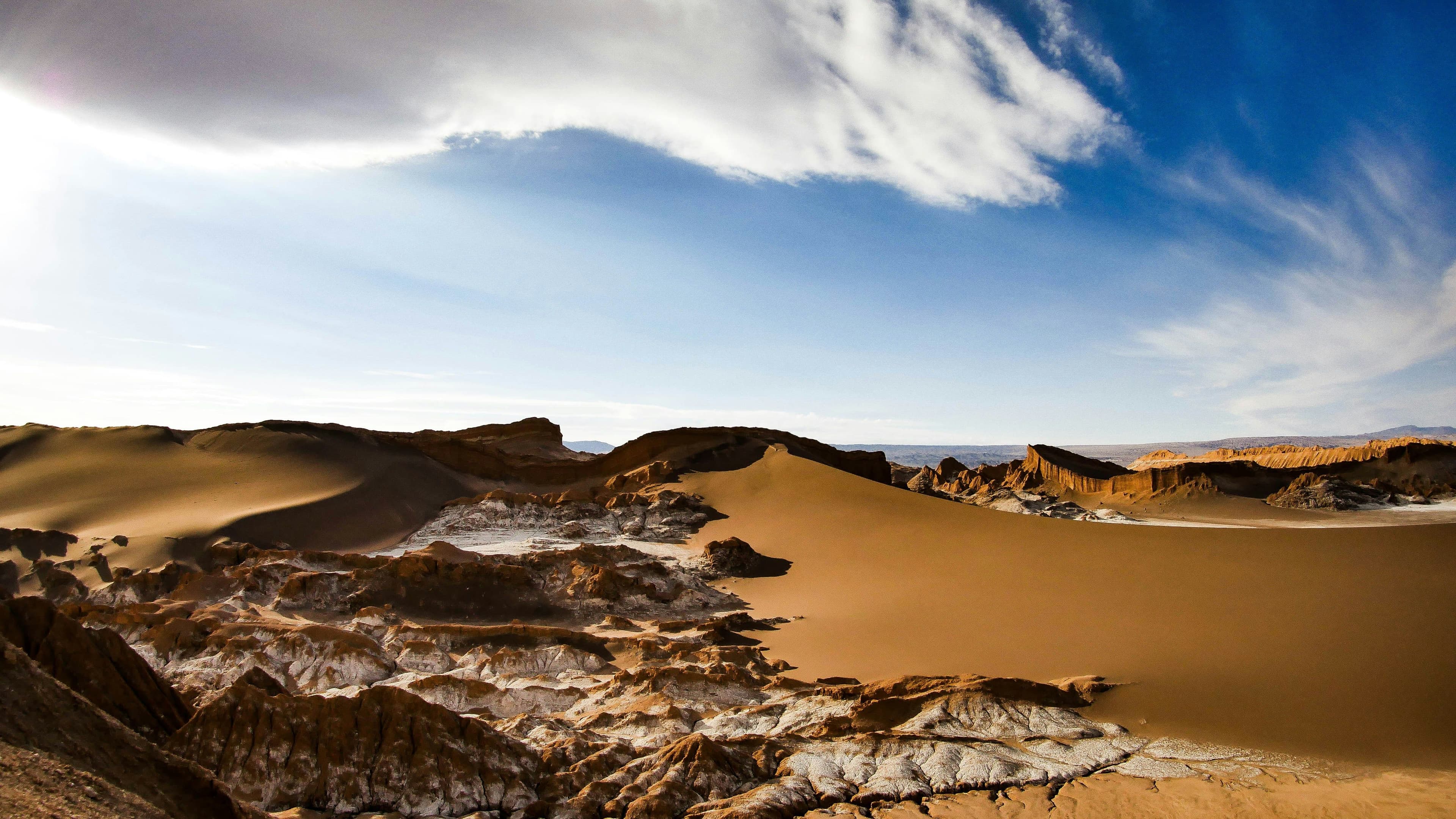
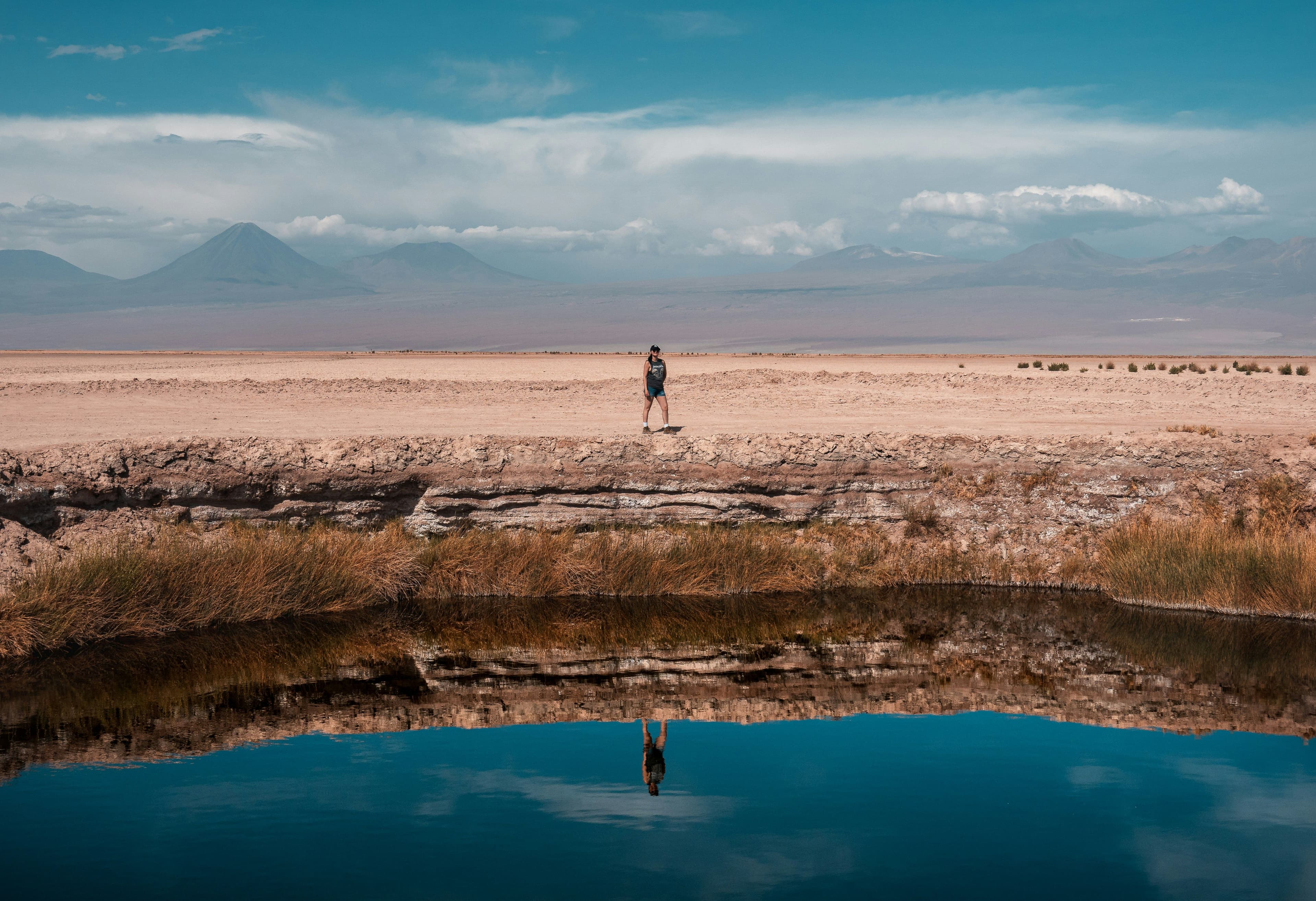
Out in the north, the Atacama Desert gives you landscapes that shift every single day, from salt flats to high-altitude lagoons and steaming geysers. Around San Pedro de Atacama, you can take a short drive to places like Valle de la Luna, El Tatio and Laguna Chaxa, each with completely different surroundings. Valle de la Luna brings dry, moon-like rock formations, El Tatio has beautiful steaming geysers at sunrise, and you can see flamingos in Laguna Chaxa. Sunrise at the geysers or sunset over the desert will become one of the moments you’ll remember most from your trip. At night, stargazing tours take you far away from artificial light, where the sky turns incredibly clear and you can see the Milky Way!
Santiago and the Central Valley
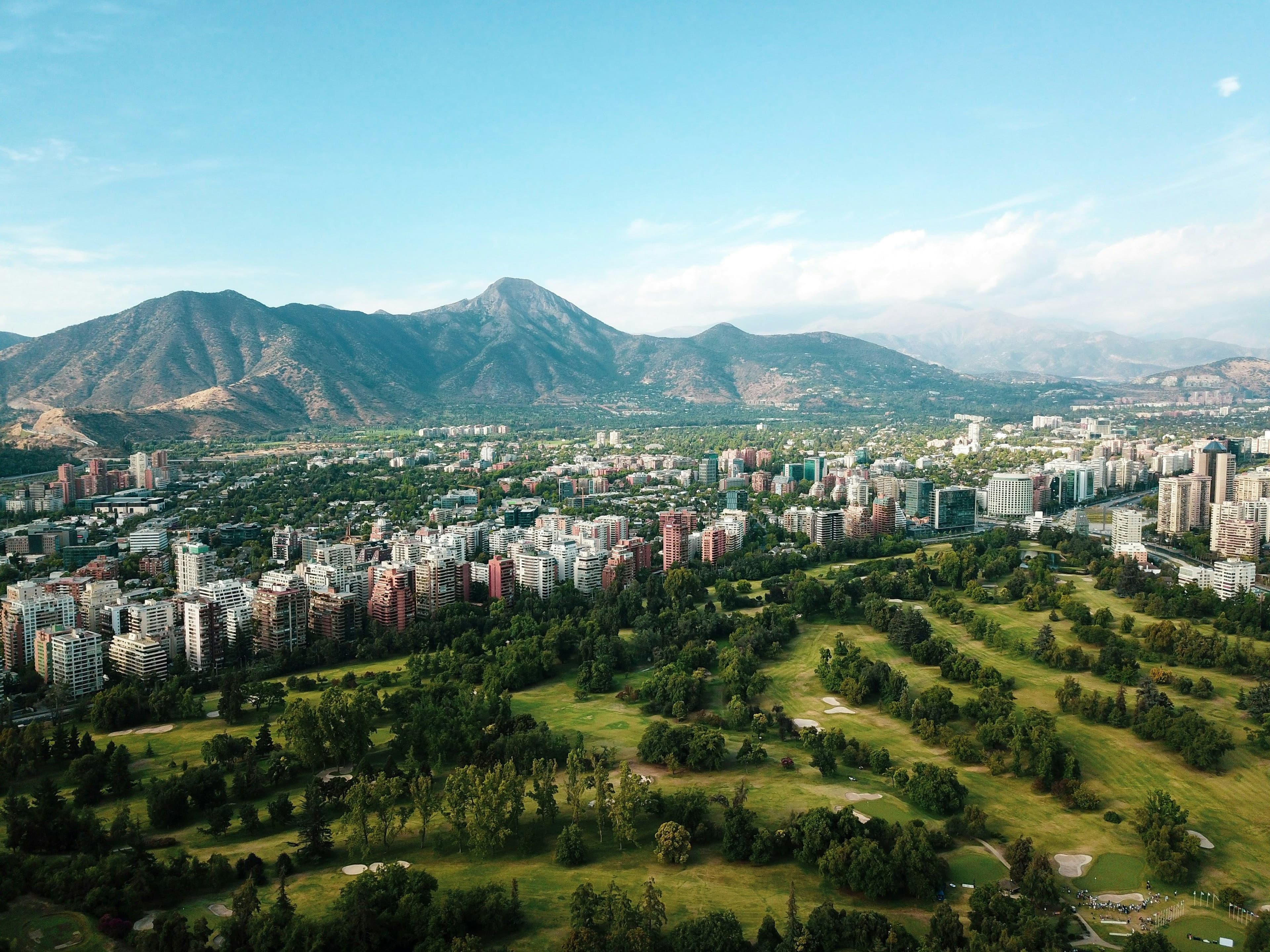
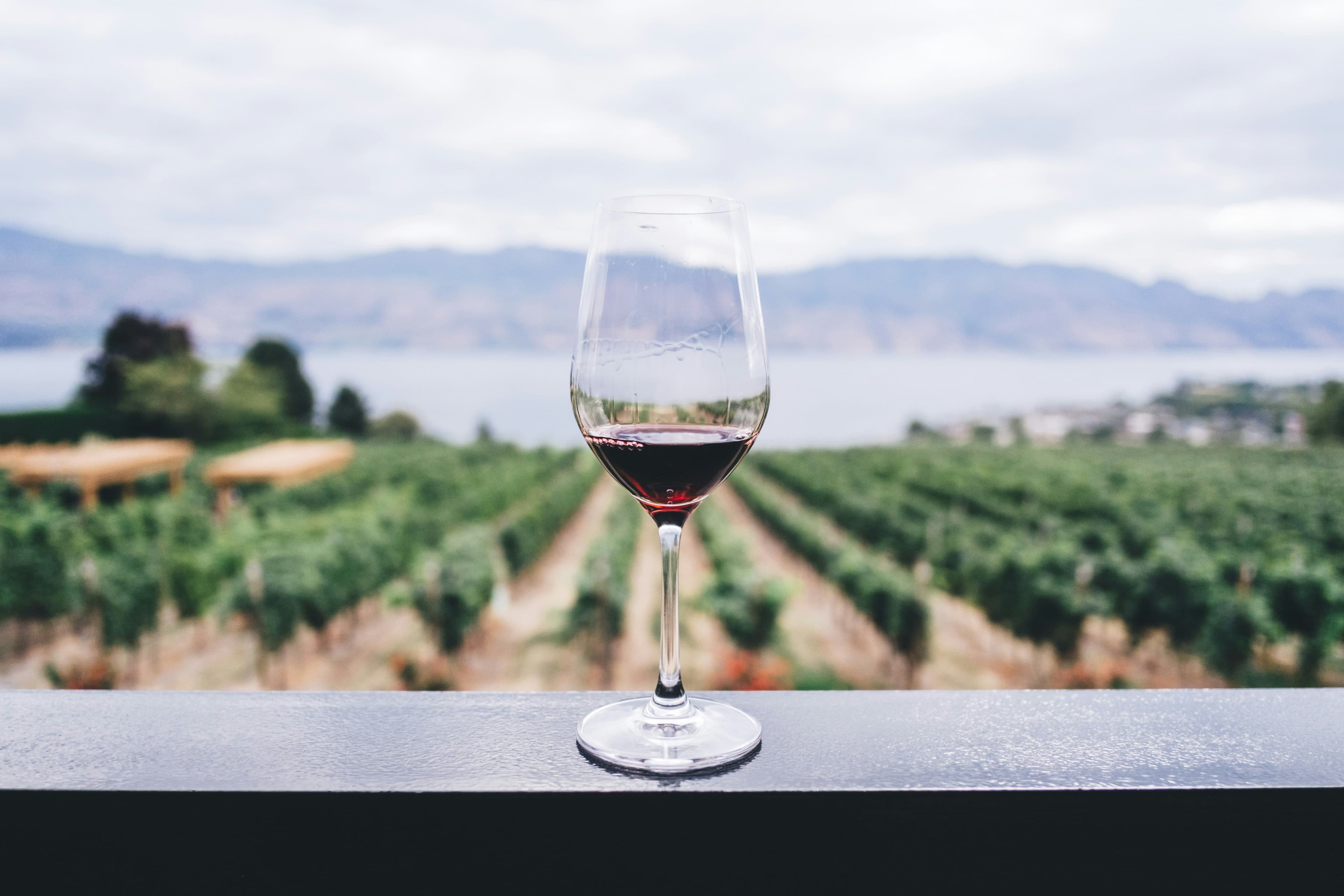
In the centre of the country, Santiago works well as the starting point for your trip, with viewpoints, food spots and local neighbourhoods that give you a first impression of Chile. Just outside the city, the Central Valley has vineyards where you can spend a full day tasting local wines and enjoying lunches. We recommend adding a short drive towards the Andes, where you can reach mountain viewpoints and hiking areas within a couple of hours. A couple of days here can help you break up long travel distances before heading further north or south.
Valparaíso and the Pacific coast
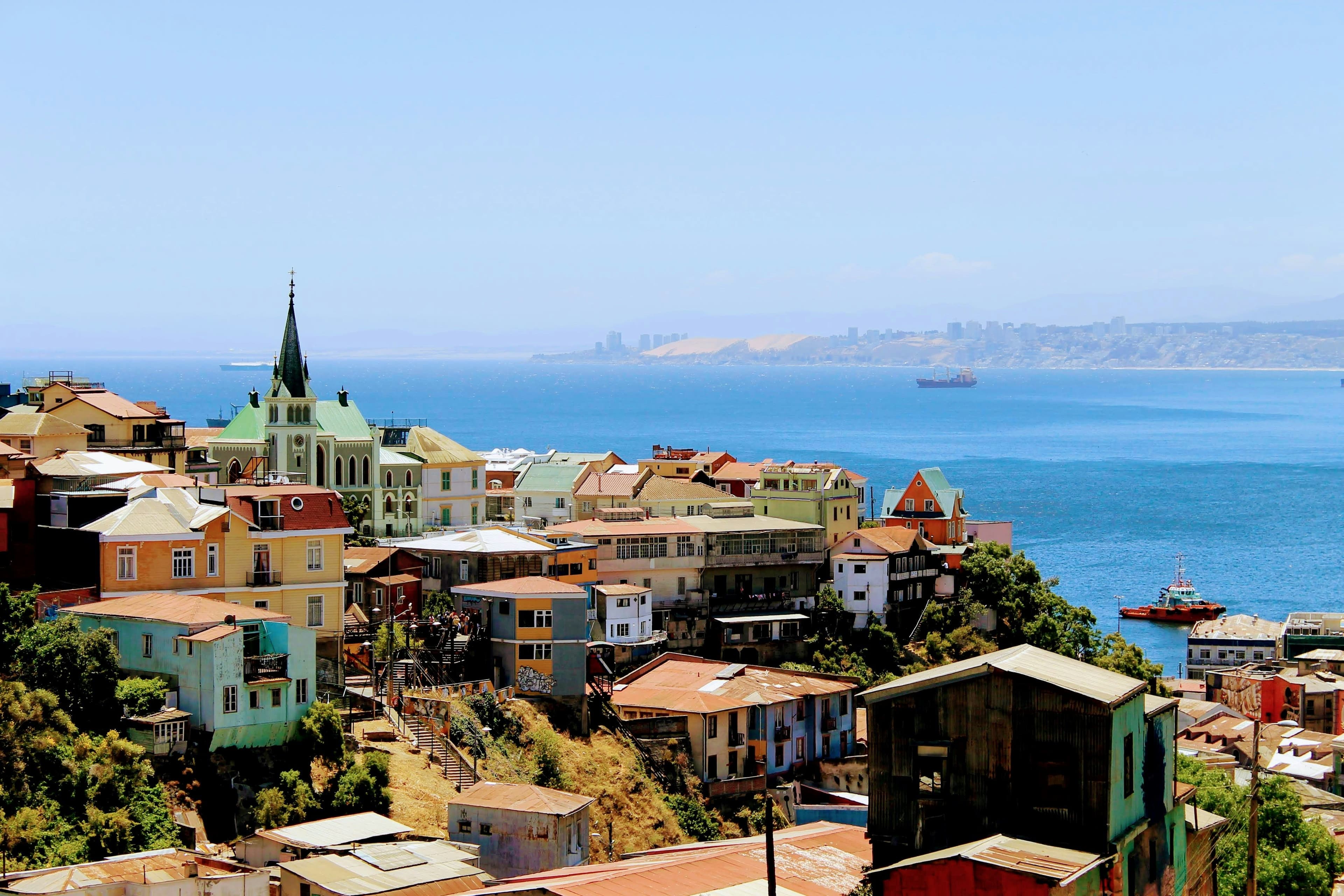
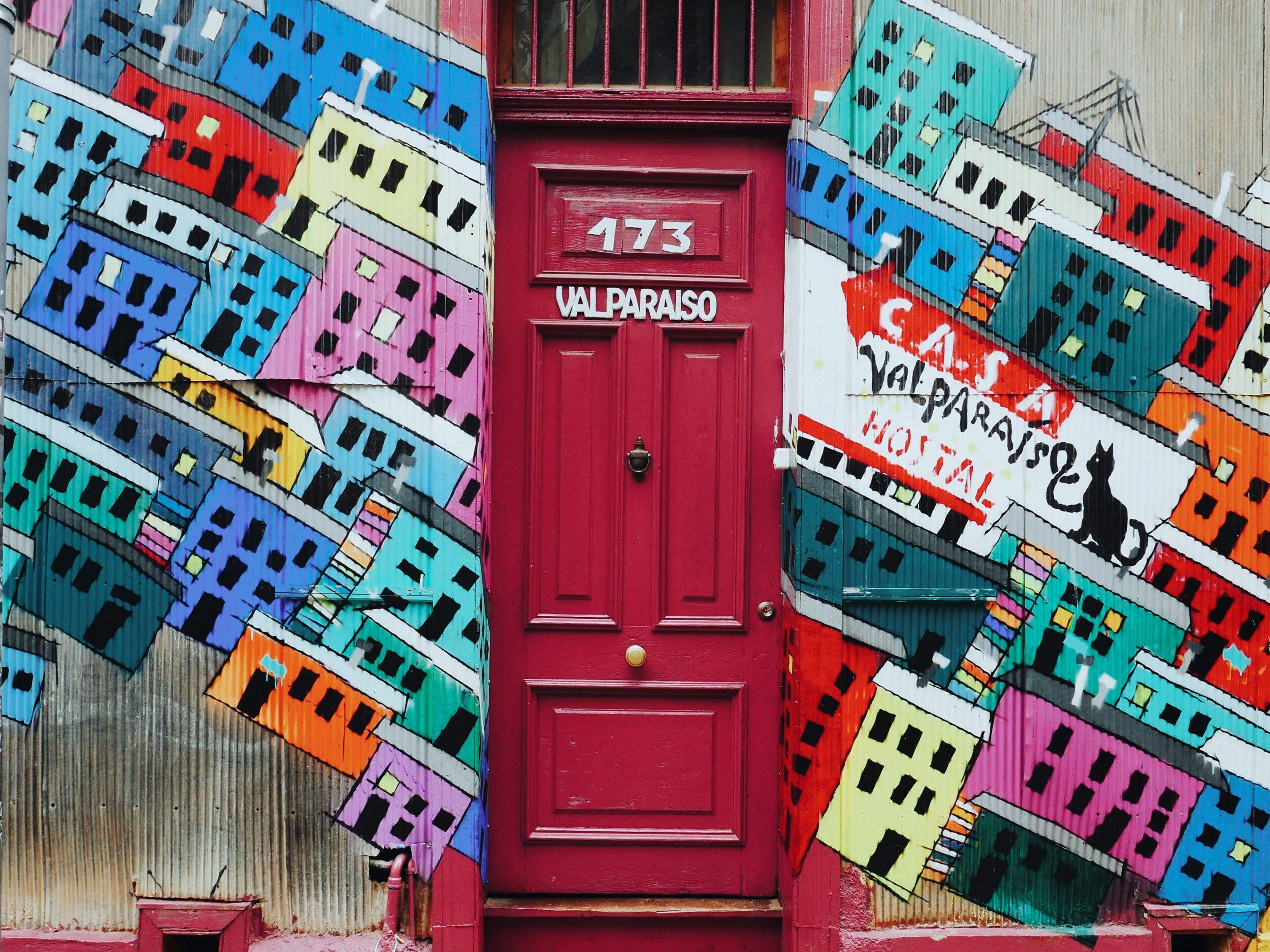
Along the coast, you can explore Valparaíso with its colourful hills, steep staircases and large murals spread across the city. The streets are filled with street art, viewpoints and old lifts that connect different neighbourhoods. We recommend staying at least one night, so you have more time to explore different areas beyond the main viewpoints.
The Chilean Lake District
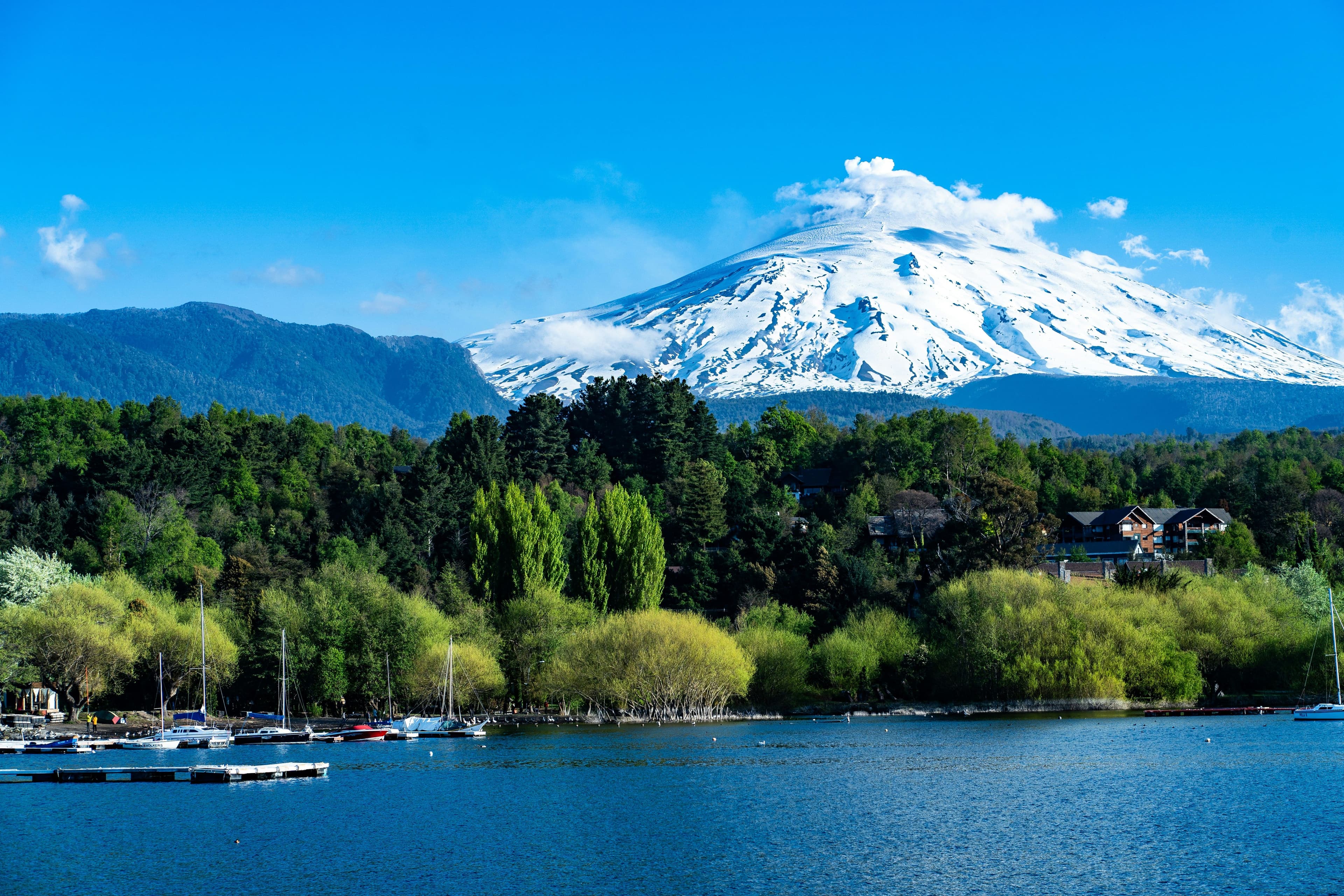
Further south, the Chilean Lake District brings forests, volcanoes and lakes into your route, creating a completely different setting compared to the north. Around Puerto Montt and nearby towns like Pucón, you can go hiking, take boat trips or visit national parks with views of snow-covered peaks. Outdoor activities are the main focus here, with options that range from relaxed walks to more active days around volcano areas.
Patagonia and Torres del Paine National Park
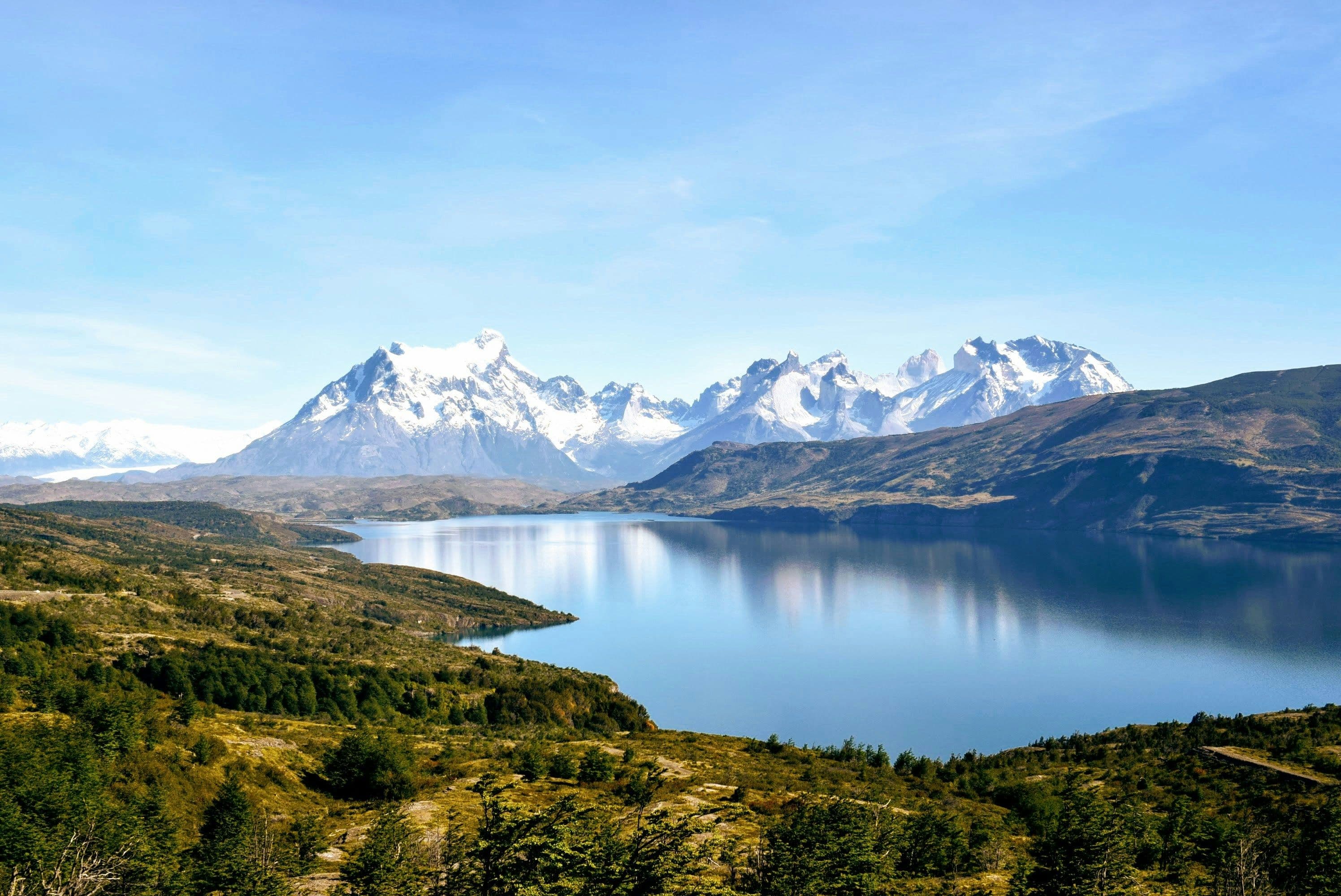
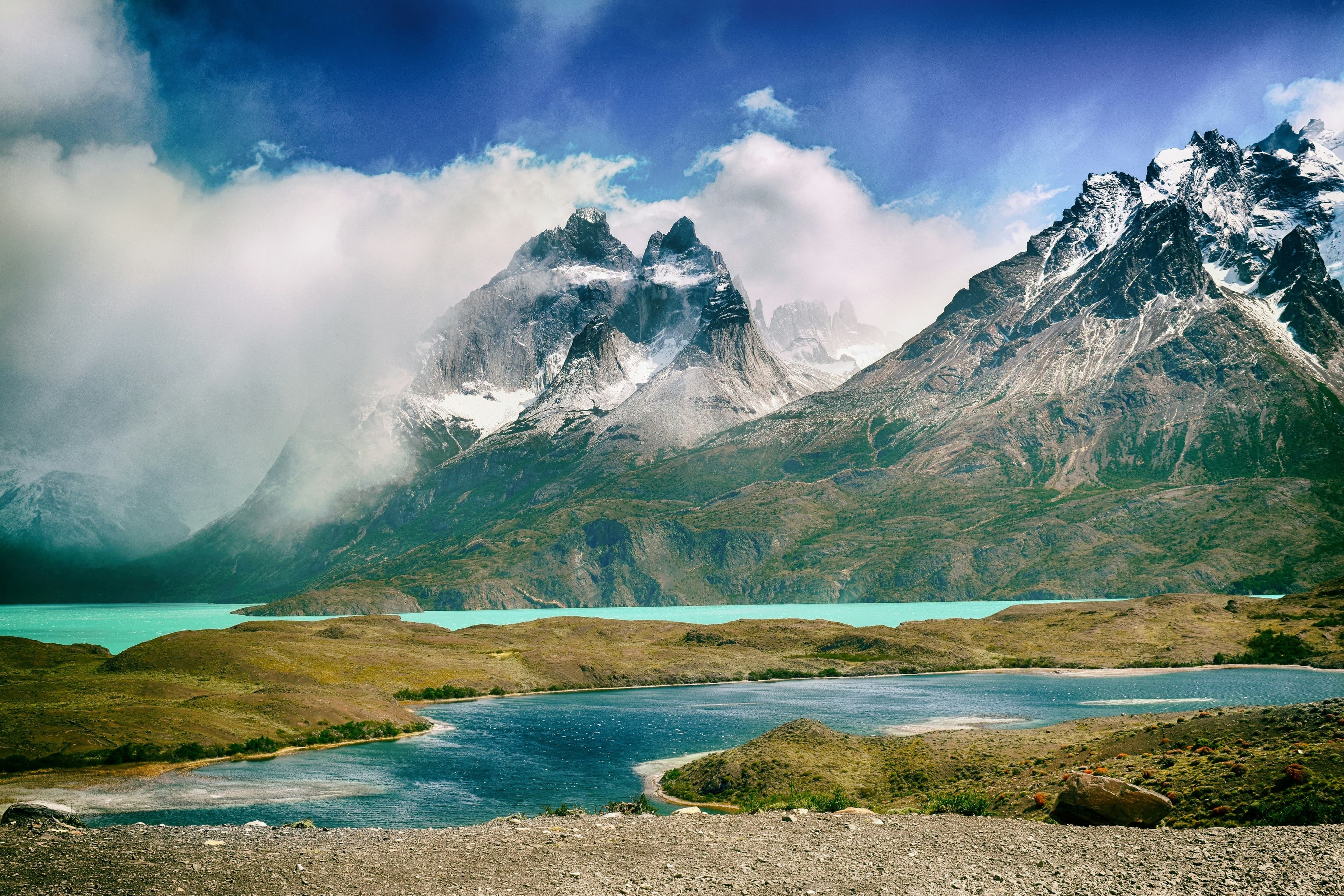
Down in the south, Torres del Paine National Park is one of the most recognised areas in Chile. From Puerto Natales, you can take day trips into the park or stay inside to access hiking trails like the W Trek. Granite peaks rise sharply above bright blue glacier lakes, with wide valleys opening up between them. You can choose longer hikes or shorter walks here, depending on how much time you have.
Easter Island
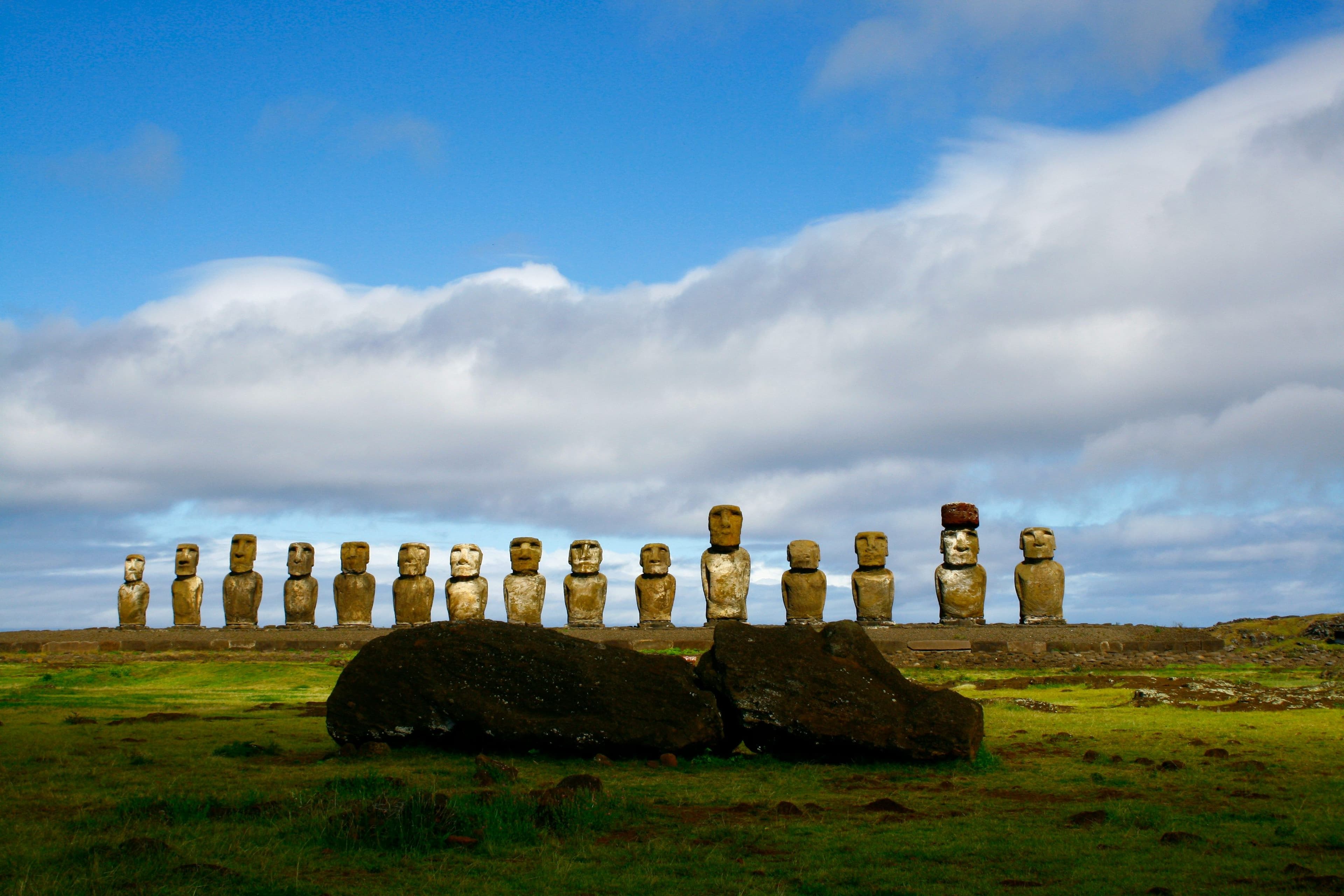
Far out in the Pacific, you can reach Easter Island, where rows of Moai statues stand along the coastline and across open fields. You can explore sites like Ahu Tongariki and Rano Raraku by car, bike or guided tour, with each location showing a different part of the island’s history. Polynesian traditions, archaeological remains and wide open views make this destination very different from mainland Chile. We recommend staying at least two to three days.
Tierra del Fuego and the far south
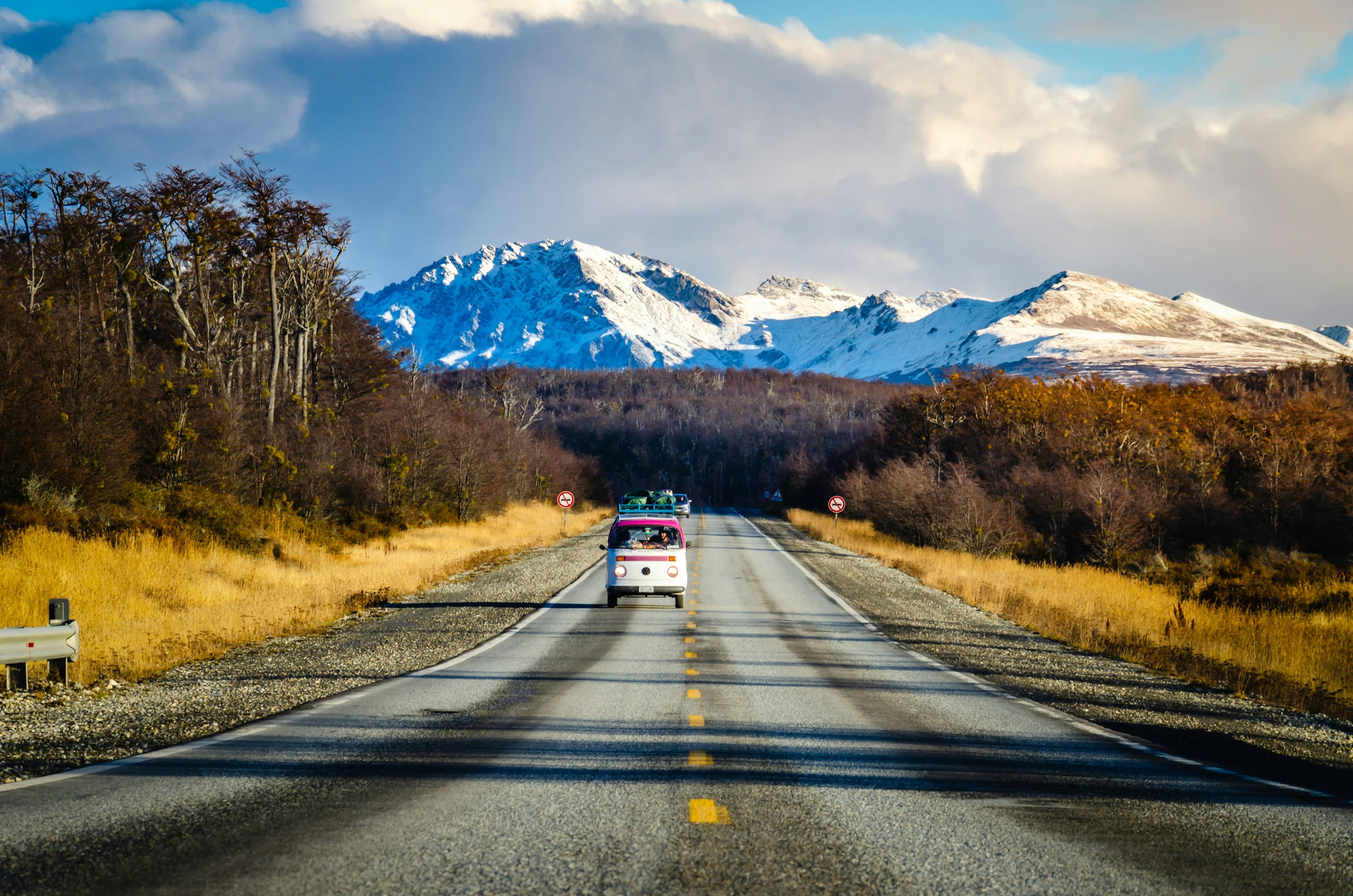
At the southern edge of the continent, you can reach Tierra del Fuego, where long roads lead through wide open areas with barely any towns along the way. You can drive for hours, stop for coastal views and spot wildlife along the way, with stretches of road where you won’t see many others. We recommend adding this only if you have extra time, as it sits further south and requires more travel to include it properly.
Chile itinerary ideas
We’ve put together a few Chile itineraries that connect the best places in a logical way, so you’re not spending your days moving between stops. Let’s take a look at what fits your time and how you can combine these places into a smooth trip.
Chile itinerary 2 weeks: north to south
Day 1 to 2: Santiago, explore neighbourhoods, viewpoints and food spots
Day 3: Valparaíso as a day trip or overnight stay
Day 4 to 6: Fly north to the Atacama Desert, base yourself in San Pedro
Day 7: Travel day back via Santiago
Day 8 to 11: Fly south to Patagonia, stay in Puerto Natales and visit Torres del Paine
Day 12 to 14: Return to Santiago, optional wine day in the Central Valley
This route gives you strong contrasts without overloading your schedule.
Chile itinerary 3 weeks: north to south
Day 1 to 3: Santiago and Valparaíso
Day 4 to 7: Atacama Desert, including San Pedro and surrounding areas
Day 8: Travel back to Santiago
Day 9 to 12: Chilean Lake District, including Puerto Montt and nearby towns
Day 13: Travel south
Day 14 to 18: Patagonia, stay in Puerto Natales and explore Torres del Paine
Day 19 to 21: Extra days for flexibility, rest or adding Tierra del Fuego
Looking for more inspiration? Explore these trips:
How to choose the right route for your trip
You might have noticed that Chile is too long to just connect everything in one go. A better approach is to pick the regions that match what you enjoy most, and then connect those into a route that actually makes sense.
Go for the north if you like unique landscapes
Up in the north, everything feels completely different from what you might expect, with salt flats, lagoons and wide open desert views all within reach of one base. Days here usually start early and end with sunsets or stargazing, which gives your trip a very distinct flow. You’ll quickly notice how easy it is to fill multiple days here without ever feeling like you’re repeating anything.
Choose central Chile when you want variety without long travel days
Around Santiago, everything sits closer together, which makes this part of Chile feel much easier to explore without constantly being on the move. One day you’re in the city, the next you’re by the coast or sitting at a vineyard. You get a bit of everything here, which is exactly why this region works so well at the start or end of your trip.
Visit the south for hiking and iconic nature
Down south, your days start to revolve around being outside, with hikes, viewpoints and longer day trips. The weather here can shift quickly, so it’s best to stay flexible. You’ll want to give yourself a bit more time here, simply because this is where many of the most memorable moments happen.
Add Easter Island if you want something completely different
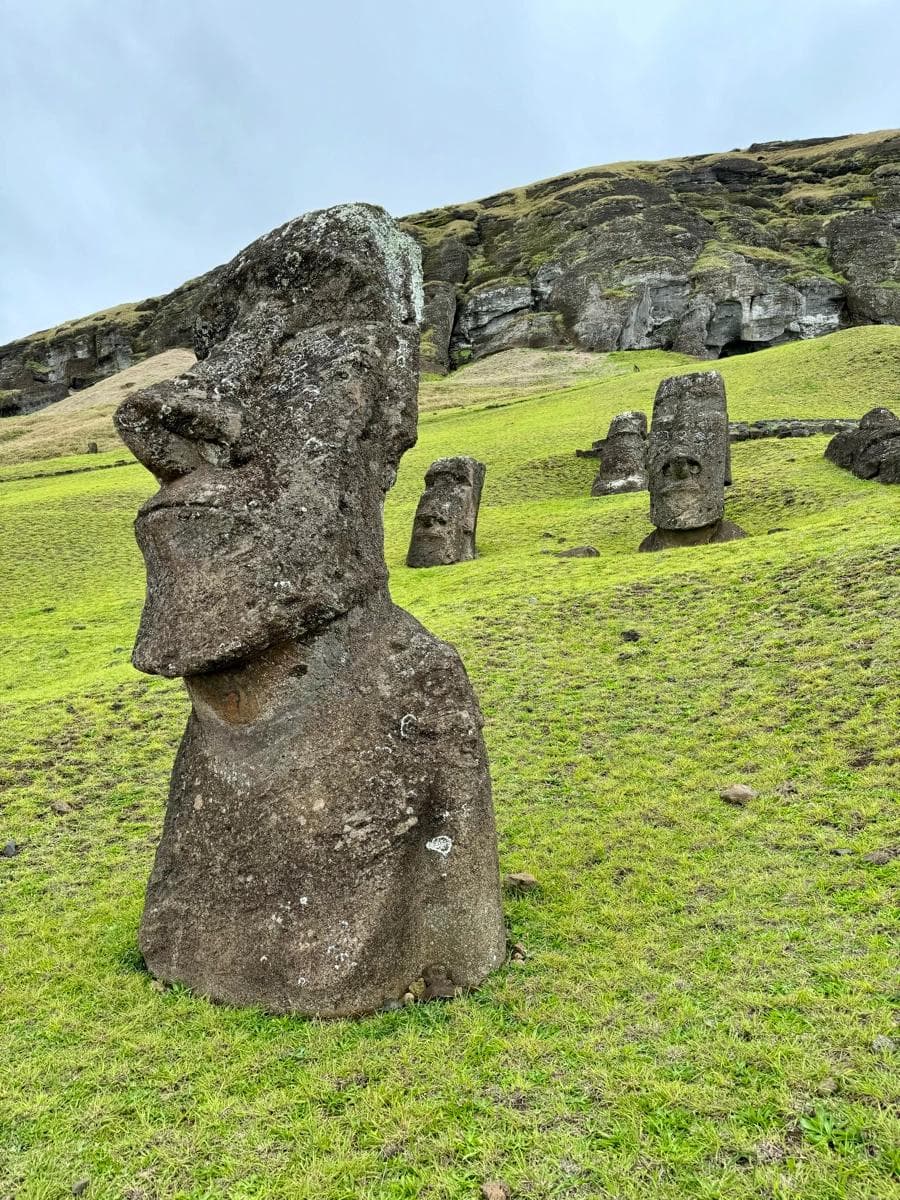
Far out in the ocean, this part of Chile already feels like a completely different trip before you even arrive. You will spend your days driving between archaeological sites like Rano Raraku, where the Moai were carved, and Ahu Tongariki, where rows of statues stand facing inland, with the ocean right behind them. Along the way, you’ll pass volcanic craters, wild coastline and open land with barely any buildings, which makes the island feel completely separate from mainland Chile.
What to do in Chile? Fun experiences across the country
From our experience, picking a few clear highlights per area makes it much easier to decide what to do in Chile. Let’s take a look at what there is to do in Chile:
Go stargazing in the Atacama Desert
Up here, the sky looks completely different from what you are used to, with thousands of stars visible at once. Around the Atacama Desert, night tours take you far away from any light, where guides explain constellations and planets in a simple way. We recommend booking a guided stargazing tour instead of going on your own, since you will understand much more of what you are seeing.
Explore geysers, salt flats and lagoons near San Pedro de Atacama
You can visit steaming geysers, high-altitude lagoons and wide salt flats that all look completely different from each other. Some drives are long, though the changing surroundings keep things interesting the entire time. We recommend spacing these tours out with a slower day in between, so it doesn’t all blur together.
Hike in Torres del Paine National Park
You will find massive granite peaks, bright blue lakes and long valleys in Torres del Paine National Park. Even short hikes already give you impressive views. Around Puerto Natales, you can go on multi-day hikes like the W Trek. We recommend planning one main hike and leaving space for a second, depending on how your days turn out.
Take a wine day trip in the Central Valley
Just outside Santiago, vineyard areas open up into rolling hills where tastings and long lunches take over your day. In the Central Valley, you get a completely different side of Chile compared to the north or south, with more focus on food and slower moments. A short trip already gives you a good impression without needing to stay overnight.
Walk through Valparaíso for street art and viewpoints
Steep streets, colourful houses and large murals give this city a completely different look from anywhere else in Chile. Around different neighbourhoods, viewpoints and hidden staircases keep popping up, which makes exploring here surprisingly fun. Time passes quickly as you move between hills, small cafés and viewpoints over the ocean.
Drive part of the Carretera Austral
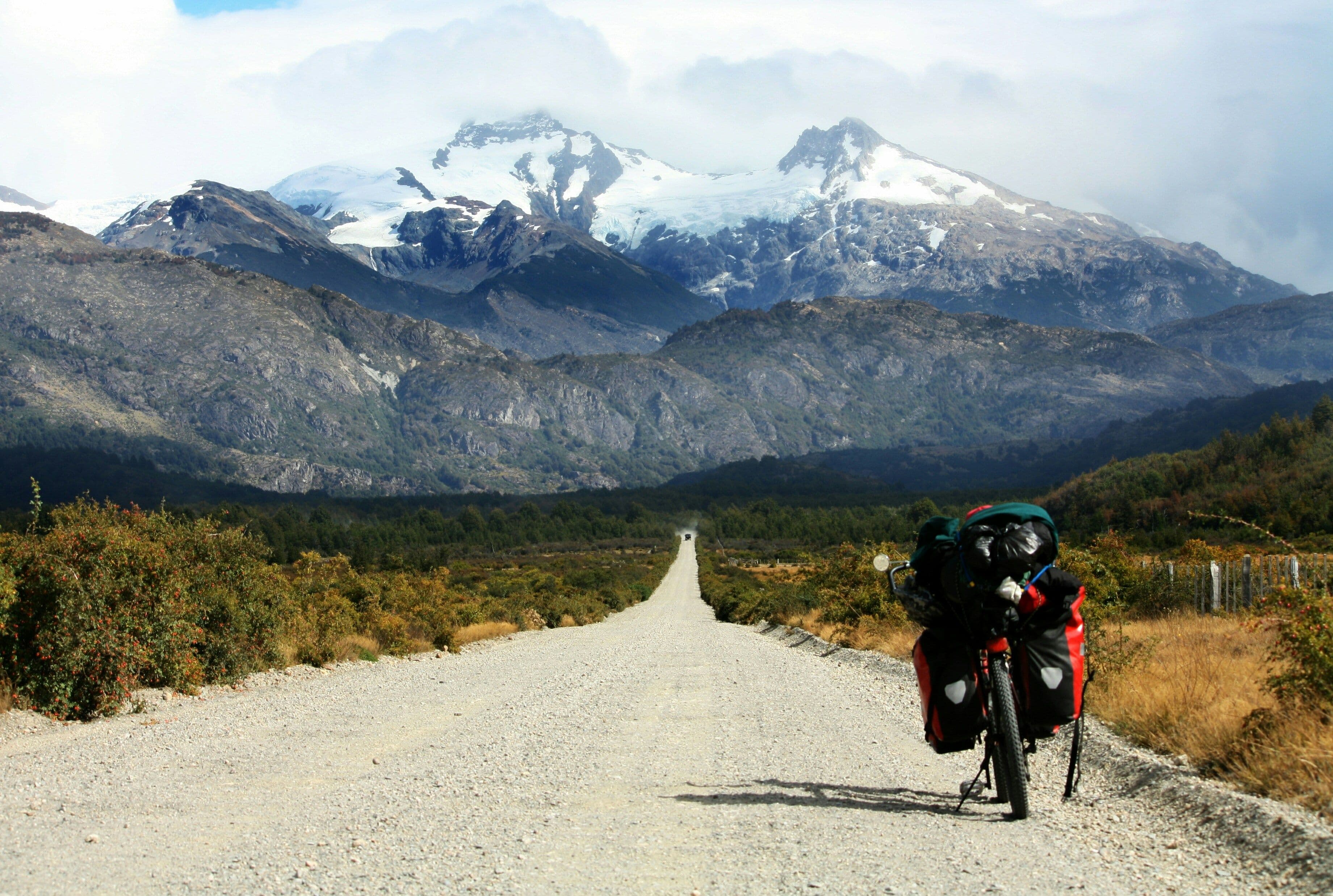
Remote roads, mountain views and ferry crossings turn this route into one of the most memorable parts of a longer trip. Not everyone drives the full route, though even a short section already gives you a nice impression of the area. From our experience, it’s best to rent a car here only if you feel comfortable with longer drives and limited facilities along the way.
What month is best for travelling through Chile?
Different regions work best in different months, so timing your trip depends on where you want to go first.
November to March: best for Patagonia and hiking conditions
Year-round: the Atacama Desert works in most months
Spring and autumn: good mix of weather and quieter travel periods
June to August: winter season, useful for ski trips and northern regions
Trying to figure out the right timing for your trip? Our blog about the best time to visit Chile shows you exactly when to go depending on your route and priorities.

Did you know you can create your own itinerary?
Now that you have a better idea of the places to see in chile and things to do there, you can start creating your own trip. Do you want to travel from north to south, or would you rather spend more time in one area and really get to know it? It’s all up to you. You can easily create your own trip in the Guided app for free, or use trips shared by others.
Where to stay in Chile
Picking the right bases early on makes your holiday in Chile way smoother. So let’s look at what actually suits you best.
Stay in Santiago for your first nights
After you land, a few nights in Santiago just helps you arrive properly instead of jumping straight into the next flight or bus. Around the city, you’ve got enough to explore.
Stay in San Pedro de Atacama for desert tours
Up north, everything really revolves around this one small town when you’re visiting the Atacama Desert. Between your day trips, there’s just enough going on to relax and reset a bit. We recommend booking your stay in advance here, because options are more limited than you might expect.
Stay in Valparaíso for coast and character
Along the coast, this is where things start to look completely different from Santiago. Moving through the hills, you’ll notice how each area has its own look, with viewpoints and little streets popping up everywhere.
Stay in Puerto Natales for Patagonia
Down south, this is where most trips into Torres del Paine start. Everything is set up around getting you into the park, either for day trips or longer hikes. A couple of extra nights here gives you space in case plans need to shift a bit.
Stay in the Lake District for a nature-focused stop
Somewhere in the middle of your trip, this region gives you a completely different side of Chile. Around Puerto Montt and nearby towns, things slow down a bit with lakes, volcano views and more time outside. Adding a few days here can break up the longer travel stretches really nicely.
Guided tip: Stick to one base per region, it keeps everything simple and gives you more actual time to explore instead of packing and moving all the time.
Food & drinks you’ll want to try in Chile
Across Chile, traditional dishes and drinks are simple, though they tell you a lot about the country. Some of the dishes below are worth adding to your list straight away:
Empanadas de pino
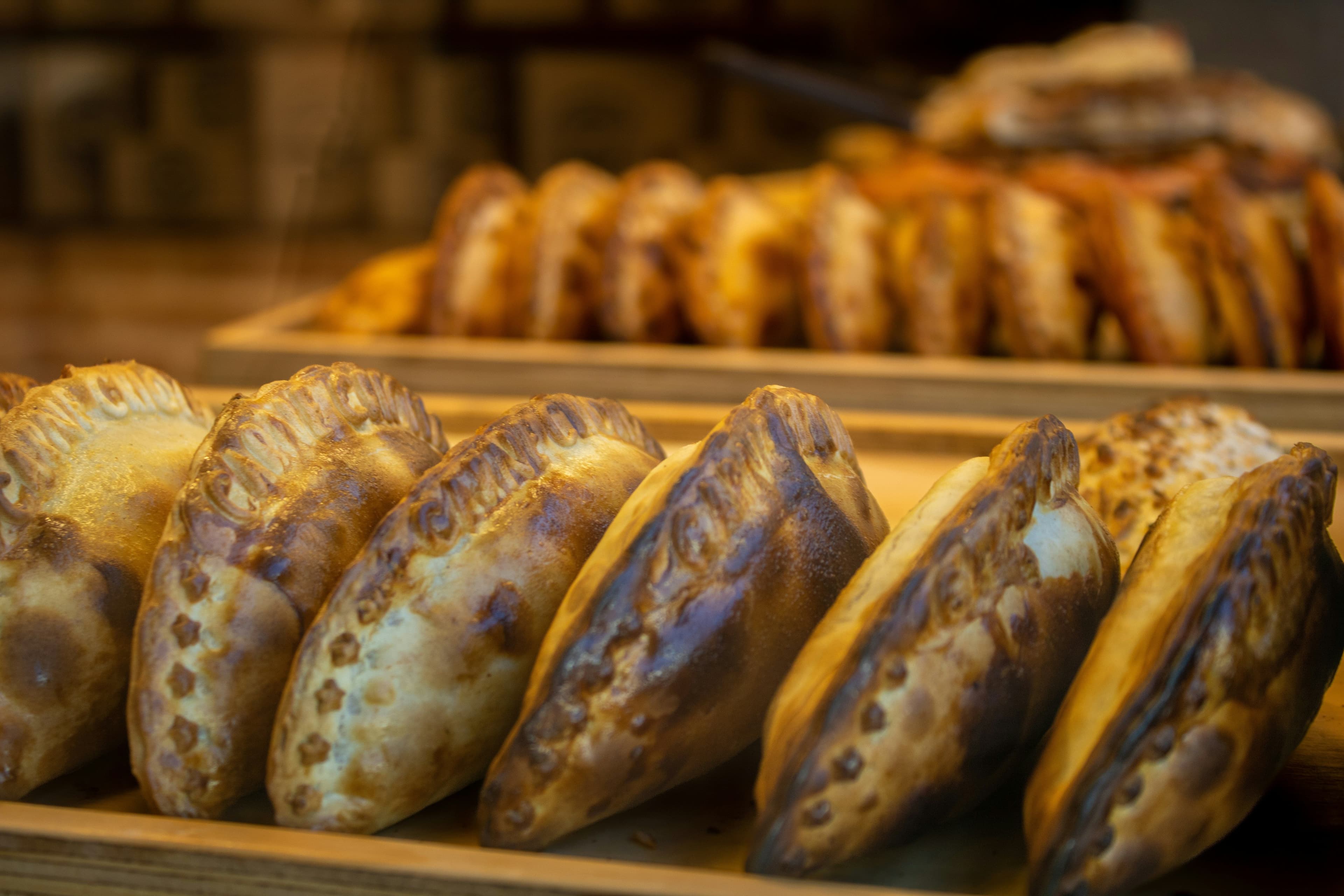
In many places, these pastries show up as a quick and filling option during the day. Inside, you’ll find a mix of meat, onion, egg and olives, which gives them a very recognisable flavour. Between activities, this works well as a simple lunch or snack.
Pastel de choclo
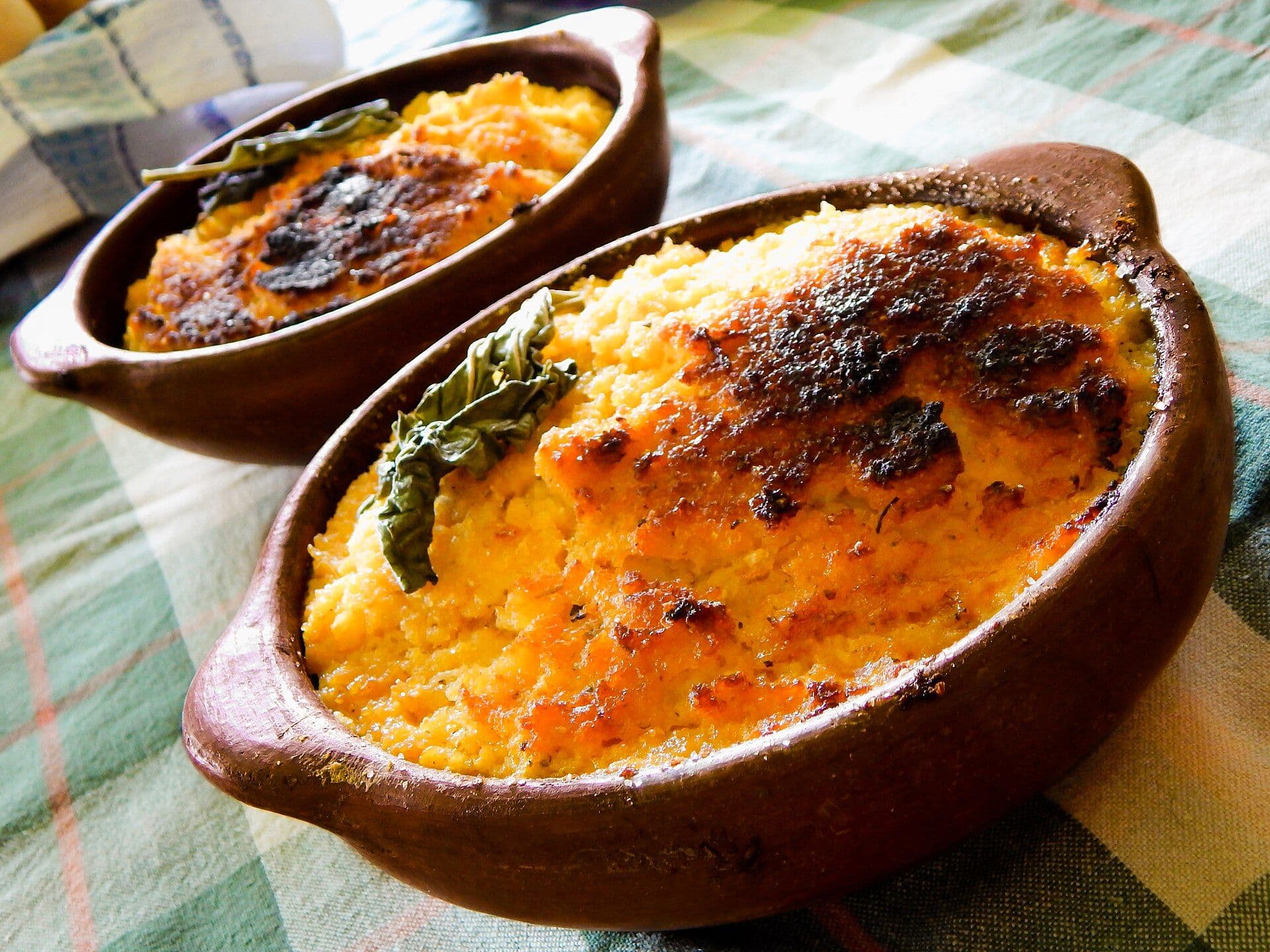
On many menus, this dish stands out because of its combination of sweet corn and savoury filling. Underneath the corn layer, you usually find meat, egg and olives, which creates a rich and filling meal. Portions tend to be quite generous, so you can easily share this with someone.
Seafood along the coast
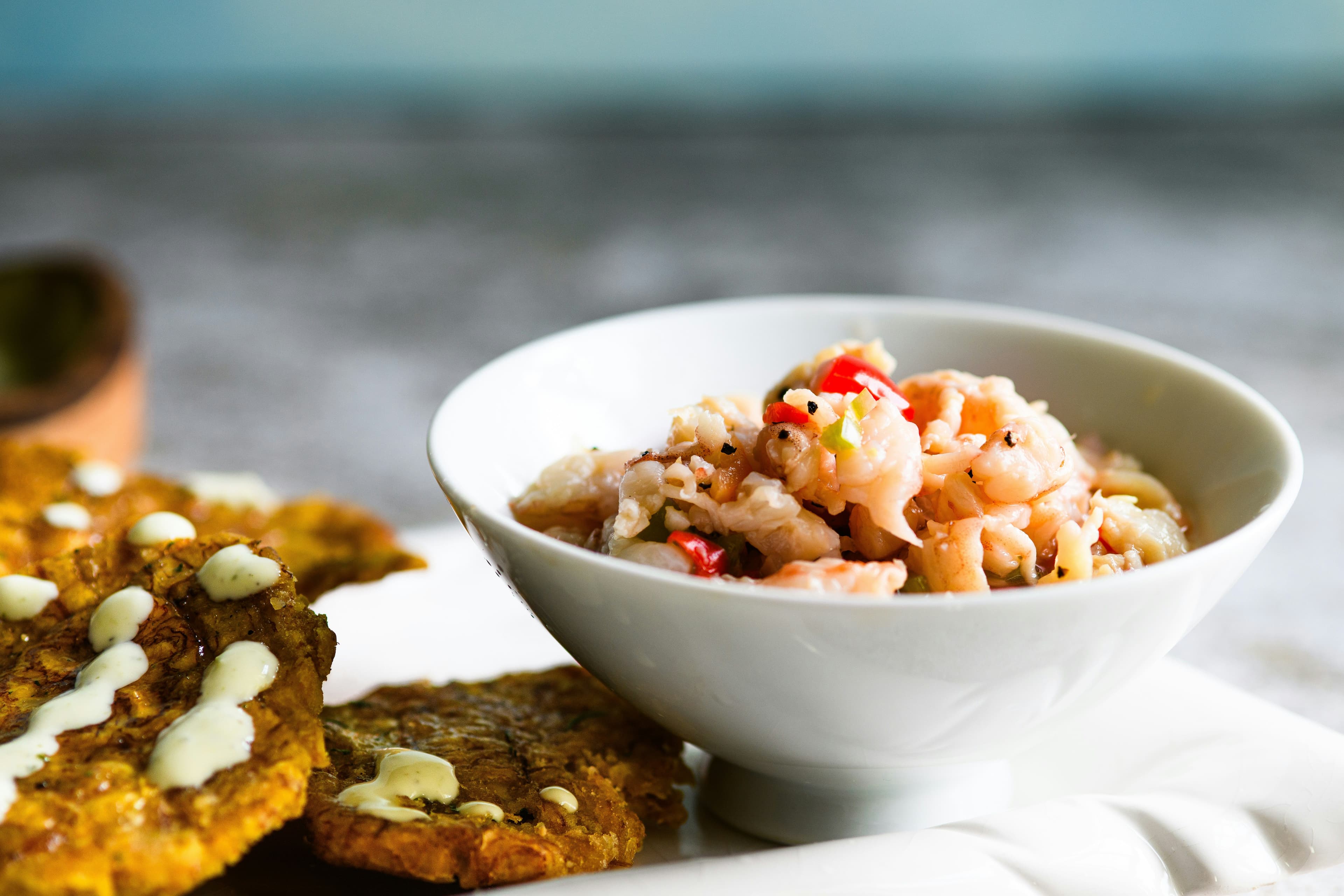
Along the coastline, you’ll see seafood on many menus. With dishes like ceviche and grilled fish, meals here are usually full of flavour.
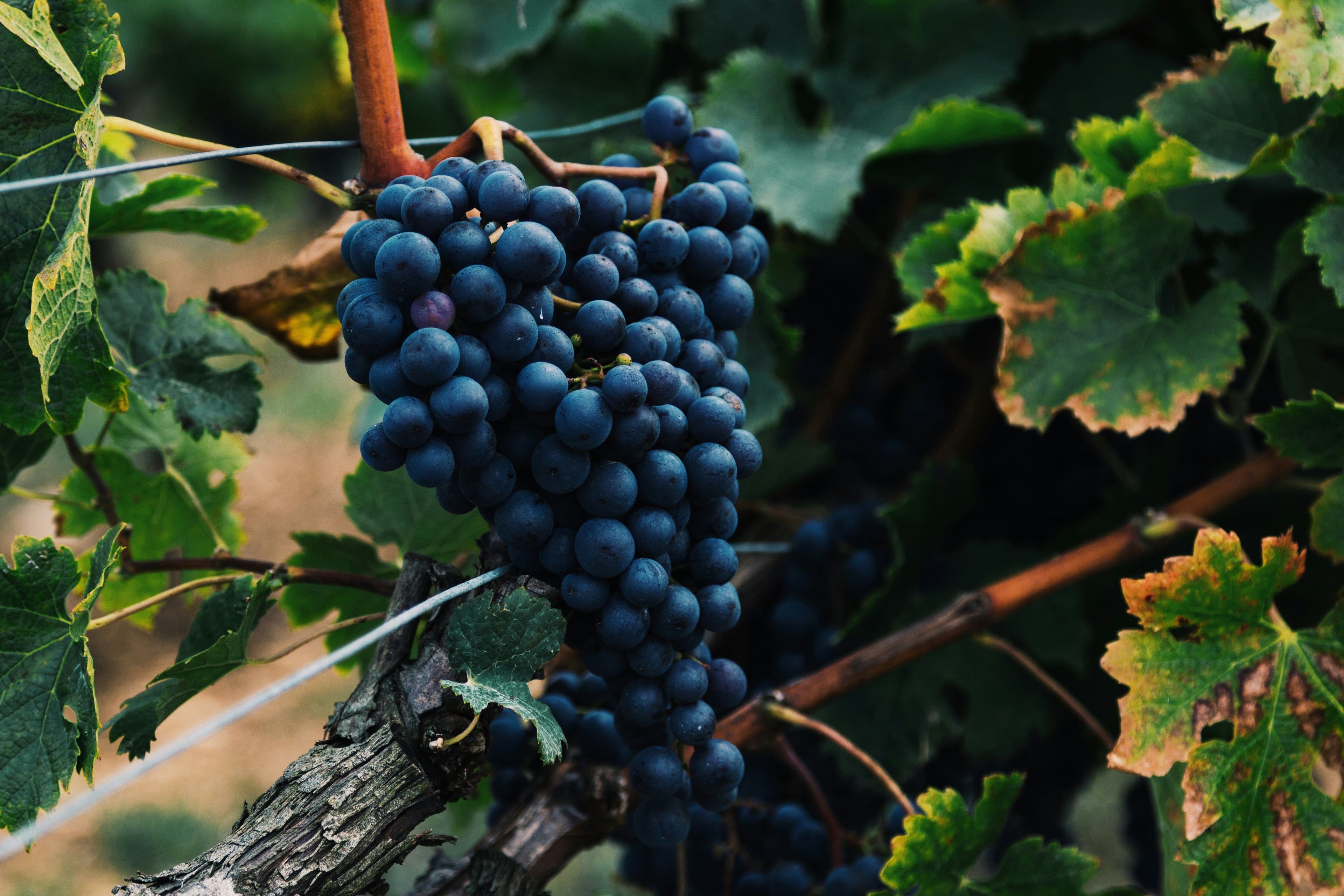
Chilean wine and a pisco sour
A pisco sour is one of the most common drinks you’ll come across during your trip. In social settings, drinks are just as much part of the experience as the food itself. In areas like the Central Valley, you can try it at local vineyards just outside Santiago.
Culture in Chile: how history still shows today
Not many people realise that Chile is one of the few countries where Indigenous Mapuche traditions were never fully replaced, but instead continued alongside Spanish influence for centuries. You can still notice this in everyday moments: the Spanish you hear in Chile sounds faster and more informal than in other countries, and words or expressions can change from one region to another.
Further south, daily life starts to look quite different again. In smaller towns, meals tend to be more traditional, with dishes like curanto, where seafood, meat and vegetables are cooked together, or fresh fish served straight from the coast. Each region keeps its own habits, which means you’re not just seeing different places, but also slightly different ways of living.
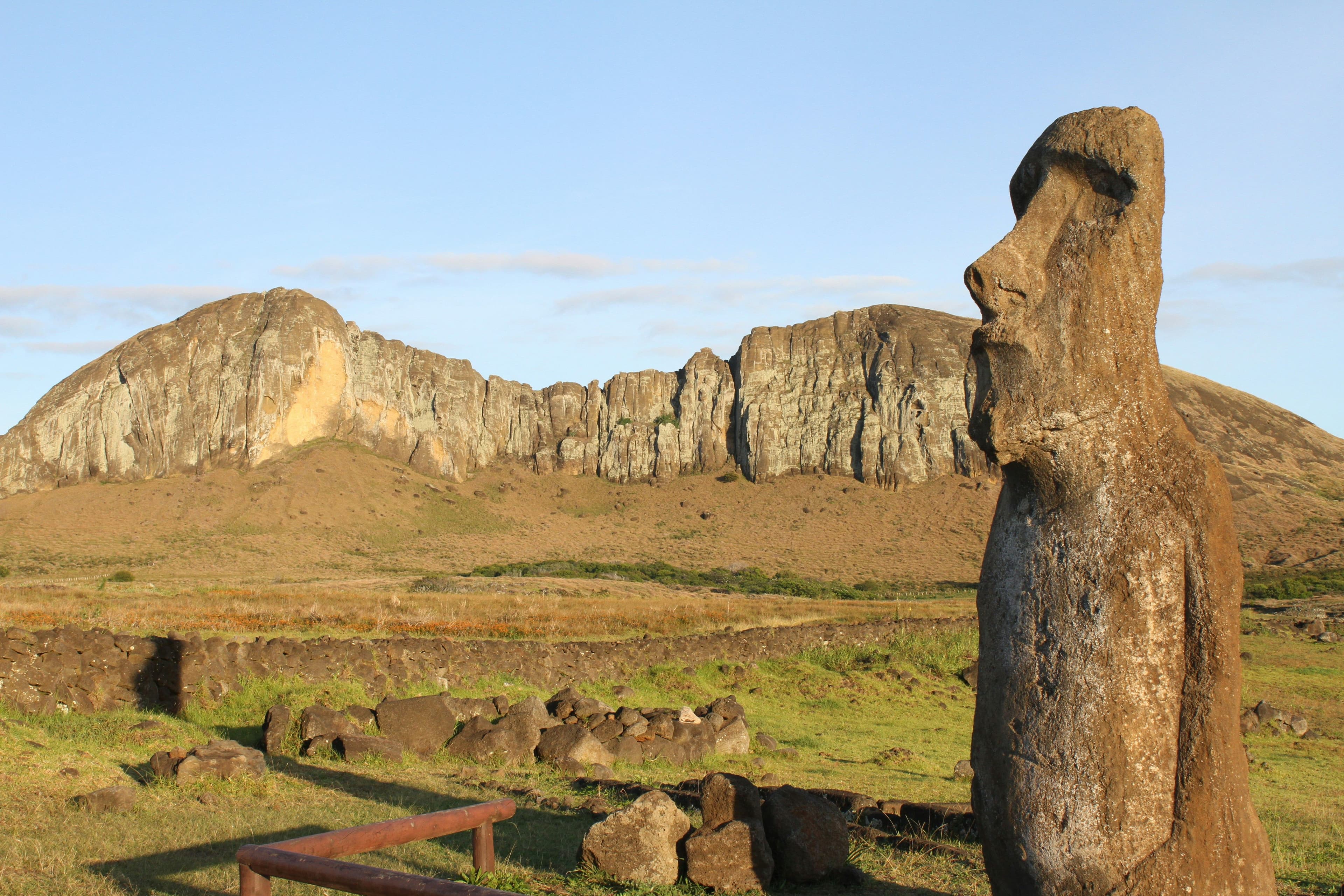
Out in the Pacific, Easter Island tells a completely different story. Did you know it lies more than 3,500 kilometres from mainland Chile, making it one of the most remote inhabited islands in the world? That distance already says a lot about why the culture here feels so different. Polynesian heritage shapes daily life, from traditional dances and language to the way stories are passed down through generations. The Moai statues are the most well-known part, which you will see when you visit Easter Island.
Planning your trip to Chile: tips from Guided travellers
From our experience, a clear plan early on makes travelling through Chile much easier and saves you from unnecessary travel days. We’ve gathered some tips from fellow Guided travellers.
How to get around Chile
At first, distances might not look too extreme on a map, though reality turns out quite different once you start planning your route.
✔ Take flights for long distances: Between regions like the north, Santiago and Patagonia, flying is usually the fastest option, since the country is very long and road travel can take days.
✔ Choose long-distance buses for regional travel: Across Chile, buses are one of the main ways to travel between cities, with comfortable seats and overnight options available. You can use platforms like Recorrido to compare routes and prices.
✔ Use public transport in Santiago: Within the capital, metro and buses are connected through one system using the bip! card, which works like a prepaid travel card.
✔ Rent a car for remote regions: In places like Patagonia, the lake district or parts of the north, having your own car gives you more control over your route. Most roads on main highways are in good condition, though remote areas can include gravel roads and long stretches without fuel stops.
✔ Taxis and ride apps in cities: In larger cities, you can use taxi apps like Uber, Cabify and Didi.
✔ Ferries in the south: In southern Chile, water routes are sometimes part of your journey, with ferries connecting remote areas and sections of Patagonia.
What you should know about distances and travel time
On the map, everything might look closer together than it actually is. In reality, moving from one region to another can easily take up most of your day, even when flying. If you add too many stops in a short time you will spend more time on the road than at your destination.
How long do you need in Chile
At first, it might seem tempting to include as many places as possible in your plan. In practice, focusing on one or two regions usually creates a much better experience. Around 10 to 14 days already gives you a nice trip to Chile, though if you go for 3 weeks you can explore and connect more regions.
Looking for more unique places, trips and activities?
Subscribe to our Guided Newsletter for more travel inspiration.
What does travelling through Chile cost?
When travelling through Chile, the costs can vary a lot depending on where you go and how you travel. Let’s take a look at the average prices for a trip to Chile.
Food & Drink

Coffee
2k – 4k CLP
Lunch
6k – 12k CLP
Beer
3k – 6k CLP
Accommodation

Hotels
60k – 150k CLP
Airbnb
50k – 120k CLP
Hostel dorm
15k – 30k CLP
Transport
Trains
5k – 20k CLP
Public Transport
0.7k – 1.2k CLP
Car Rental
40k – 90k CLP
Attractions

Museums
2k – 8k CLP
Big Attractions
10k – 50k CLP
Theatre
10k – 40k CLP
Make sure to take out cash in Santiago or other larger cities before heading to places like Patagonia, since ATMs can be limited or unavailable.
Fun facts about Chile
Chile is a country full of contrasts, so let’s see what makes it so unique:
Chile is one of the longest countries in the world from north to south
The Atacama Desert is considered one of the driest places on Earth
Chile has more than 2,000 volcanoes, with around 90 still considered active
You can travel from desert to glaciers within the same country
In Patagonia, wind speeds can reach over 100 km per hour on certain days
It is one of the top wine-producing countries globally
Some of these details will likely become part of your own trip along the way. Chile stands out in its own way, with days that keep changing between deserts, cities and Patagonia, each bringing something completely different. That constant contrast is what makes the country so interesting to explore, since no two parts of your trip look the same. So Chile is a great destination if you like variety, big changes in landscape and a journey that keeps surprising you from start to finish.
Ready to map out your trip to Chile?
We hope this Chile travel guide has given you a clear starting point for your trip. Stay tuned for more inspiration, itineraries and practical tips to help you shape your perfect trip to Chile. And don’t forget to check out our Guided app, where you can create your own trip or use trips shared by other travellers for free.
FAQS about travelling through Chile
- Where is Easter Island in Chile?
Far out in the Pacific Ocean, Easter Island sits around 3,700 kilometres from mainland Chile. Flights from Santiago connect the island, though travel time and cost mean it usually becomes a separate part of your trip. A few days are needed to explore the main sites and understand its background. We recommend only adding it if you have enough time.
- What is the language spoken in Chile?
- What is the capital city of Chile?
- What is the currency of Chile?
- How many days do you need in Chile?
- Is Chile easy to travel around?